Dibba Al-Fujairah, 500 mg as prescribed, 7 days, completed the prescribed course for a bacterial throat infection. He reported that the fever eased after several doses, but mild loose stools continued for two days and improved after treatment ended.
Bacterial infections of the respiratory, urinary, gastrointestinal, and other susceptible tissues may require treatment with a penicillin antibiotic. It stops bacterial cell-wall construction, which prevents the organisms from growing and surviving.
About this product
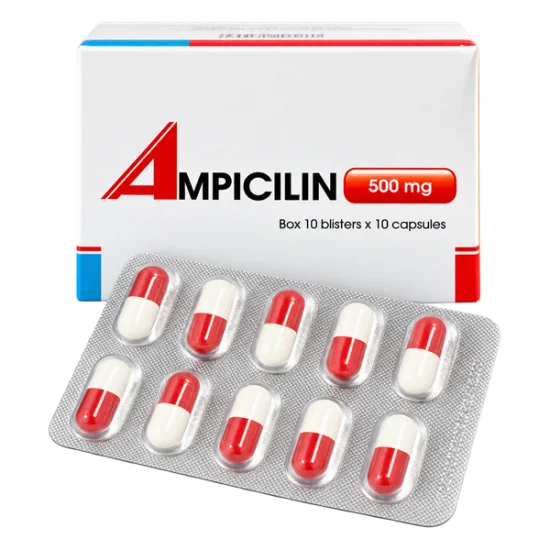
Ampicillin is a penicillin antibiotic. The product is supplied as capsules, with 10 blisters containing 10 capsules each. The amount taken at each intake is determined individually rather than being one fixed amount, based on the infection, age, body weight, renal function, and clinical response.
Pharmacological action
Ampicillin binds to penicillin-binding proteins located in the bacterial cell membrane. These proteins help create cross-links in peptidoglycan, the structural material that gives the bacterial cell wall its strength. When this process is blocked, susceptible bacteria become unstable and rupture during growth. This bactericidal action is described in FDA prescribing information for oral ampicillin [1].
The drug is also different from antibiotics that only suppress bacterial growth. Ampicillin damages the cell-wall building process, so its action is strongest against susceptible bacteria that are actively multiplying.
WHO antibiotic guidance supports selecting treatment according to the suspected infection, local resistance data, and microbiological testing when available [2].
What it contains
The available product information identifies this product as Ampicillin and describes it as a penicillin antibiotic. It does not establish a complete ingredient list or the exact quantity of any active ingredient.
Directions for use
The amount per intake is set individually for each person rather than being one fixed number. The prescriber selects the dose and interval according to the infection, age, body weight, renal function, and clinical response.
For the 500 mg capsule presentation:
- Swallow the capsule with water.
- Take each dose at the prescribed interval.
- Keep doses spaced as evenly as practical across the day.
- Complete the prescribed course unless the prescriber changes it because of an adverse reaction or a revised diagnosis.
- If a dose is missed, take it when remembered unless the next dose is close; do not take two doses together.
- Do not share capsules with another person, even when symptoms appear similar.
Oral ampicillin is commonly absorbed more reliably when taken on an empty stomach. A practical schedule is approximately 30 minutes before food or several hours after eating, unless the prescriber gives a different instruction. Food can reduce or delay absorption, so taking every dose in the same relation to meals helps keep exposure more consistent.
The duration depends on the infection. Short courses may be used for some uncomplicated infections, while deeper, recurrent, or complicated infections require a different plan. Stopping as soon as fever improves can leave surviving bacteria behind and may contribute to relapse.
Do not crush or chew the capsule. Swallowing it whole helps deliver the intended oral dose and avoids an unpleasant taste from the powder. If swallowing capsules is difficult, the prescriber may need to select a different formulation or antibiotic.
Reasons not to use it
Ampicillin is not for you if you have had anaphylaxis or another severe immediate allergic reaction to penicillins. It also requires special prescribing decisions in people with significant kidney impairment, a history of severe antibiotic-associated colitis, or serious liver disease.
Potential interactions include:
- Allopurinol: may increase the likelihood of an ampicillin-associated skin rash.
- Probenecid: can reduce renal elimination and raise antibiotic exposure.
- Methotrexate: penicillins may reduce methotrexate clearance and increase toxicity risk.
- Warfarin and related anticoagulants: infection and antibiotic treatment can alter anticoagulation control; closer INR monitoring may be required.
- Oral typhoid vaccine: antibacterial treatment can reduce vaccine effectiveness.
- Oral contraceptives: vomiting or severe diarrhoea can reduce contraceptive absorption. Additional contraception may be needed when gastrointestinal illness affects tablet absorption.
When this is not for you
Ampicillin is unsuitable for anyone with a previous serious immediate reaction to ampicillin, penicillin, or another beta-lactam antibiotic. A history of anaphylaxis, angioedema, bronchospasm, or severe hives after a penicillin requires special caution.
A family history of penicillin allergy is not the same as a personal allergy. The clinically useful details are the medicine involved, the symptoms, how quickly they appeared, and whether emergency treatment was required.
People with asthma, eczema, or multiple allergies may need closer observation, though these conditions alone do not prove that ampicillin will cause a reaction. The first sign of airway swelling or breathing difficulty is an emergency.
Adverse reactions
The more frequent adverse effects involve the digestive system. Reported reactions include nausea, vomiting, loose stools, abdominal discomfort, and diarrhoea. Mild symptoms may settle during treatment, but watery or bloody diarrhoea can indicate antibiotic-associated colitis and requires prompt medical assessment. FDA safety information and clinical pharmacology references describe these risks with penicillin antibiotics .
Skin reactions can include rash, itching, and hives. A mild rash may have several causes, including the infection itself, but hives, swelling of the lips or tongue, wheezing, or faintness can signal immediate hypersensitivity.
Other possible reactions include:
- Headache
- Dizziness
- Oral or vaginal candidiasis after antibiotic exposure
- Temporary changes in liver enzyme results
- Rare blood-count abnormalities
- Rare inflammation of the liver or kidneys
- Severe antibiotic-associated diarrhoea
Stop taking the next dose and seek urgent medical care for breathing difficulty, throat tightness, facial swelling, collapse, blistering skin, peeling skin, or a rapidly spreading rash. These symptoms can progress quickly.
A delayed rash may occur several days after starting treatment. It should still be reported, especially when accompanied by fever, joint pain, facial swelling, or swollen glands.
Ampicillin can also cause a positive result on some urine glucose tests because antibiotics may interfere with certain testing methods. People using home testing should use a method compatible with their medication and discuss unexpected results with a clinician.

Uses
Ampicillin may be used for susceptible bacterial infections affecting the respiratory, urinary, gastrointestinal, and other tissues. The appropriate use depends on the infection and the prescriber's clinical assessment.
Comparison
Ampicillin belongs to the beta-lactam group, but antibacterial options differ in spectrum, resistance coverage, and route of administration.
| Approach | Main mechanism | Clinical distinction |
|---|---|---|
| Ampicillin | Blocks bacterial cell-wall cross-linking | Useful only when the suspected organism is susceptible |
| Macrolide antibiotic | Interferes with bacterial protein production | May be selected when a beta-lactam allergy or a different bacterial target is relevant |
| Tetracycline antibiotic | Inhibits bacterial protein synthesis | Has different age, pregnancy, and interaction restrictions |
Ampicillin is not automatically the best choice for every infection. A clinician may choose another antibiotic when resistance is likely, when the infection involves organisms outside ampicillin’s spectrum, or when an allergy makes penicillins unsuitable.
Common mistakes
Several practical errors can reduce treatment success:
- Taking capsules only when symptoms feel severe.
- Stopping after the first improvement.
- Taking doses at highly irregular times.
- Taking two doses together after forgetting one.
- Using leftover antibiotics for a new illness.
- Taking ampicillin for a cold, influenza, or another likely viral infection.
- Ignoring persistent diarrhoea.
- Failing to mention warfarin, methotrexate, probenecid, or allopurinol.
- Assuming a mild rash is harmless without reporting it.
- Continuing treatment after facial swelling, wheezing, or blistering skin appears.
One detail patients often miss is the difference between treatment failure and slow recovery. A cough can remain after a bacterial infection improves, while renewed fever, worsening breathlessness, confusion, or new chest pain suggests a different clinical problem.
Another common error is changing the timing around meals from one dose to the next. Ampicillin absorption can be affected by food, so consistent timing supports more predictable exposure.
What doctors say
In clinical practice, physicians usually assess three points before prescribing ampicillin: whether the illness is likely bacterial, whether the organism is susceptible, and whether the patient can safely clear the antibiotic through the kidneys. A prescription based only on fever or coloured mucus can be misleading because many respiratory symptoms are viral.
Doctors also expect symptoms to improve progressively rather than immediately. Fever and pain may start settling before the infection has cleared, so early improvement is not a reason to discard the remaining capsules.
Ampicillin is more useful when the diagnosis and susceptibility fit its spectrum. When symptoms worsen after treatment begins, the clinician may investigate resistant bacteria, an abscess, an alternative diagnosis, or a complication instead of simply increasing the dose.
Questions and answers
Can older adults take Ampicillin?
Older adults can receive ampicillin when the suspected infection and kidney function support its use. WHO antibiotic guidance published in 2023 emphasizes dose adjustment and monitoring when renal clearance is reduced . Age alone does not determine the amount per intake, but reduced kidney function, anticoagulant use, dehydration, and multiple medicines can change the risk profile. New confusion, reduced urine output, severe diarrhoea, or a rash deserves prompt assessment.
Can Ampicillin be combined with other medicines or supplements?
Ampicillin can interact with medicines such as allopurinol, probenecid, methotrexate, warfarin, and oral typhoid vaccine. NICE antimicrobial guidance from 2024 supports reviewing the complete medicine list before starting an antibiotic [3]. Supplements can also matter when they affect bleeding risk, kidney function, or gastrointestinal symptoms, so list prescription medicines, over-the-counter products, and supplements together. Warfarin users may need closer INR monitoring during and after treatment.
How soon should the effect of Ampicillin become noticeable?
Some bacterial infections begin to improve within the first few days, but the timing depends on the organism, infection site, severity, and absorption. A PubMed-indexed clinical review from 2022 describes response assessment as a combination of symptom improvement, examination findings, and microbiological information rather than a single time point [4]. Worsening symptoms, persistent fever, new breathing difficulty, or severe pain indicates a need for reassessment. Do not increase the amount per intake because improvement seems slow.
Should Ampicillin be taken with food or on an empty stomach?
Oral ampicillin is generally taken away from meals because food may reduce or delay absorption. An EMA product-information review from 2021 describes administration in relation to meals as a factor affecting oral exposure [5]. Taking each capsule with water at a consistent interval before food or after the previous meal can make dosing more predictable. If vomiting or severe diarrhoea prevents reliable absorption, medical advice is needed because the prescribed course may not provide adequate treatment.
Do you offer anonymous delivery?
Your order will be securely packed and shipped within 24 hours. This is exactly what your package will look like (images of an actual item sent). It has the size and look of a regular private letter (24x11x0.7 cm) and its contents cannot be seen.
Comparison
Amoxil
Ampicillin Current
Augmentin
Bactrim
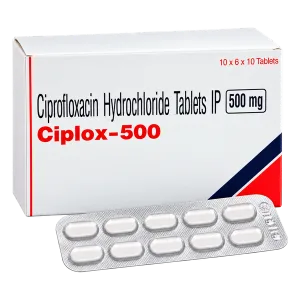
Ciplox
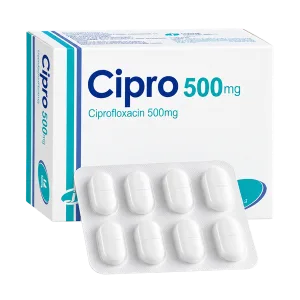
Cipro
Sources
- U.S. Food and Drug Administration (2023). Ampicillin Capsules, USP — prescribing information.
- World Health Organization (2023). The WHO AWaRe Antibiotic Book: Information on Use of Antibiotics.
- National Institute for Health and Care Excellence (2015). Antimicrobial stewardship: systems and processes for effective antimicrobial medicine use (NG15).
- PubMed (2022). Indexed clinical review on oral beta-lactam antibiotic treatment and response assessment.
- European Medicines Agency (2021). Summary of Product Characteristics (SmPC) — ampicillin.