I started Allopurinol after several painful attacks in one year. The first month included another flare, so I thought it was making things worse. My doctor explained the crystal mobilisation and arranged temporary flare treatment. After several months, my urate result was much better, though I had to stay consistent.
Patients with gout, recurrent hyperuricaemia, urate kidney stones, or treatment-related uric-acid elevation may receive Allopurinol as long-term urate-lowering therapy. It reduces uric acid production by inhibiting xanthine oxidase, helping prevent further crystal deposition in joints and tissues.
About this product
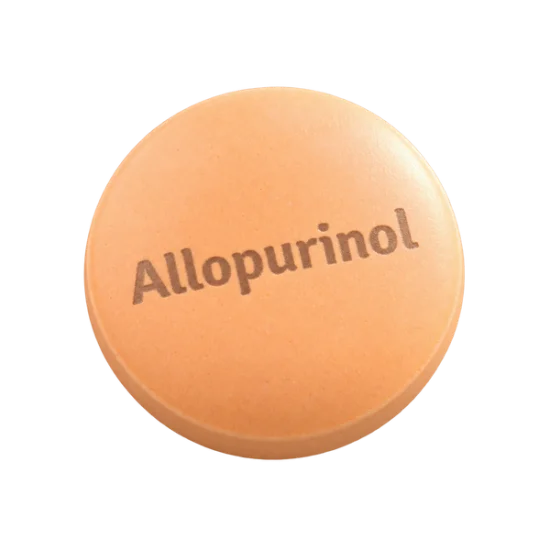
Allopurinol is a xanthine oxidase inhibitor used to lower persistently high uric acid levels. The active substance is Allopurinol. Allopurinol is supplied as oral tablets for long-term urate-lowering treatment.
Pharmacological action
Allopurinol lowers uric acid by blocking xanthine oxidase, the enzyme involved in the final stages of purine breakdown. The pathway normally converts hypoxanthine to xanthine and then xanthine to uric acid.
After administration, Allopurinol is converted into oxypurinol, also called alloxanthine. Oxypurinol remains active for longer and contributes substantially to sustained xanthine oxidase inhibition. Less uric acid is produced, while soluble precursor compounds are cleared through the kidneys.
The result is a gradual fall in serum urate. Existing crystals may then slowly dissolve when urate remains below the saturation point for a sufficient period. This process can take months, especially when deposits have been present for years.
The European Alliance of Associations for Rheumatology supports a treat-to-target strategy, regular urate measurement, and gradual dose adjustment rather than relying only on symptom improvement [2].
What it contains
The active substance is Allopurinol. Tablet excipients can vary between manufacturers and formulations, so people with a known allergy to a tablet ingredient should identify that ingredient before treatment.
Directions for use
- Dose: The amount in mg is not specified and may differ between tablet strengths and users; there is no single dose that suits everyone.
- Frequency: The number of times per day is not specified.
- Timing: Whether to take the tablets before or after meals, or at a particular time of day, is not specified.
- Duration: Used as long-term urate-lowering treatment; the exact duration is not specified.
- Route: Take orally as tablets.
Reasons not to use it
- Previous severe hypersensitivity to Allopurinol or oxypurinol
- A past severe cutaneous adverse reaction linked to Allopurinol
- Significant kidney impairment requiring careful dose selection
- Active liver disease or unexplained abnormal liver tests
- A high-risk HLA-B*58:01 result
- Pregnancy or breastfeeding when the expected benefit has not been assessed
- Concomitant treatment with medicines that substantially increase toxicity risk
The interaction with azathioprine and mercaptopurine is clinically significant. Allopurinol inhibits their breakdown and can cause severe bone-marrow suppression unless the regimen is specifically redesigned and monitored. The combination may require a major reduction in the other medicine, not simple co-administration.
Other relevant interactions include:
- Warfarin, with possible changes in anticoagulant effect
- Theophylline, with altered clearance in some patients
- Certain antibiotics, including ampicillin or amoxicillin, which may increase rash risk
- Diuretics, which can complicate urate control and hypersensitivity risk
- ACE inhibitors, where renal impairment or hypersensitivity concerns may require closer observation
- Medicines or supplements that affect kidney function
When this is not for you
Allopurinol may not be suitable for you if you have previously had a serious allergic reaction or severe skin reaction to it. Tell a clinician before treatment if you have kidney or liver problems, are pregnant or breastfeeding, have a high-risk HLA-B*58:01 result, or take azathioprine or mercaptopurine. Seek urgent help if a new rash occurs with fever, swelling, blistering, peeling skin, mouth sores, yellowing of the skin or eyes, or marked weakness.
Adverse reactions
Many people tolerate Allopurinol without major problems. Mild reactions can include skin rash, nausea, diarrhoea, abdominal discomfort, headache, dizziness, or fatigue. A small number of patients report reduced energy during treatment.
Erectile dysfunction has been reported but is not among the typical reactions. New sexual difficulties should be assessed alongside other possible causes, including vascular disease, diabetes, kidney disease, depression, and other medicines.
The most serious concern is Allopurinol hypersensitivity syndrome, which can include DRESS, Stevens–Johnson syndrome, toxic epidermal necrolysis, hepatitis, kidney injury, and severe systemic inflammation. DRESS means drug reaction with eosinophilia and systemic symptoms. It may appear with a spreading rash, facial swelling, fever, swollen lymph nodes, blood-count changes, or liver involvement.
Possible warning signs include:
- New widespread rash or blistering
- Peeling skin or painful skin
- Fever with rash
- Facial, lip, tongue, or throat swelling
- Yellowing of the skin or eyes
- Dark urine or severe nausea
- Unusual bruising
- Marked weakness with reduced urine output
A serious rash requires urgent medical assessment and stopping further doses until a clinician provides a clear plan. Re-exposure after a severe hypersensitivity reaction can be dangerous. The FDA prescribing information identifies severe skin reactions and hypersensitivity as major risks requiring prompt recognition [3].
HLA-B*58:01 is a genetic marker associated with a higher risk of severe Allopurinol hypersensitivity. Screening is recommended for selected populations with a higher prevalence of this allele, including some people of Han Chinese, Korean, Thai, and African ancestry, with local clinical practice guiding testing decisions.
Uses
Allopurinol is a xanthine oxidase inhibitor used to lower persistently high uric acid levels. Chronic hyperuricaemia can cause monosodium urate crystals to collect in joints, cartilage, tendons, and the kidneys. Over time, this may lead to recurrent gout, gouty arthritis, tophi, or uric-acid kidney stones.
The main clinical uses include:
- Long-term management of gout and chronic gout
- Prevention of recurrent gout attacks after serum urate has been controlled
- Treatment of hyperuricaemia associated with increased cellular breakdown during chemotherapy
- Prevention of uric-acid kidney stones in selected patients
- Management of calcium oxalate calculi with hyperuricosuria when excessive urinary uric acid contributes to stone formation
Allopurinol does not dissolve an acute attack immediately. Its purpose is to reduce urate production over time.
Management of chronic gout and gouty arthritis
Gout develops when uric acid concentration remains high enough for crystals to form. These crystals trigger inflammation, often causing sudden pain, warmth, swelling, and reduced movement in a joint. The big toe is a common site, though the ankle, knee, wrist, and fingers may also be affected.
Allopurinol is used between attacks to reduce the biochemical cause of crystal formation. It may also be continued during an acute flare when it has already been started, because stopping and restarting treatment can produce unstable urate levels and make long-term control more difficult. The American College of Rheumatology recommends a treat-to-target approach, with urate-lowering therapy adjusted until serum urate is below the usual target of 6 mg/dL for most people with gout [1].
Prevention of chemotherapy-induced hyperuricaemia
Rapid destruction of tumour cells can release large amounts of purines. The body converts purines into uric acid, and a sudden increase may place stress on the kidneys. This process is associated with tumour lysis syndrome, especially in cancers with a high cell turnover or a strong response to chemotherapy.
Allopurinol may be used before or during cancer treatment when lowering uric acid production is clinically appropriate. The timing depends on the oncology protocol, cancer type, kidney function, and risk of tumour lysis. Hospitals may use other urate-lowering strategies in high-risk cases.

Comparison
Allopurinol is commonly selected as the first urate-lowering option because it reduces uric acid production, has extensive clinical experience behind it, and can be adjusted across a range of kidney function when titrated carefully.
| Therapy | Main mechanism and clinical role |
|---|---|
| Allopurinol | Xanthine oxidase inhibition; long-term reduction of uric acid production |
| Febuxostat | Xanthine oxidase inhibition; an alternative when Allopurinol is unsuitable or ineffective |
| Probenecid | Increases urinary uric-acid excretion; requires adequate kidney function and attention to stone risk |
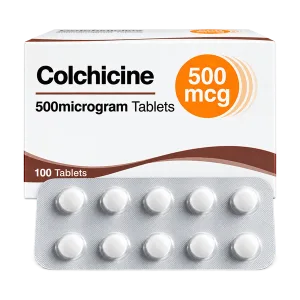
Colchicine is different. It is used to reduce inflammation during gout flares or as temporary prophylaxis when urate-lowering treatment begins. It does not lower serum urate and does not replace Allopurinol for long-term urate control.
Sulfinpyrazone is another uricosuric approach with limited use in modern practice. Combination treatment involving Allopurinol and lesinurad has also been used in selected treatment plans, though its suitability depends on local regulatory status, kidney function, and the patient’s wider medication profile.
Febuxostat may be useful when a person cannot tolerate Allopurinol or does not reach the urate target. Cardiovascular history influences that decision. Probenecid may be less suitable for people with recurrent uric-acid stones or reduced renal clearance.
Common mistakes
Several habits can undermine treatment:
- Taking Allopurinol only when a joint becomes painful
- Stopping it during every flare without a medical plan
- Expecting immediate pain relief from a urate-lowering tablet
- Increasing the amount independently after one high urate result
- Ignoring a new rash because it appears mild
- Failing to mention kidney disease
- Combining it with azathioprine or mercaptopurine without a revised regimen
- Missing blood tests used to guide dose adjustment
- Assuming that a symptom-free month means the condition has resolved
One practical problem is taking the tablet inconsistently around travel, shift work, or fasting. A missed dose can be forgotten because the person feels well. Linking the tablet with a regular daily routine can make adherence easier.
What doctors say
In clinical practice, doctors usually frame Allopurinol as a long-term risk-reduction treatment. The goal is not simply to make the next flare shorter. The goal is to keep serum urate low enough for crystals to shrink and future attacks to become less likely. This strategy requires regular monitoring during dose adjustment. It also helps clinicians distinguish treatment response from temporary symptom changes.
A gradual increase may improve tolerability when kidney function is reduced. Renal function, serum urate, blood counts, and liver tests may be reviewed according to the patient’s risk profile.
Doctors also distinguish an early flare from an allergic reaction. Joint pain without a rash can reflect crystal mobilisation. A rash with fever, facial swelling, mouth sores, or abnormal illness requires a different response and urgent assessment.
The WHO lists gout as a chronic condition requiring sustained management when recurrent attacks or urate deposition are present [4]. Consistency matters because missed doses can allow urate levels to rise, even when the joints feel comfortable.
Questions and answers
Can alcohol be used while taking Allopurinol?
Alcohol can raise uric acid and may increase the likelihood of gout attacks, even when Allopurinol is being taken. Beer and spirits are frequent triggers, while alcohol can also worsen dehydration, which affects urate handling. Guidance from the American College of Rheumatology in 2020 supports limiting alcohol as part of gout management. Allopurinol does not cancel the urate-raising effect of regular alcohol intake.
Can Allopurinol be combined with colchicine or other supplements?
Colchicine is commonly used alongside Allopurinol during treatment initiation because the two medicines have different roles. Colchicine reduces inflammation, while Allopurinol lowers uric acid production. Kidney disease, liver disease, and interacting medicines can make colchicine hazardous, so the regimen must be individually selected. NICE gout guidance published in 2022 also stresses interaction review and adjustment for renal function.
Which symptoms require stopping Allopurinol and seeking urgent care?
A new widespread rash, blistering, peeling skin, fever, facial swelling, mouth sores, yellow eyes, or severe weakness may signal a serious hypersensitivity reaction. The FDA's 2018 prescribing information identifies DRESS and severe cutaneous reactions as urgent safety concerns associated with Allopurinol. Stop further doses while obtaining urgent medical assessment if these symptoms occur, unless emergency clinicians provide different instructions. A mild isolated stomach upset does not carry the same meaning as a rapidly spreading rash.
What should be done if the expected urate reduction does not occur?
A high result does not automatically mean that Allopurinol has failed. Doctors usually review adherence, the interval since treatment began, kidney function, dose titration, alcohol intake, diuretics, and the laboratory result itself. The EULAR recommendations updated in 2016 support serum-urate monitoring and dose adjustment toward an agreed target. Do not increase the amount independently, because excessive dosing can increase toxicity without correcting the underlying problem.
What is the best time of day to take Allopurinol?
There is no universal clock time that suits every patient. The tablet is usually taken at a consistent time, with adequate fluid intake, and the schedule may be adjusted around other medicines or stomach tolerance. The European Medicines Agency's 2019 product information describes Allopurinol administration as an individualised regimen based on indication and renal function. A routine linked to a dependable daily activity is often easier to maintain than changing the time from day to day.
What should be done after a missed dose?
Take the missed dose when remembered unless the next scheduled dose is close. If the next dose is near, skip the missed dose and return to the regular schedule. Do not double the amount to compensate, because a sudden extra dose does not restore urate control and may increase adverse effects. Patient-safety advice from the NHS reviewed in 2024 follows this standard missed-dose approach for Allopurinol.
Does Allopurinol cause erectile dysfunction?
Erectile dysfunction has been reported rarely, but it is not one of the most characteristic effects of Allopurinol. Gout itself, vascular disease, diabetes, kidney impairment, depression, and several other medicines can affect sexual function. A 2021 review in the Journal of Clinical Medicine described erectile problems in gout as multifactorial rather than attributable to one medicine in every case. New or persistent symptoms deserve a medication and health review rather than abrupt treatment changes.
Do you offer anonymous delivery?
Your order will be securely packed and shipped within 24 hours. This is exactly what your package will look like (images of an actual item sent). It has the size and look of a regular private letter (24x11x0.7 cm) and its contents cannot be seen.
Comparison
Allopurinol Current
Colchicine
Sources
- American College of Rheumatology (2020). 2020 American College of Rheumatology Guideline for the Management of Gout.
- European Alliance of Associations for Rheumatology (2016). 2016 updated EULAR evidence-based recommendations for the management of gout.
- U.S. Food and Drug Administration (2018). Allopurinol Tablets Prescribing Information.
- World Health Organization (2023). WHO Model List of Essential Medicines: 23rd list.