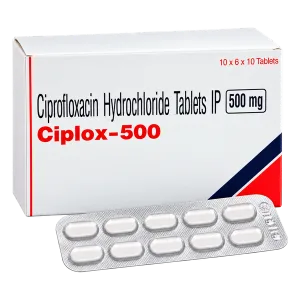
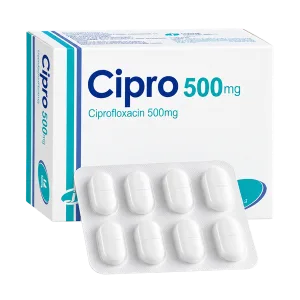
The stomach discomfort started on the second day and improved when I took the tablet with water and a light meal. The symptoms that led to treatment settled before the course ended, so I finished it as instructed.
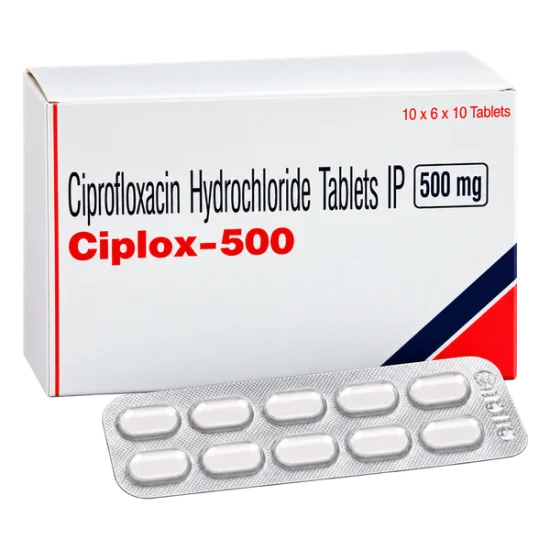
Ciplox is an oral antibiotic for selected bacterial infections. Its active ingredient, ciprofloxacin, helps control susceptible infections by stopping bacterial DNA replication.
About this product
Ciplox is an oral antibiotic for selected bacterial infections when ciprofloxacin is clinically appropriate. The appropriate amount differs between strengths and between users, so no single amount suits everyone. It stops bacterial DNA replication, helping control susceptible infections.
Pharmacological action
Ciprofloxacin blocks bacterial DNA gyrase and topoisomerase IV. These enzymes control the coiling, copying, and repair of bacterial DNA. When the enzymes are inhibited, susceptible bacteria cannot multiply normally and may die.
Ciprofloxacin is bactericidal, which means it can kill susceptible bacteria rather than only slowing their growth. Its action is different from antibiotics that mainly interfere with bacterial cell-wall construction or protein production.
Laboratory susceptibility testing can guide treatment when the infection is complicated or symptoms persist. The World Health Organization places fluoroquinolones in a group requiring careful antimicrobial stewardship because resistance and serious class-related reactions can limit their use [2].
What it contains
Ciplox contains ciprofloxacin, a fluoroquinolone antibiotic. The appropriate amount differs between strengths and between users, so no single amount suits everyone. Ciprofloxacin acts against susceptible bacteria by inhibiting DNA gyrase and topoisomerase IV, enzymes bacteria need to copy and repair their genetic material [1]. Absorption is systemic after oral dosing. Its antibacterial activity depends on the organism’s susceptibility.
Ciprofloxacin reaches the bloodstream after oral administration and distributes into several tissues. This systemic action differs from a topical antibiotic applied only to the eye, ear, or skin.
Directions for use
Ciplox tablets are taken by mouth according to an individualized prescription. The appropriate amount differs between strengths and between users, so no single amount suits everyone.
Use the following practical principles:
- Swallow the tablet whole with a full glass of water.
- Take doses at evenly spaced times when a regular schedule has been prescribed.
- Keep the course length set by the prescriber, even if symptoms improve sooner.
- Do not take Ciplox at the same time as aluminium- or magnesium-containing antacids.
- Separate iron, zinc, calcium, and magnesium supplements from ciprofloxacin as directed.
- Avoid taking the tablet with dairy products alone because calcium can reduce absorption; dairy taken as part of a complete meal has a different effect.
- Do not share Ciplox with another person who has similar symptoms.
- Do not use leftover tablets for a later illness.
If a dose is missed, take it when remembered unless the next scheduled dose is close. In that situation, skip the missed dose and continue with the regular schedule. Do not take two doses together.
The tablet should be taken with adequate fluids unless a clinician has given a fluid restriction. Severe vomiting, persistent diarrhoea, or inability to keep tablets down can prevent reliable treatment and requires prompt clinical assessment.
Reasons not to use it
Ciplox is not suitable for you if:
- You have had a serious allergic reaction to ciprofloxacin or another fluoroquinolone.
- You are taking tizanidine.
- You previously developed tendon inflammation or tendon rupture linked to a fluoroquinolone.
- You have a condition in which ciprofloxacin’s risks outweigh the expected benefit.
- A clinician has identified a bacterial organism resistant to ciprofloxacin.
- The illness is viral or fungal rather than bacterial.
When this is not for you
Pregnancy and breastfeeding require a specific clinical decision because ciprofloxacin can pass into breast milk and fluoroquinolone exposure is treated cautiously during these periods. Children and adolescents generally receive ciprofloxacin only for selected indications under specialist direction.
People with epilepsy, significant kidney disease, aortic aneurysm risk, heart-rhythm disorders, diabetes, peripheral neuropathy, or previous psychiatric reactions need a careful medication review before treatment.
Adverse reactions
Ciprofloxacin can cause digestive symptoms, headache, dizziness, sleep disturbance, nausea, abdominal discomfort, or diarrhoea. Some people notice a bitter or unusual taste. Mild symptoms may settle during treatment, but worsening symptoms need clinical review.
Commonly reported effects include:
- Nausea or stomach discomfort.
- Loose stools or diarrhoea.
- Headache.
- Dizziness.
- Restlessness or sleep changes.
- Altered taste.
- Skin sensitivity to sunlight.
Ciprofloxacin can also cause less common but serious reactions. Stop taking the medicine and seek urgent medical assessment for tendon pain or swelling, muscle weakness, numbness, burning sensations, severe confusion, marked mood change, seizures, fainting, palpitations, facial swelling, breathing difficulty, or a widespread blistering rash.
Antibiotic-associated diarrhoea deserves attention. Watery or bloody diarrhoea, severe abdominal cramps, or diarrhoea that continues after the course may indicate Clostridioides difficile infection and should not be self-treated with anti-diarrhoeal medicines without medical advice.
Sun sensitivity can occur. Protective clothing and reduced exposure to intense sunlight are sensible during treatment if the skin becomes unusually reactive.

Uses
Ciplox may be prescribed for certain urinary, gastrointestinal, respiratory, skin, bone, joint, or other bacterial infections when the organism is susceptible. It does not treat viral illnesses such as influenza or most common colds. The choice depends on the infection site, bacterial sensitivity, kidney function, previous antibiotic exposure, and the patient’s medical history. NICE guidance and local protocols may also inform antibiotic selection.
A urine culture can be useful when symptoms suggest a complicated urinary infection, recurrent infection, treatment failure, or resistance. Ciprofloxacin is not automatically the first choice for every urinary symptom because antibiotic selection should match the likely organism and current clinical guidance.
Antibiotic treatment should be taken for the prescribed duration. Stopping early because symptoms improve can leave surviving bacteria behind and may encourage recurrence or resistance. Taking extra tablets to compensate for a missed dose creates avoidable side-effect risk.
Comparison
Different antibiotics target different bacterial processes. The most suitable option depends on culture findings, infection site, allergies, kidney function, interactions, and local resistance.
| Approach | Main action | Typical clinical consideration |
|---|---|---|
| Ciprofloxacin | Blocks bacterial DNA gyrase and topoisomerase IV | Used when susceptible bacteria and patient factors support a fluoroquinolone |
| Beta-lactam antibiotic | Interferes with bacterial cell-wall construction | Selection depends on organism, allergy history, and infection site |
| Azole antifungal | Disrupts fungal cell-membrane formation | Used for fungal disease, not bacterial infection |
Ciprofloxacin is not interchangeable with an antifungal such as clotrimazole. A fungal ear or skin infection requires a different treatment strategy. A bacterial infection may also need a beta-lactam or another antibiotic when resistance, pregnancy, allergy, or adverse-effect risk makes ciprofloxacin unsuitable.
The European Medicines Agency has highlighted restrictions around fluoroquinolone use because some reactions can be prolonged or disabling [3]. This does not mean every prescribed course causes a serious problem. It means the expected benefit should justify exposure to this antibiotic class.
Common mistakes
- Taking ciprofloxacin with an aluminium or magnesium antacid.
- Swallowing it together with iron or zinc.
- Stopping after the first symptom-free day.
- Doubling the next dose after a missed tablet.
- Exercising intensely despite new tendon pain.
- Treating a cold, influenza, or another viral illness with an antibiotic.
- Using leftover tablets for a different infection.
- Ignoring severe diarrhoea after treatment.
- Failing to mention corticosteroid use.
- Taking tizanidine together with ciprofloxacin.
What doctors say
In clinical practice, physicians usually reserve ciprofloxacin for situations where its bacterial coverage and tissue penetration offer a clear advantage. A prescriber may request urine, blood, stool, or wound testing when the diagnosis is uncertain or resistance is likely.
The main benefit is targeted systemic antibacterial activity. The main limitation is the fluoroquinolone safety profile, which includes tendon, nerve, mental-health, heart-rhythm, and glucose-related concerns. Doctors also consider whether a narrower antibiotic could treat the same infection with less class-specific risk.
Consistency matters, but taking more is never a shortcut. A second tablet cannot safely replace a missed dose, and extending treatment without instruction can increase adverse effects without improving cure rates.
The FDA prescribing information describes serious reactions involving tendons, peripheral nerves, the central nervous system, and blood glucose regulation [4]. These warnings help explain why Ciplox should be used for a confirmed or strongly suspected susceptible bacterial infection rather than for undiagnosed symptoms.
Questions and answers
How does Ciplox differ from antibiotics with another active ingredient?
Ciplox contains ciprofloxacin, a fluoroquinolone that inhibits bacterial DNA gyrase and topoisomerase IV. Beta-lactam antibiotics act on bacterial cell-wall formation, while macrolides act mainly on bacterial protein production. FDA prescribing information from 2024 describes ciprofloxacin selection according to susceptible organisms and infection type, rather than as a universal treatment for all bacterial illness.
Can Ciplox be used during pregnancy or breastfeeding?
Pregnancy and breastfeeding require an individualized assessment because ciprofloxacin crosses into breast milk and exposure is considered cautiously. A clinician weighs the infection’s severity, available alternatives, bacterial sensitivity, and the stage of pregnancy. The EMA 2019 referral assessment report supports careful review of fluoroquinolone risks before treatment.
How long does a Ciplox course last, and is long-term use acceptable?
Course length varies with the infection, organism, response, and kidney function. Long-term or repeated use is not appropriate as self-treatment because fluoroquinolone adverse effects and antibiotic resistance become more significant with greater exposure. WHO antimicrobial stewardship guidance published in 2022 supports using antibiotics for the shortest clinically suitable course.
What should be done after a missed Ciplox dose?
Take the missed tablet when remembered unless the next dose is due soon. Skip it when the next scheduled dose is close, then continue normally; never double the dose. NHS antibiotic guidance reviewed in 2024 uses this approach for missed doses while recognising that the exact schedule may differ between medicines.
Can alcohol be used during Ciplox treatment?
Alcohol does not create the same specific reaction associated with some other antibiotics, but it can worsen dizziness, nausea, sleep disturbance, or poor concentration. Avoid alcohol if these symptoms occur or if you feel unwell from the infection. FDA safety information from 2024 supports caution with activities affected by dizziness or central nervous system reactions.
What is the best time of day to take Ciplox?
The best time is the one that maintains the prescribed interval between doses and avoids mineral products that reduce absorption. Ciprofloxacin can be taken with water, but it should not be taken at the same time as antacids, iron, zinc, calcium, or magnesium supplements. The EMA 2019 referral assessment report describes interaction precautions that support separating interacting products rather than changing the antibiotic dose.
How long does one Ciplox dose keep working?
A dose continues to provide antibacterial exposure for several hours, but the exact dosing interval depends on the regimen, kidney function, infection, and prescribed strength. Do not repeat a dose because symptoms return before the next scheduled time. The FDA label from 2024 explains that ciprofloxacin exposure and dosing require adjustment for patient-specific factors.
Do you offer anonymous delivery?
Your order will be securely packed and shipped within 24 hours. This is exactly what your package will look like (images of an actual item sent). It has the size and look of a regular private letter (24x11x0.7 cm) and its contents cannot be seen.
Comparison
Amoxil
Ampicillin
Augmentin
Bactrim
Ciplox Current
Cipro
Sources
- U.S. Food and Drug Administration (2024). CIPRO (ciprofloxacin hydrochloride) tablets and oral suspension prescribing information.
- World Health Organization (2022). The WHO AWaRe Antibiotic Book: Antibiotic Treatment for Common Infections in Children and Adults.
- European Medicines Agency (2019). Quinolone- and fluoroquinolone-containing medicinal products: referral assessment report.
- U.S. Food and Drug Administration (2024). Fluoroquinolone antibacterial drugs: drug safety communication and prescribing information.