Skip to content
Remeron
Active ingredient: Mirtazapine

Remeron

Quality products
24/7 Support
Fast delivery
Delivery from 4 days
Select pack Package Per unit Price

Free delivery on orders from AED 796.00, free express delivery from AED 1,194.00

Secure Payments
Track your order
Best price guarantee

Mirtazapine, the active ingredient of Remeron, is a noradrenergic and specific serotonergic antidepressant for adults with major depressive episodes. It can improve depressive symptoms while also helping sleep and appetite in some patients.

About this product

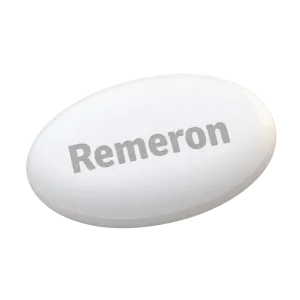
Remeron contains mirtazapine, an oral antidepressant used for major depressive disorder in adults. Mirtazapine belongs to the NaSSA group: noradrenergic and specific serotonergic antidepressants.

Pharmacological action

Mirtazapine blocks presynaptic alpha-2 adrenergic receptors. This removes an inhibitory signal and increases the release of noradrenaline and serotonin in relevant parts of the central nervous system. It also blocks selected serotonin receptors, including 5-HT2 and 5-HT3 receptors, which helps shape the clinical effects of increased serotonin transmission [2].

Alpha-2 adrenergic receptor activity

Alpha-2 receptors act partly as a braking system for noradrenaline and serotonin release. By antagonising these receptors, mirtazapine increases noradrenergic signalling and supports serotonergic transmission. This mechanism differs from SSRIs, which primarily inhibit serotonin reuptake.

Serotonin receptor activity

Mirtazapine blocks 5-HT2 receptors and 5-HT3 receptors while allowing more serotonergic activity through 5-HT1 receptors. The 5-HT3 effect may explain why nausea and certain gastrointestinal symptoms can be less prominent than with some serotonin-focused antidepressants, though individual reactions vary.

Histamine H1 receptor blockade contributes to drowsiness and increased appetite. The sedating effect is often more noticeable at the beginning of treatment. It can be useful when depression is accompanied by insomnia, yet it may become a limitation when daytime alertness or weight control is a priority.

What it contains

Mirtazapine belongs to the NaSSA group: noradrenergic and specific serotonergic antidepressants. It does not work as a conventional selective serotonin reuptake inhibitor, or SSRI. Instead, it changes signalling through several presynaptic and postsynaptic receptors, increasing noradrenergic and selected serotonergic activity.

The tablet should be swallowed according to the prescribed instructions. Do not assume that a higher-strength tablet can be substituted for a lower-strength regimen without confirmation, because antidepressant dosing changes are normally made in measured steps.

Antidepressant approach Main pharmacological feature Practical distinction
Remeron, a NaSSA Alpha-2 receptor antagonism with selective serotonin receptor effects Sedation, increased appetite, and weight gain can occur
SSRI class Reduces serotonin reuptake Nausea, loose stools, activation, and sexual dysfunction are common concerns
Serotonin-noradrenaline reuptake inhibitor class Reduces reuptake of serotonin and noradrenaline May cause nausea, sweating, insomnia, or blood-pressure changes

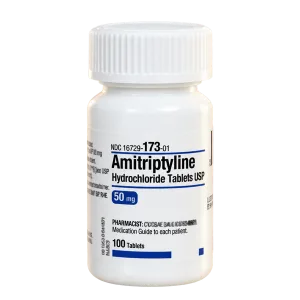
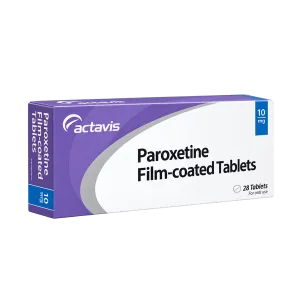
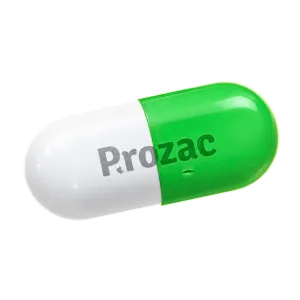
This comparison concerns drug classes rather than individual prescribing choices. A clinician may favour mirtazapine when insomnia, poor appetite, or SSRI-related sexual problems are relevant, while choosing another class when weight gain or daytime sedation would be difficult to manage.

Keep a simple record of sleep, appetite, morning alertness, and mood during the first weeks. The pattern is more useful than judging the treatment from one unusually good or bad day.

Directions for use

The exact regimen for the chosen Remeron strength must be confirmed with a healthcare professional before starting. The usual clinical approach is one daily oral dose, commonly taken in the evening because of possible drowsiness. Dose changes are normally gradual and should follow the prescriber’s plan rather than being made after a single night of poor sleep.

Practical administration points

  • Take the tablet at the prescribed time, with or without food unless the prescriber gives different instructions.
  • Swallow it with water.
  • Take it at the same time each day.
  • Avoid driving until the effect on alertness is clear.
  • Do not stop suddenly after regular use without a planned reduction.
  • If a dose is missed, take it when remembered unless the next dose is near; do not double the next dose.

Remeron is taken for a course determined by the prescriber. Antidepressant treatment often continues after symptoms improve to reduce relapse risk. The duration depends on the number of previous episodes, response, relapse risk, and tolerability.

Alcohol can add to mirtazapine-related drowsiness and impaired coordination. Avoid combining them until the prescriber has confirmed that alcohol is appropriate for your treatment plan.

Reasons not to use it

Remeron is not suitable for everyone.

Do not combine mirtazapine with monoamine oxidase inhibitors. Combining it with other antidepressants, tramadol, lithium, linezolid, triptans, or St John’s wort may increase serotonergic adverse effects and requires a prescriber-led review. Sedatives, opioid pain medicines, sleep medicines, and alcohol can increase drowsiness and impaired coordination.

Mirtazapine may also affect the risk of bleeding when used with medicines that impair clotting. Tell the prescriber about anticoagulants, antiplatelet medicines, seizure treatment, sedating antihistamines, and all supplements.

When this is not for you

This medication is not for you if

  • You have had an allergic reaction to mirtazapine or an ingredient in the prescribed tablet.
  • You are taking a monoamine oxidase inhibitor, or have stopped one within the restricted interval specified by the prescriber.
  • You have untreated severe liver disease or severe kidney impairment requiring individual dose assessment.
  • You have a history of mania or bipolar disorder without a clear mood-stabilisation plan.
  • You have severe sleep apnoea, repeated falls, or another condition that could be worsened by sedation.
  • You have a previous low white-cell count linked to mirtazapine.
  • You are pregnant, breastfeeding, or planning pregnancy and the treatment has not been reviewed.

Adverse reactions

Common adverse effects include sleepiness, increased appetite, weight gain, dry mouth, constipation, dizziness, headache, and fatigue. These effects may be strongest during the first days or weeks. The FDA prescribing information identifies somnolence, increased appetite, weight gain, and dizziness among clinically relevant adverse reactions [3].

Drowsiness may improve with continued treatment, but it can persist. Dry mouth is often easier to manage with regular water intake and sugar-free gum. Constipation responds better to early attention than to waiting several days; fibre, fluids, and suitable physical activity may help when medically appropriate.

Weight gain deserves practical monitoring. A weekly weight check, rather than repeated daily weighing, gives a clearer pattern. Increased appetite can be subtle: larger portions, evening snacking, or renewed interest in sweet foods may appear before the weight change is obvious.

Serious reactions requiring prompt medical attention

Seek urgent medical help for:

  • Suicidal thoughts, severe worsening of depression, or dangerous impulsivity.
  • Signs of mania, such as unusually high energy, very little sleep, racing thoughts, or reckless behaviour.
  • Fever, sore throat, mouth ulcers, or unusual infections, which can rarely signal low white blood cell counts.
  • Severe rash, facial swelling, breathing difficulty, or blistering skin.
  • Fainting, severe confusion, or symptoms suggesting serotonin toxicity when combined with serotonergic medicines.
  • Yellowing of the skin, dark urine, or severe upper abdominal discomfort.

One easily missed detail is that antidepressant-related activation can appear as agitation or reduced sleep rather than obvious happiness. Family members may notice the change first.

Uses

Mirtazapine is licensed for depressive illness and is selected when sleep disruption or reduced appetite accompanies the depressive episode [1].

Primary medical indication

Mirtazapine is used to treat major depressive episodes. Improvement in sleep or appetite may appear before mood recovery, while the main antidepressant benefit usually develops more gradually over the following weeks.

An important practical detail is that early drowsiness can be stronger than the later mood benefit. Patients who drive, operate machinery, or work night shifts should observe how the tablet affects alertness before performing safety-sensitive tasks.

Take Remeron at the same evening time each day when possible. A fixed routine makes missed doses less likely and helps reveal whether morning drowsiness is settling.

Depression frequently occurs with insomnia, early-morning waking, reduced appetite, and anxious distress. Mirtazapine may improve sleep earlier than it improves motivation, concentration, or low mood. This difference can create a misleading impression that the treatment has fully worked when only one symptom has changed.

Anxiety may improve as the depressive episode responds, but Remeron is not a dedicated emergency treatment for panic, severe agitation, or an acute mental-health crisis. Increased restlessness, worsening anxiety, unusual energy, or reduced need for sleep should be reported promptly, especially after starting or changing treatment.

Mirtazapine can increase appetite and body weight. Patients managing diabetes, metabolic syndrome, or previous medication-related weight gain need a more deliberate plan for meals, activity, and monitoring.

Comparison

This comparison concerns drug classes rather than individual prescribing choices. A clinician may favour mirtazapine when insomnia, poor appetite, or SSRI-related sexual problems are relevant, while choosing another class when weight gain or daytime sedation would be difficult to manage.

Antidepressant approach Main pharmacological feature Practical distinction
Remeron, a NaSSA Alpha-2 receptor antagonism with selective serotonin receptor effects Sedation, increased appetite, and weight gain can occur
SSRI class Reduces serotonin reuptake Nausea, loose stools, activation, and sexual dysfunction are common concerns
Serotonin-noradrenaline reuptake inhibitor class Reduces reuptake of serotonin and noradrenaline May cause nausea, sweating, insomnia, or blood-pressure changes

Common mistakes

Several avoidable mistakes can reduce tolerability or make the treatment appear ineffective:

  • Taking the tablet in the morning despite strong evening sedation.
  • Using alcohol to intensify sleepiness.
  • Stopping when sleep improves but depressive symptoms remain.
  • Doubling the next dose after a missed tablet.
  • Ignoring rapid weight gain or persistent constipation.
  • Failing to disclose tramadol, St John’s wort, sedatives, or other antidepressants.
  • Treating new agitation, reduced sleep, or impulsive behaviour as a sign of recovery.
  • Driving before learning how strongly the medicine affects alertness.
If morning grogginess continues, record the dosing time and sleep duration for several days. This gives the prescriber useful information before the dose or timing is changed.

What doctors say

In clinical practice, doctors often assess sleep, appetite, weight, anxiety, suicidal thinking, and daytime function separately rather than judging Remeron only by mood. Early sleep improvement can be encouraging, but it does not prove that the depressive episode has remitted.

A prescriber will usually want a clear follow-up plan after initiation or a dose change. The assessment may include mood activation, suicidal thoughts, sedation, weight, blood pressure, liver or kidney considerations, and the effect of other medicines. The 2024 EMA product information describes these precautions within the safety profile for mirtazapine [4].

Patients sometimes expect the first tablet to create an immediate mood lift. Mirtazapine may cause noticeable sleepiness early, while antidepressant improvement requires regular treatment over time. Missing doses, stopping once sleep improves, or changing the dose independently can make the response difficult to interpret.

Questions and answers

Which condition rules out Remeron?

A current or recent monoamine oxidase inhibitor treatment can rule out immediate use because of the risk of serious interaction. The 2017 FDA prescribing information requires an appropriate separation period between monoamine oxidase inhibitors and mirtazapine [5]. A previous mirtazapine allergy, severe prior blood-count reaction, or untreated bipolar mania also requires a different treatment plan. These issues should be identified before the first dose.

Which habits help or hinder treatment?

Regular sleep and waking times, moderate activity, and consistent meals can support recovery from depression. Alcohol, recreational drugs, irregular dosing, and prolonged daytime sleeping can worsen sedation or disturb sleep structure. The WHO depression guidance published in 2023 supports combining medication management with attention to daily functioning and behavioural health measures. Weight and appetite changes deserve early discussion rather than waiting for a large change.

What is the best time of day to take Remeron?

Evening dosing is common because mirtazapine can cause drowsiness, especially early in treatment. The exact time should match the prescribed regimen and the patient’s sleep schedule, not simply the clock time used by another person. The EMA product information describes once-daily administration and recognises somnolence as a relevant adverse effect . Do not move the dose to the morning without reviewing persistent sedation or insomnia with the prescriber.

How should Remeron be stored at home and while travelling?

Keep the tablets in their supplied container, away from excessive heat, moisture, and direct sunlight. Store them where children cannot reach them, and do not leave them in a hot vehicle or in a humid bathroom. The 2017 FDA label provides storage instructions for the product and its tablet form . During travel, carry the medicine with your personal medicines rather than placing it in checked luggage, and maintain the usual dosing schedule as closely as practical.

Can Remeron be combined with other medicines or supplements?

The 2017 FDA label and 2024 EMA product information advise against combining mirtazapine with monoamine oxidase inhibitors, while combinations with other serotonergic medicines require a clinical review. Tramadol, lithium, some migraine medicines, linezolid, and St John’s wort can increase serotonergic risk. Sedatives, opioids, sedating antihistamines, and alcohol can amplify drowsiness. Provide a complete list of medicines and supplements before the regimen is confirmed.

How long does a Remeron course last, and is long-term use acceptable?

Treatment length varies according to response, relapse history, diagnosis, and adverse effects. Many antidepressant courses continue after improvement because stopping as soon as symptoms ease may increase relapse risk. NICE depression guidance published in 2022 supports continuing treatment for an appropriate period after remission when relapse risk is significant. Long-term use can be considered when the expected benefit remains greater than the risks, with periodic review of mood, weight, sedation, and other adverse effects.

Can the Remeron tablet be split, crushed, or chewed?

Do not split, crush, or chew the tablet unless the prescriber or dispensing instructions specifically allow it. The permitted method can depend on the exact tablet formulation, and changing the physical form may make swallowing difficult or alter how the dose is taken. The 2017 FDA product information describes administration by mouth and the relevant tablet formulation . If swallowing is difficult, request a suitable formulation or administration plan rather than altering the tablet independently.

Do you offer anonymous delivery?

Your order will be securely packed and shipped within 24 hours. This is exactly what your package will look like (images of an actual item sent). It has the size and look of a regular private letter (24x11x0.7 cm) and its contents cannot be seen.

Comparison

Compare treatments for Antidepressants

Sources

  1. EMA (2024). Summary of Product Characteristics (SmPC) — mirtazapine.
  2. PubMed (2011). Mirtazapine: pharmacology and clinical profile.
  3. FDA (2017). Remeron (mirtazapine) Prescribing Information.
  4. EMA (2024). Mirtazapine product information (SmPC and PIL).
  5. FDA (2017). Medication Guide for Remeron (mirtazapine).

Remeron: What Customers Say

3.9
Based on 4 reviews
Yousef P., 37 Ajman First week
Verified
Rating: 4 out of 5

I used Remeron during a depressive episode when insomnia and poor appetite were both problems. Sleep became easier during the first week, but my mood took longer to improve. Morning drowsiness was noticeable at first, so I avoided driving early.

14 Nov 2026
Shamma, 44 Umm Al Quwain Several weeks
Verified
Rating: 4 out of 5

After several weeks, I felt more able to complete ordinary tasks and my appetite returned. The difficult part was weight gain and wanting snacks late at night. Tracking meals helped, but the treatment still needed regular review.

19 Nov 2026
Imran, 31 Liwa First few days
Verified
Rating: 4 out of 5

The first few days felt heavy and I had a dry mouth. Sleep improved, though the daytime tiredness made work harder. I did not change the dose myself; the timing was reviewed and the sedation became easier to manage.

22 Oct 2026
Lakshmi P., 46 Dubai A few weeks
Verified
Rating: 3.5 out of 5

Remeron reduced my early-morning waking after a few weeks, but it did not remove anxiety immediately. I also noticed increased appetite. The benefit was useful, though weight and daytime alertness remained concerns.

2 Nov 2026
Get our free app Shop faster and track your orders 3.8 · 441 reviews Install