The first ten days brought nausea and restless sleep. By the fifth week, I was able to return to work without crying every morning. I still had lower sexual interest, so I discussed that at my follow-up instead of stopping on my own.
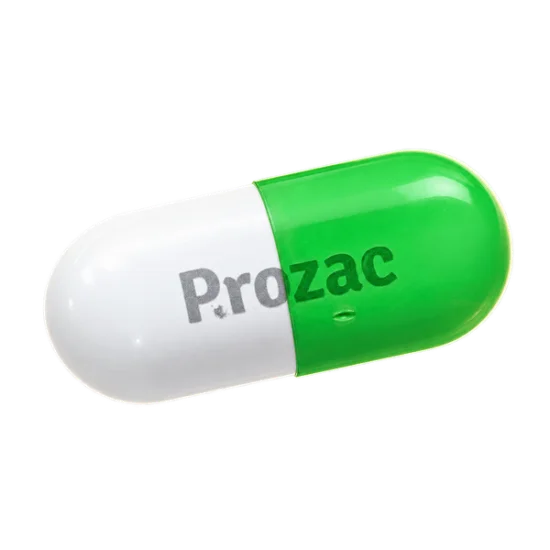
The dose is selected individually and treatment usually needs several weeks before benefits become clear. Prozac is used under medical supervision for several psychiatric conditions and works by changing serotonin signalling in the brain.
About this product
Patients aged 18 and above with major depressive disorder, obsessive-compulsive disorder, panic disorder, or bulimia nervosa may be prescribed Prozac. Its active ingredient, fluoxetine, is an SSRI that increases serotonin signalling in the brain.
Pharmacological action
Fluoxetine acts on the serotonin transporter, a protein that normally removes serotonin from the space between nerve cells. Blocking this transporter increases serotonin availability for signalling between neurons.
Repeated SSRI treatment leads to downstream adaptations in neuronal signalling. Researchers have linked these changes with altered receptor sensitivity, intracellular signalling, and neuroplasticity, meaning the brain’s ability to modify connections and responses.
What it contains
Prozac contains fluoxetine, a selective serotonin reuptake inhibitor known as an SSRI. Fluoxetine acts on the serotonin transporter, a protein that normally removes serotonin from the space between nerve cells. Blocking this transporter increases serotonin availability for signalling between neurons.
Prozac is taken as oral capsules. It is prescribed for specific psychiatric conditions rather than for occasional sadness, everyday stress, or a need for immediate calming. The main approved uses include:
- Major depressive disorder
- Obsessive-compulsive disorder
- Bulimia nervosa
- Panic disorder
The U.S. Food and Drug Administration recognises fluoxetine for these indications, while the EMA and national medicines authorities assess fluoxetine products through their own regulatory frameworks [1].
The amount taken at each intake is selected for the individual patient. A prescriber may adjust it according to diagnosis, response, age, other medicines, adverse effects, and liver function.
Serotonin transporter activity
Serotonin influences mood regulation, anxiety processing, impulse control, appetite, sleep, and several other functions. Fluoxetine does not simply create an immediate rise in happiness. Its clinical effect develops through changes in neural signalling over time.
Long-term neural adaptation
Repeated SSRI treatment leads to downstream adaptations in neuronal signalling. Researchers have linked these changes with altered receptor sensitivity, intracellular signalling, and neuroplasticity, meaning the brain’s ability to modify connections and responses.
Directions for use
- Dose: The amount per intake is selected individually by the prescriber; no single fixed mg or mL dose is established here.
- Frequency: Take the prescribed number of oral doses at the frequency selected for you; a fixed times-per-day schedule is not established here.
- Timing: Take each dose at the prescribed time. The available information does not establish whether it should be taken before or after meals.
- Duration: Treatment usually requires several weeks before benefits become clear and continues for the duration determined by the prescriber.
- Route and form: Take Prozac capsules by mouth with water and swallow them whole; do not open, crush, or chew them unless a pharmacist or prescriber confirms that the specific product may be administered that way.
Reasons not to use it
- Current treatment with an MAOI or recent MAOI use
- Previous serious allergic reaction to fluoxetine
- Bipolar disorder or a history of mania without a clear treatment plan
- Epilepsy or a lowered seizure threshold
- Significant liver disease
- A history of severe bleeding
- Use of several medicines that affect serotonin, heart rhythm, or blood clotting
- Pregnancy, planned pregnancy, or breastfeeding, where benefits and risks require individual review
Fluoxetine must not be combined with an MAOI. A washout period is required because fluoxetine has a long half-life and can continue interacting after treatment has ended.
NSAIDs, aspirin, anticoagulants, and antiplatelet medicines may increase bleeding risk when combined with an SSRI. The interaction does not mean that every combination is prohibited, but it does require a deliberate assessment.
Tamoxifen may be less effective when combined with fluoxetine because fluoxetine strongly inhibits CYP2D6, an enzyme involved in converting tamoxifen into an active metabolite. This combination needs specialist review.
When this is not for you
Prozac is NOT for you if you are currently taking an MAOI or have had a serious allergic reaction to fluoxetine. A clinician should review the following situations before prescribing:
- Current treatment with an MAOI or recent MAOI use
- Previous serious allergic reaction to fluoxetine
- Bipolar disorder or a history of mania without a clear treatment plan
- Epilepsy or a lowered seizure threshold
- Significant liver disease
- A history of severe bleeding
- Use of several medicines that affect serotonin, heart rhythm, or blood clotting
- Pregnancy, planned pregnancy, or breastfeeding, where benefits and risks require individual review
Adverse reactions
Common adverse effects are most likely during the early treatment period. They may become less troublesome as the body adapts, although some can persist.
Reported effects include:
- Nausea, loose stools, or stomach discomfort
- Headache
- Restlessness or nervousness
- Difficulty sleeping or unusual dreams
- Tiredness or dizziness
- Sweating
- Reduced appetite
- Tremor
- Sexual dysfunction
- Dry mouth
Fluoxetine can reduce appetite and cause weight change in either direction. A small snack may ease nausea, but persistent vomiting or inability to maintain fluids needs clinical review.
Sexual adverse effects can include reduced libido, delayed orgasm, or difficulty reaching orgasm. Patients do not always volunteer this information, yet it is a recognised SSRI concern and can affect adherence. A prescriber may adjust the dose or consider another strategy.
A rare but serious reaction is serotonin syndrome. Warning signs include agitation, confusion, fever, sweating, diarrhoea, shivering, muscle rigidity, marked tremor, loss of coordination, or a rapid heartbeat. Severe symptoms can progress to seizures, collapse, or death.
Serotonin syndrome is more likely when fluoxetine is combined with an MAOI, linezolid, intravenous methylene blue, certain serotonergic antidepressants, tramadol, lithium, triptans, St John’s wort, or other agents that increase serotonin. The FDA prescribing information describes these interactions and the required precautions [2].
Fluoxetine may also alter the effects of medicines metabolised by liver enzymes. Alcohol can worsen dizziness, impaired judgement, sleep disruption, and depression-related symptoms, so avoiding alcohol is the safer approach during treatment.
Abrupt discontinuation can cause dizziness, anxiety, sensory disturbances, irritability, sleep changes, and flu-like symptoms, even though withdrawal symptoms may be less prominent than with shorter-acting SSRIs. Tapering decisions should be made with the prescriber.

Uses
Prozac is prescribed when a clinician has diagnosed a condition for which fluoxetine is appropriate. The medicine is used in major depressive disorder, obsessive-compulsive disorder, bulimia nervosa, and panic disorder.
Major depressive disorder
In depression, fluoxetine may improve persistent low mood, loss of interest, guilt, reduced motivation, sleep disturbance, appetite changes, and impaired concentration. Improvement is usually gradual. A person may first notice better sleep or more energy, followed later by clearer mood and improved interest.
Treatment planning includes assessment of suicidal thoughts, previous manic symptoms, bipolar disorder, substance use, anxiety, and other medicines. An antidepressant can worsen agitation or trigger mania in a person with an undiagnosed bipolar-spectrum illness.
Obsessive-compulsive disorder
For OCD, treatment aims to reduce the intensity and frequency of intrusive thoughts and compulsive behaviours. Fluoxetine is often used alongside exposure and response prevention therapy, a form of cognitive behavioural therapy.
OCD treatment may require a longer assessment period than depression. A partial response does not always mean the medicine has failed. The prescriber may review adherence, treatment duration, psychological therapy, and dose selection before changing the plan.
Bulimia nervosa
Fluoxetine may reduce binge-eating and compensatory behaviours in bulimia nervosa. It does not replace nutritional rehabilitation, psychological treatment, or assessment of electrolyte disturbances.
Purging can cause dehydration and abnormal potassium levels, which may increase cardiac risk. Severe vomiting, fainting, chest palpitations, or marked weakness require urgent medical assessment.
Panic disorder
In panic disorder, Prozac can reduce recurrent panic attacks and anticipatory fear over time. Anxiety may increase temporarily after treatment begins. Slow dose adjustments and regular follow-up can help manage this early phase.
Fluoxetine is also prescribed off-label in some settings for conditions such as dysthymia, social anxiety disorder, generalised anxiety disorder, post-traumatic stress disorder, body dysmorphic disorder, and binge-eating disorder. Off-label use means the clinician is applying clinical evidence and judgement outside the product’s core approved indications. It does not mean the medicine is suitable without an individual assessment.
Comparison
| Class | Main mechanism | Practical distinction |
|---|---|---|
| SSRIs, including fluoxetine | Reduce serotonin reuptake through the serotonin transporter | Often selected for depression and anxiety-related disorders; gastrointestinal and sexual adverse effects may occur |
| SNRIs | Reduce reuptake of serotonin and noradrenaline | May affect blood pressure, pulse, sweating, and anxiety |
| Tricyclic antidepressants and MAOIs | Affect several neurotransmitter systems or inhibit monoamine breakdown | More interaction and toxicity concerns; careful specialist management is often required |
Fluoxetine is more selective than tricyclic antidepressants, which also affect histamine, muscarinic, and alpha-adrenergic receptors. Those additional actions can cause sedation, dry mouth, constipation, blurred vision, postural dizziness, and cardiac effects.
MAOIs work through a different mechanism and can interact dangerously with serotonergic medicines. Fluoxetine requires a prolonged separation period before an MAOI can be started. The reverse transition also requires a planned washout period.
SNRIs may be useful when pain symptoms or low energy are prominent, while another SSRI may suit a patient who develops troublesome activation or gastrointestinal symptoms with fluoxetine. Selection depends on diagnosis, previous response, other medicines, medical history, and patient preference.
Common mistakes
Several avoidable errors can make Prozac seem ineffective or increase risk:
- Stopping after a few days because mood has not improved
- Taking extra capsules after a difficult day
- Combining Prozac with St John’s wort or another serotonergic product
- Starting tramadol, linezolid, lithium, or a triptan without disclosing fluoxetine use
- Taking the medicine late in the evening when it causes insomnia
- Assuming a missed dose should be doubled
- Failing to report new suicidal thoughts, severe agitation, or manic symptoms
- Hiding sexual adverse effects, which can lead to unplanned discontinuation
- Changing treatment abruptly before a planned switch to another antidepressant
What doctors say
In clinical practice, doctors usually set expectations before the first capsule is taken. The initial goal may be improved sleep, appetite, anxiety control, or reduced intrusive thoughts rather than a complete mood recovery within days.
A psychiatrist will usually ask about previous antidepressants, family history of bipolar disorder, suicide risk, seizures, bleeding problems, liver disease, and all prescription or non-prescription products. This history is not routine paperwork; it can change the safest medicine and starting plan. The review also covers current supplements. It helps identify interaction risks. Follow-up plans should be agreed before treatment starts.
Doctors also monitor activation. New severe restlessness, impulsivity, unusually reduced need for sleep, racing thoughts, or elevated mood can indicate mania or an adverse reaction. These symptoms need prompt clinical contact.
A practical point from prescribing experience is that patients often judge Prozac too early. Two weeks may show tolerability but not the full antidepressant response. A planned review after several weeks gives a more reliable basis for continuing, adjusting, or changing treatment.
Questions and answers
Which diet, exercise, or habits can support Prozac treatment?
Regular sleep, moderate physical activity, structured meals, and reduced alcohol intake can support recovery during antidepressant treatment. The WHO’s mental health guidance, referenced in 2023 clinical practice resources, supports combining appropriate medication with psychosocial and behavioural care. Caffeine late in the day may worsen insomnia or jitteriness for some people, while severe dieting can complicate treatment of bulimia nervosa. These habits support treatment but do not replace fluoxetine when a clinician has prescribed it.
How should Prozac capsules be stored at home or during travel?
Keep the capsules in a dry place at normal room temperature, away from excessive heat, moisture, and direct sunlight. FDA storage instructions for fluoxetine products were available in the 2023 prescribing information and do not require routine refrigeration. During travel, carry the medicine in its labelled dispensing container and avoid leaving it in a hot vehicle or checked luggage. Keep it inaccessible to children and do not transfer loose capsules into an unmarked container.
How does Prozac differ from antidepressants with other active substances?
Prozac contains fluoxetine, an SSRI that primarily reduces serotonin reuptake. SNRIs affect serotonin and noradrenaline, while tricyclic antidepressants influence several receptor systems and can produce more anticholinergic and cardiovascular effects. NICE guidance updated in 2022 describes antidepressant selection as dependent on symptoms, previous response, adverse effects, interactions, and patient preference. Fluoxetine’s long persistence in the body is one of its main pharmacokinetic differences.
What should be done after a missed Prozac dose?
Take the next dose at the normal scheduled time unless the prescriber has given a different plan. Do not double the amount to compensate for a missed capsule. The FDA’s fluoxetine prescribing information from 2023 reflects the need to avoid unsupervised dose changes. Because fluoxetine and norfluoxetine remain in the body for a relatively long time, one missed dose may not produce immediate symptoms, but repeated missed doses can reduce treatment consistency.
How soon can the effect of Prozac become noticeable?
Some changes, such as altered sleep, appetite, nausea, or anxiety, may occur during the first one or two weeks. Improvement in depression, OCD, panic symptoms, or bulimia-related behaviours often takes two to six weeks, and some conditions require longer assessment. EMA information on fluoxetine products from 2023 describes gradual clinical response rather than an immediate effect. Contact the prescriber promptly if suicidal thoughts, severe agitation, or unusual elevated mood appear during the early period.
Can Prozac affect driving, concentration, or machinery work?
Fluoxetine may cause dizziness, drowsiness, blurred concentration, restlessness, or impaired alertness, especially when treatment begins or the dose changes. The UAE Ministry of Health and Prevention, MOHAP, issued 2024 guidance encouraging medicine users to consider alertness-related effects when performing safety-sensitive tasks. Do not drive or operate machinery until you know how the capsules affect you. Alcohol, sedating medicines, sleep deprivation, and untreated depression can increase impairment.
Do you offer anonymous delivery?
Your order will be securely packed and shipped within 24 hours. This is exactly what your package will look like (images of an actual item sent). It has the size and look of a regular private letter (24x11x0.7 cm) and its contents cannot be seen.
Comparison
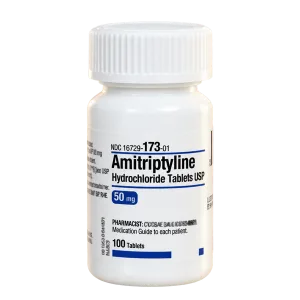
Amitriptyline
Anafranil
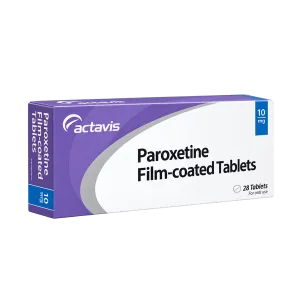
Paroxetine
Prozac Current
Remeron
Sources
- U.S. Food and Drug Administration (2023). PROZAC (fluoxetine hydrochloride) capsules prescribing information.
- U.S. Food and Drug Administration (2023). PROZAC (fluoxetine hydrochloride) capsules: warnings, precautions, and drug interactions.