Skip to content
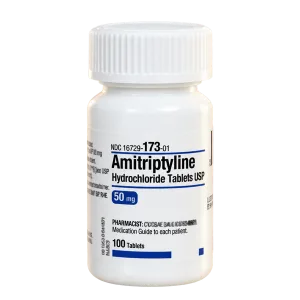
Amitriptyline
Active ingredient: Amitriptyline

Amitriptyline

Quality products
24/7 Support
Fast delivery
Delivery from 4 days
Select pack Package Per unit Price

Free delivery on orders from AED 796.00, free express delivery from AED 1,194.00

Secure Payments
Track your order
Best price guarantee

Amitriptyline increases the availability of serotonin and norepinephrine in the nervous system, which can influence mood, pain signalling, and sleep. Amitriptyline tablets are used in adults for selected depressive disorders and nerve-related pain, with treatment chosen according to the clinical goal.

About this product

The tablet contains amitriptyline hydrochloride, a tricyclic antidepressant. How much to use and how often depends on the purpose of use and is agreed with a doctor or pharmacist. The clinical objective determines how benefit and tolerability are assessed. Follow-up should consider symptom response, adverse effects, and relevant medical risks.

Pharmacological action

Amitriptyline blocks the reuptake of serotonin and norepinephrine at nerve endings. More of these neurotransmitters remain available in the synaptic space, allowing them to influence communication between neurons.

The antidepressant effect usually develops gradually because changes in receptor sensitivity and neural circuits take time. Pain relief may also develop progressively, but it does not rely only on mood improvement. Amitriptyline can reduce the amplification of pain signals within the spinal cord and brain.

Its receptor activity creates a mixed pharmacological profile:

  • Serotonin and norepinephrine reuptake inhibition: supports antidepressant and analgesic effects.
  • Histamine H1 receptor blockade: contributes to sleepiness and increased appetite.
  • Muscarinic receptor blockade: contributes to dry mouth, constipation, urinary difficulty, and blurred vision.
  • Alpha-1 receptor blockade: may cause dizziness when standing.

This broad activity distinguishes Amitriptyline from selective serotonin reuptake inhibitors, which mainly target serotonin transport. It also explains why Amitriptyline can help pain while causing more anticholinergic effects than many newer antidepressants. The FDA prescribing information describes these pharmacological actions and associated precautions [1].

What it contains

Each tablet contains amitriptyline hydrochloride. Amitriptyline belongs to the tricyclic antidepressant class, also called TCAs. These medicines act on several signalling systems in the brain and spinal cord, so their clinical uses extend beyond depression.

Amitriptyline is prescribed for selected depressive illnesses and is also widely used at different clinician-selected doses for neuropathic pain, tension-related pain, and migraine prevention. The dose used for pain may differ from the dose used for depression. The purpose of treatment determines the regimen.

The tablet form is taken by mouth. It is absorbed through the digestive tract and processed mainly by the liver.

Amitriptyline can cause drowsiness before its therapeutic benefit becomes clear. The first doses are often scheduled in the evening for this reason, unless the prescriber gives different instructions.

Amitriptyline has anticholinergic, antihistamine, and alpha-adrenergic effects in addition to its antidepressant action. These receptor effects help explain both its sleep-promoting properties and adverse reactions such as dry mouth, constipation, blurred vision, and dizziness.

Directions for use

Amitriptyline is supplied here as oral tablets. How much to use and how often depends on the purpose of use and is agreed with a doctor or pharmacist. A pain regimen may differ substantially from a depression regimen, so the tablet strength should not be treated as a personal dosing instruction.

Use follows these principles:

  • Take the prescribed amount by mouth at the agreed time.
  • Evening administration is common when drowsiness occurs.
  • Swallow the tablet with water.
  • Take doses at consistent times.
  • Do not stop long-term treatment suddenly without a planned reduction.
  • If a dose is missed, take it when remembered unless the next dose is near; never double the next dose.

Amitriptyline may take time to show its full antidepressant effect. Pain and sleep changes may appear sooner, although the response still needs clinical review. The treatment plan may be adjusted if benefit is limited or adverse effects interfere with daily activities.

Do not drive, cycle in traffic, or operate machinery until you know how Amitriptyline affects alertness. Alcohol can intensify drowsiness and impaired coordination.

Swallowing extra tablets can cause serious toxicity, including abnormal heart rhythms, seizures, severe drowsiness, and coma. Any suspected overdose requires urgent emergency assessment, even if the person initially feels well.

Reasons not to use it

This medication is not for you if you have had a serious allergic reaction to amitriptyline or another tricyclic antidepressant. It is also unsuitable with monoamine oxidase inhibitors, including tranylcypromine, or during the restricted interval after stopping one of these medicines.

Extra caution or a different treatment may be needed with:

  • Recent heart attack, significant coronary disease, conduction abnormalities, or arrhythmia.
  • A history of seizures or conditions that lower the seizure threshold.
  • Narrow-angle glaucoma.
  • Urinary retention or significant prostate-related obstruction.
  • Severe liver impairment.
  • Bipolar disorder, especially a history of mania.
  • Pregnancy or breastfeeding, where the expected benefit and potential infant exposure require assessment.
  • Older age, because anticholinergic effects, low blood pressure, confusion, and falls may be more pronounced.

Amitriptyline can interact with antidepressants such as citalopram, escitalopram, fluoxetine, and duloxetine. Combining serotonergic medicines can increase the risk of serotonin toxicity, while fluoxetine can also alter amitriptyline metabolism and extend its effects.

Monoamine oxidase inhibitors have a stricter interaction. Tranylcypromine and similar medicines must not be combined with Amitriptyline because severe reactions, including agitation, high blood pressure, fever, seizures, and cardiovascular collapse, may occur.

Linezolid has monoamine oxidase inhibitor activity and requires the same level of caution. Medicines that prolong the QT interval, sedatives, opioid analgesics, antihistamines, and some cardiovascular drugs can add to cardiac, respiratory, or central nervous system effects.

When this is not for you

Amitriptyline may not be suitable if you have serious heart problems, seizures, glaucoma, difficulty passing urine, severe liver disease, bipolar disorder, or a previous serious allergy to this medicine or another tricyclic antidepressant. Tell your doctor if you are pregnant, breastfeeding, older, or taking antidepressants, opioids, sedating antihistamines, sleeping medicines, heart medicines, or linezolid. Do not combine it with an MAO inhibitor such as tranylcypromine.

Adverse reactions

Amitriptyline’s side effects reflect its activity at several receptors. Drowsiness, dry mouth, constipation, blurred vision, sweating, dizziness, and weight or appetite changes are recognised reactions. Some people also experience nausea, headache, tremor, palpitations, or difficulty urinating.

Sedation may be useful at night but troublesome during the day. Dry mouth can increase dental discomfort, while constipation can become persistent if fluid intake, fibre, mobility, and bowel habits are neglected. Blurred vision may be more noticeable during the first days or after a dose increase.

Seek urgent medical attention for:

  • Fainting, severe palpitations, or a fast or irregular heartbeat.
  • Seizure, severe confusion, or loss of consciousness.
  • Severe eye pain with halos or sudden visual disturbance.
  • Inability to pass urine with painful lower abdominal swelling.
  • Severe allergic swelling of the face, lips, tongue, or throat.
  • New suicidal thoughts, extreme agitation, or a dangerous change in behaviour.

Amitriptyline can affect cardiac conduction and may prolong the QT interval in susceptible people. The risk rises with excessive doses, electrolyte disturbances, heart disease, and combinations with other medicines that affect cardiac rhythm.

One practical detail is easy to miss: dizziness can become worse when standing after sitting or lying down. Rising slowly and holding a stable surface can reduce falls, especially in older adults.

Another detail concerns dental health. Persistent dry mouth reduces natural protection for teeth, so regular oral hygiene and dental review become more important during extended treatment.

Uses

Amitriptyline has several established clinical applications. The choice depends on the diagnosis, symptom pattern, previous treatment, age, heart health, and other medicines.

Common clinical uses include:

  • Depressive disorders requiring a tricyclic antidepressant.
  • Neuropathic pain, including burning, shooting, or electric-shock-like pain.
  • Some chronic pain syndromes where altered nerve signalling contributes to symptoms.
  • Prevention of recurrent migraine in selected patients.
  • Sleep disturbance associated with pain, when evening sedation is clinically useful.

For neuropathic pain, the goal is usually a meaningful reduction in pain intensity and improved sleep or daily function. Complete pain elimination is not guaranteed. NICE guidance places amitriptyline among the medicines considered for neuropathic pain, with treatment reviewed according to benefit and tolerability [2].

Amitriptyline is not a universal treatment for anxiety. Anxiety can occur alongside depression or pain, but a clinician must identify the underlying condition before selecting therapy. The medicine may also be prescribed outside the primary licensed indication in specialist practice, based on clinical judgment.

The evidence for pain relief is strongest for some neuropathic pain conditions, while response varies between individuals. A Cochrane review found that a minority of adults with neuropathic pain achieve substantial relief, which makes realistic expectations essential [3].

Comparison

Clinicians select antidepressants by matching the mechanism and adverse-effect profile to the patient’s symptoms. Amitriptyline may be considered when pain, poor sleep, or previous treatment response influences the choice. It may be less suitable when constipation, urinary retention, glaucoma, cardiac risk, or daytime sedation is a concern.

Treatment approach Main pharmacology Practical distinction
Amitriptyline Serotonin and norepinephrine reuptake inhibition with anticholinergic and antihistamine effects Can support pain and sleep, but commonly causes sedation and dry mouth
SSRIs such as citalopram Predominantly serotonin reuptake inhibition Often less anticholinergic, though nausea, sexual dysfunction, and activation can occur
SNRIs such as duloxetine Serotonin and norepinephrine reuptake inhibition Used for some depressive and neuropathic pain presentations; may raise blood pressure
Doxepin Tricyclic antidepressant with strong antihistamine activity Sedation can be prominent, with anticholinergic effects also possible

Amitriptyline and duloxetine both affect serotonin and norepinephrine, yet they differ in receptor activity and tolerability. Doxepin is also a tricyclic, but its clinical profile is shaped strongly by antihistamine effects. Modern SSRIs may be favoured for some depressive disorders when anticholinergic burden is undesirable.

The choice is individual. A medicine that improves sleep and pain may be useful for one person, while the same sedation may make it unsuitable for another.

Common mistakes

Several practical errors reduce benefit or increase risk:

  • Taking the tablet in the morning despite severe daytime sleepiness.
  • Stopping suddenly after symptoms improve.
  • Doubling a missed dose.
  • Combining it with alcohol, sedating antihistamines, opioids, or sleeping medicines without checking the interaction.
  • Ignoring constipation, urinary difficulty, blurred vision, fainting, or palpitations.
  • Starting an SSRI, SNRI, or herbal serotonergic product without disclosing Amitriptyline use.
  • Assuming pain relief should be immediate and increasing the dose independently.
  • Driving before the sedative effect is understood.
  • Failing to mention glaucoma, heart disease, seizures, bipolar disorder, or urinary retention.
Keep a brief daily record of pain, sleep, alertness, bowel function, and mood during the first weeks. This gives the prescriber useful information for adjusting treatment without relying on memory alone.

A common misconception is that a tablet used for pain has no antidepressant effects. Amitriptyline acts on the same neurotransmitter systems regardless of the treatment goal, so mood changes, agitation, or suicidal thoughts need prompt clinical attention.

What doctors say

In clinical practice, doctors often describe Amitriptyline as a medicine with a useful therapeutic range but a narrow margin between benefit and troublesome side effects for some patients. The first review usually focuses on alertness, dizziness, bowel function, urination, mood, pain intensity, and daily functioning rather than relying on a single symptom.

A physician may use a low-and-slow adjustment strategy, especially in older adults or people with several medical conditions. The aim is the smallest regimen that produces a worthwhile improvement. Increasing the amount because pain remains severe can be unsafe when sedation, confusion, or palpitations are already developing.

Doctors also distinguish symptom relief from cure. For neuropathic pain, a successful outcome may mean better sleep, improved walking, or fewer painful flares rather than complete absence of pain. For depression, mood, motivation, appetite, sleep, and suicidal thinking require separate assessment.

Treatment should be reviewed when there is no meaningful improvement, when adverse effects persist, or when another medicine is added. MOHAP regulates medicines and healthcare practice in the UAE, while the EMA and WHO provide broader pharmacological and safety information used in clinical decision-making.

Questions and answers

Does Amitriptyline cause weight gain?

Weight gain can occur because Amitriptyline may increase appetite and has antihistamine activity. The FDA prescribing information (2018) identifies appetite and weight changes among possible treatment effects, with individual responses varying. Discuss a noticeable change in appetite, rapid weight gain, or swelling during treatment review in 2026.

What is the best time of day to take Amitriptyline?

Many people take Amitriptyline in the evening because drowsiness is common, though the exact timing depends on the prescribed regimen and daily response. NHS clinical practice guidance from 2024 commonly advises evening use when sedation is present, while the FDA describes drowsiness as a recognised adverse effect. Avoid driving or hazardous work until the effect is predictable.

Can people under 18 use Amitriptyline?

Use in children and adolescents depends on the diagnosis, age, formulation, and specialist assessment. The FDA prescribing information (2018) requires close monitoring for new or worsening suicidal thoughts with antidepressant treatment in younger people, while WHO guidance supports careful clinical assessment before antidepressant use in this age group. Amitriptyline should not be given to a person under 18 solely because an adult in the household uses it.

What should be discussed with a doctor before starting Amitriptyline?

Discuss heart disease, fainting, seizures, glaucoma, urinary retention, bipolar disorder, pregnancy, breastfeeding, liver disease, and all current medicines. The EMA (2019) highlights the importance of reviewing cardiac and interaction risks with tricyclic antidepressants, especially when other medicines affect heart rhythm or serotonin. Provide the names of antidepressants, opioids, antihistamines, sleep medicines, antibiotics, and supplements before treatment begins.

What should be done if the expected result does not come?

Do not increase the amount independently when depression, pain, sleep, or migraine symptoms remain unchanged. NICE (2020) recommends reviewing benefit, tolerability, adherence, diagnosis, and alternative treatment options when neuropathic pain relief is insufficient. A clinician may adjust the regimen, change treatment, investigate another cause, or arrange monitoring; urgent help is required for suicidal thoughts, severe confusion, fainting, seizures, or serious palpitations.

Do you offer anonymous delivery?

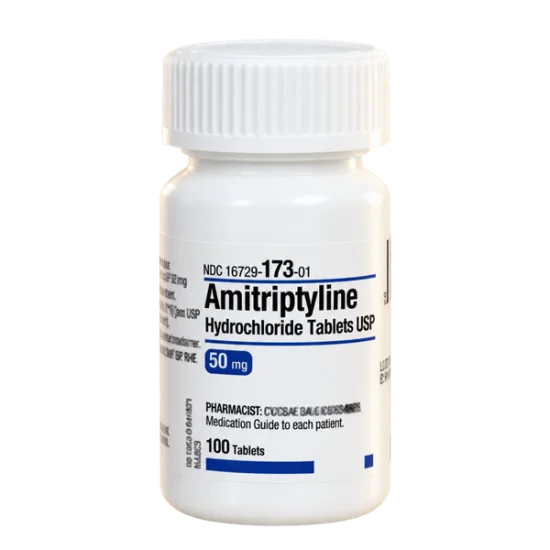
Your order will be securely packed and shipped within 24 hours. This is exactly what your package will look like (images of an actual item sent). It has the size and look of a regular private letter (24x11x0.7 cm) and its contents cannot be seen.

Comparison

Compare treatments for Antidepressants

Sources

  1. U.S. Food and Drug Administration (2018). Amitriptyline Hydrochloride Tablets, USP: Prescribing Information.
  2. National Institute for Health and Care Excellence (2020). Neuropathic pain in adults: pharmacological management in non-specialist settings, CG173.
  3. Cochrane (2015). Amitriptyline for neuropathic pain in adults.

Amitriptyline: What Customers Say

3.7
Based on 5 reviews
Omar, 41 Fujairah Three weeks
Verified
Rating: 5 out of 5

I started it for burning foot pain. Sleep improved during the first week, and the pain became less distracting by the third week. Dry mouth was annoying, so I kept water nearby and used sugar-free gum.

1 Oct 2026
Mona, 66 Jebel Ali Two weeks
Verified
Rating: 3 out of 5

The night-time dose made me sleepy quickly, but I felt unsteady when getting up. My treatment plan was changed after I reported the dizziness. The pain benefit had not been clear yet.

13 Oct 2026
Rajesh, 51 Al Dhaid Six weeks
Verified
Rating: 3.5 out of 5

My headaches became less frequent after several weeks. I still had occasional constipation and did not like the morning grogginess. Taking it consistently in the evening made the routine easier.

15 Oct 2026
Hina, 66 Umm Al Quwain One month
Verified
Rating: 3 out of 5

It helped me sleep, but my mouth felt very dry and my vision seemed blurred at times. I stopped driving until the effect was reviewed. The improvement was useful, though the side effects were not minor for me.

23 Oct 2026
Hamza, 39 Jumeirah Four weeks
Verified
Rating: 4 out of 5

The first few nights were difficult because I felt heavy and tired the next day. By the fourth week, my nerve pain was easier to manage and I was waking less often. I needed patience before judging the result.

27 Oct 2026
Get our free app Shop faster and track your orders Install