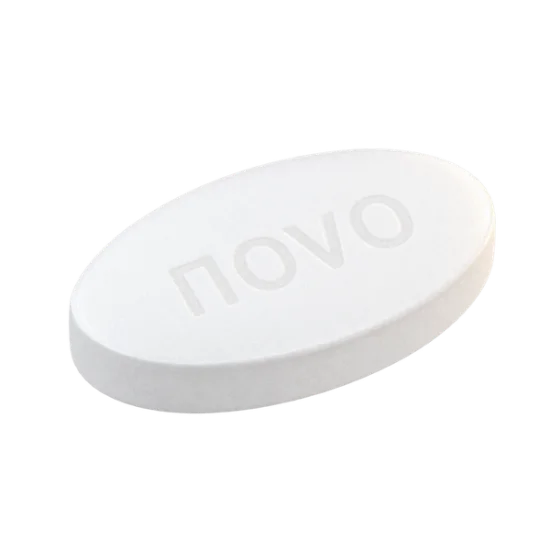
I used the tablet for several weeks with my diabetes treatment. The first days brought nausea after breakfast, so I changed to smaller meals. My morning readings became easier to manage, but I still needed to follow my meal plan.
Rybelsus tablets are taken by mouth on an empty stomach for adults with type 2 diabetes. The active ingredient, semaglutide, activates GLP-1 receptors to improve glucose-dependent insulin release and reduce glucagon activity. It may also reduce appetite and body weight during diabetes treatment.
About this product
Rybelsus contains semaglutide, an oral glucagon-like peptide-1 receptor agonist, usually abbreviated as a GLP-1 receptor agonist. It is prescribed for adults with type 2 diabetes when blood-glucose control requires pharmacological treatment alongside diet and physical activity. Rybelsus is manufactured by Novo Nordisk and is supplied as tablets for oral administration.
Pharmacological action
Rybelsus acts at several points in the glucose-regulation system:
- It increases insulin secretion from pancreatic beta cells when blood glucose is elevated.
- It reduces glucagon secretion, which lowers the liver’s release of stored glucose.
- It slows gastric emptying, especially after treatment begins.
- It influences appetite-related brain pathways and may reduce food intake.
- It can improve glycated haemoglobin and fasting blood-glucose levels over time.
GLP-1 receptor activation is the central mechanism. When glucose rises after a meal, semaglutide helps the pancreas release more insulin. At the same time, reduced glucagon signalling tells the liver to release less glucose into the bloodstream. This coordinated effect differs from medicines that act mainly by increasing insulin sensitivity or increasing glucose elimination through the kidneys.
Rybelsus does not produce the same glucose-lowering pattern in every person. Results depend on kidney function, meal patterns, physical activity, diabetes duration, other medicines, and the prescribed dose. People using insulin or a sulfonylurea may need adjustment of those treatments because combining glucose-lowering medicines can increase hypoglycaemia risk.
What it contains
Semaglutide resembles the naturally occurring hormone GLP-1. After absorption, it interacts with GLP-1 receptors in the pancreas, brain, stomach, and other tissues involved in glucose and appetite regulation. The medicine works most strongly when blood glucose is elevated, which helps explain why hypoglycaemia risk is lower when Rybelsus is used without insulin or a sulfonylurea.
The tablet must be taken as a whole. Its administration instructions are stricter than those for many standard diabetes tablets because food, beverages, and other oral medicines can reduce semaglutide absorption.
Active ingredient profile
Semaglutide is a long-acting GLP-1 receptor agonist. It does not replace insulin and does not work by forcing insulin release when glucose is low. The glucose-dependent action supports blood-glucose control while limiting, though not eliminating, the possibility of hypoglycaemia.
Rybelsus is intended for type 2 diabetes management. It is not a general-purpose appetite tablet, and its use for weight reduction alone differs from the approved treatment purpose of the product. The United States Food and Drug Administration describes semaglutide tablets as an adjunct to diet and exercise for adults with type 2 diabetes [1].
Directions for use
Treatment response is monitored over time. Dosing follows a prescribed escalation schedule.
Administration and absorption
Semaglutide absorption from the gastrointestinal tract is limited. The tablet’s specific administration routine helps maximise the amount reaching the bloodstream. Taking it with breakfast, coffee, juice, or a large glass of water can reduce exposure.
A practical detail often missed: waiting 30 minutes applies even when the first drink is tea or coffee. Plain water is the appropriate liquid for the tablet.
The tablet should remain intact. Crushing or chewing may change how the medicine is released and can make the intended absorption pattern less predictable.
Reasons not to use it
- You have had a serious allergic reaction to semaglutide or an excipient in the tablet.
- You have a personal or family history of medullary thyroid carcinoma or multiple endocrine neoplasia type 2, where the relevant product warning applies.
- You are pregnant and treatment is being used for diabetes control without a pregnancy-specific plan.
- You have severe gastrointestinal disease with delayed stomach emptying, such as clinically significant gastroparesis.
- You have active pancreatitis or a history that requires a specialist assessment before treatment.
- You cannot reliably follow the empty-stomach administration routine.
- You are using another semaglutide product or another GLP-1 receptor agonist without explicit prescribing instructions.
Rybelsus can affect the absorption of oral medicines because it delays gastric emptying. Medicines with a narrow therapeutic index require careful monitoring. Insulin and sulfonylureas can increase hypoglycaemia risk when combined with semaglutide. Warfarin, levothyroxine, anticonvulsants, and other medicines requiring stable blood concentrations may also need review.
When this is not for you
Rybelsus is not suitable for everyone. It is not for you if:
- You have had a serious allergic reaction to semaglutide or an excipient in the tablet.
- You have a personal or family history of medullary thyroid carcinoma or multiple endocrine neoplasia type 2, where the relevant product warning applies.
- You are pregnant and treatment is being used for diabetes control without a pregnancy-specific plan.
- You have severe gastrointestinal disease with delayed stomach emptying, such as clinically significant gastroparesis.
- You have active pancreatitis or a history that requires a specialist assessment before treatment.
- You cannot reliably follow the empty-stomach administration routine.
- You are using another semaglutide product or another GLP-1 receptor agonist without explicit prescribing instructions.
Kidney injury has been reported after severe vomiting or diarrhoea. People with chronic kidney disease should report reduced urination, marked thirst, dizziness, or ongoing gastrointestinal symptoms promptly.
Adverse reactions
Digestive symptoms are the most frequent unwanted effects associated with Rybelsus. They often appear during treatment initiation or after a dose increase and may ease as the body adjusts.
Common reactions include:
- Nausea
- Diarrhoea
- Vomiting
- Abdominal discomfort
- Constipation
- Reduced appetite
- Indigestion
Nausea does not mean the treatment is damaging the stomach, but repeated vomiting requires medical attention because fluid loss can affect kidney function. Diarrhoea can have the same problem, especially in older adults or people already taking diuretics.
Hypoglycaemia is more likely when Rybelsus is combined with insulin or a sulfonylurea. Warning signs include sweating, shaking, palpitations, sudden hunger, dizziness, blurred vision, confusion, or unusual weakness. The treatment plan for the accompanying medicine may need adjustment.
Rare but serious reactions include acute pancreatitis, gallbladder disease, severe allergic reactions, and worsening diabetic retinopathy in susceptible patients. The EMA product information identifies gastrointestinal reactions and pancreatitis warnings among the clinically relevant safety considerations for semaglutide [3].
Another practical detail concerns eye symptoms. Rapid improvement in glucose control can be associated with worsening diabetic retinopathy in some people with pre-existing retinal disease. New blurred vision, dark spots, or visual loss should be assessed promptly.

Uses
It is prescribed for adults with type 2 diabetes when blood-glucose control requires pharmacological treatment alongside diet and physical activity.
Rybelsus is prescribed for type 2 diabetes. Weight-management products containing semaglutide have separate approved indications, administration routes, and treatment criteria. Using Rybelsus solely for weight reduction is outside the main approved purpose described in the product information.
Comparison
Rybelsus is the oral semaglutide option in this group. Several related medicines use injectable administration or different receptor activity.
| Treatment | Active ingredient and route | Main clinical distinction |
|---|---|---|
| Rybelsus | Oral semaglutide tablet | Daily oral GLP-1 receptor agonist for type 2 diabetes |
| Ozempic or Wegovy | Injectable semaglutide | Injectable semaglutide products with different approved indications |
| Mounjaro | Injectable tirzepatide | Dual GIP and GLP-1 receptor agonist |
| Trulicity or Saxenda | Injectable dulaglutide or liraglutide | Injectable medicines with different dosing schedules and indications |
Rybelsus may suit a person who prefers tablets and can follow the empty-stomach administration routine. An injectable option may be selected when a person needs a different dosing schedule, has difficulty absorbing oral medicines, or requires a treatment with a specific cardiovascular or weight-management indication.
Mounjaro activates both GIP and GLP-1 receptors, while Rybelsus activates GLP-1 receptors. Ozempic and Wegovy contain semaglutide but are administered by injection and are authorised for different treatment purposes. Trulicity contains dulaglutide, and Saxenda contains liraglutide.
These medicines should not be substituted tablet-for-injection or injection-for-tablet without a prescribed treatment plan. Their strengths, escalation schedules, indications, and clinical outcomes are not interchangeable. NICE guidance for type 2 diabetes places treatment choice within the context of glycaemic control, cardiovascular disease, kidney disease, body weight, and patient preference [2].
Common mistakes
Several practical errors can make Rybelsus appear less effective or increase unwanted effects:
- Taking the tablet with coffee, tea, juice, or breakfast instead of plain water.
- Drinking a large volume of water with the tablet.
- Eating before the required waiting period has passed.
- Taking vitamins, antacids, or other tablets at the same time.
- Crushing, chewing, or splitting the tablet.
- Increasing the dose early because appetite or glucose has not changed yet.
- Taking an extra tablet after a missed dose.
- Ignoring repeated vomiting or severe abdominal pain.
- Failing to mention insulin or sulfonylurea treatment.
- Stopping abruptly without a diabetes-management plan.
What doctors say
In clinical practice, doctors usually set expectations around gradual improvement rather than an immediate change in glucose readings. The treatment is assessed through home glucose data, glycated haemoglobin, body weight, digestive tolerance, and any episodes of low blood sugar.
A physician may prefer Rybelsus when oral therapy is acceptable and the person can take the tablet correctly each morning. A different treatment may be preferred when severe gastrointestinal symptoms, advanced retinopathy, recurrent pancreatitis, or difficulty following the administration routine creates a poor risk-benefit balance.
Consistency matters more than taking an occasional extra tablet. Semaglutide remains active for a prolonged period, so dose changes should follow the planned escalation schedule rather than daily self-adjustment.
Questions and answers
Can Rybelsus affect driving, concentration, or work with machinery?
Rybelsus does not usually impair driving directly, according to semaglutide product information reviewed by the FDA in 2019. Concentration can be affected indirectly by hypoglycaemia, dizziness, dehydration, or severe gastrointestinal symptoms. Extra care is needed when Rybelsus is combined with insulin or a sulfonylurea because low blood sugar can occur during driving or machinery work.
Which condition rules out Rybelsus?
A personal or family history of medullary thyroid carcinoma or multiple endocrine neoplasia type 2 is a specific condition that rules out semaglutide treatment under the FDA prescribing information from 2019. A previous serious allergic reaction to semaglutide or an excipient also prevents use. Severe gastroparesis and active pancreatitis require a separate clinical assessment because Rybelsus may worsen gastrointestinal problems or complicate monitoring.
Can the Rybelsus tablet be split, crushed, or chewed?
The tablet should be swallowed whole, as described in the EMA product information issued in 2020. Splitting, crushing, or chewing can alter tablet handling and may interfere with the intended absorption routine. Take it with a small amount of plain water rather than mixing it into food or a drink.
Can people under 18 use Rybelsus?
Rybelsus is intended for adults, and the EMA product information from 2020 does not establish routine use in children or adolescents. Treatment under 18 requires a specialist decision based on the individual diagnosis and available evidence. A child or teenager should not use an adult’s tablets for glucose control or weight reduction.
Should Rybelsus be taken with food or on an empty stomach?
Rybelsus should be taken on an empty stomach, as specified by Novo Nordisk product information from 2025. Take it after waking with plain water, then wait at least 30 minutes before food, drinks other than water, or other oral medicines. Taking it with food may reduce semaglutide absorption and weaken the expected response.
Which symptoms require stopping Rybelsus and seeking urgent medical help?
Severe or persistent abdominal pain, repeated vomiting, difficulty breathing, facial or throat swelling, fainting, or severe confusion requires urgent medical assessment. The EMA Rybelsus product information from 2020 advises prompt medical assessment of serious or unexpected symptoms rather than self-management. Severe low blood sugar, reduced urination after vomiting or diarrhoea, and sudden visual changes also need urgent attention.
Can Rybelsus be used during pregnancy or breastfeeding?
Rybelsus is not recommended for weight reduction during pregnancy, and semaglutide treatment requires a pregnancy-specific medical plan, according to NICE guidance updated in 2022. People planning pregnancy should discuss treatment in advance because semaglutide has a prolonged presence in the body. Breastfeeding decisions also require review of diabetes control, alternative treatment, and the limited clinical information available for semaglutide exposure through breast milk.
Do you offer anonymous delivery?
Your order will be securely packed and shipped within 24 hours. This is exactly what your package will look like (images of an actual item sent). It has the size and look of a regular private letter (24x11x0.7 cm) and its contents cannot be seen.
Comparison
Actos
Empagliflozin
Forxiga
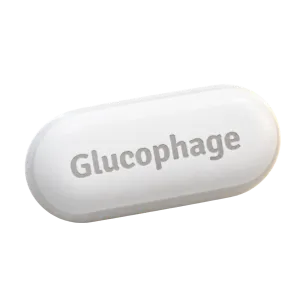
Glucophage
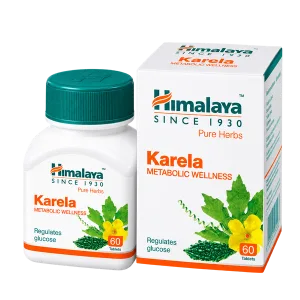
Karela
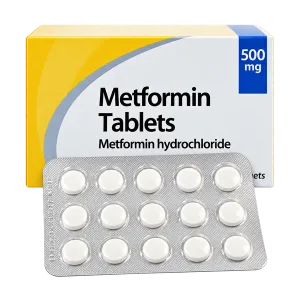
Metformin
Sources
- U.S. Food and Drug Administration (2019). RYBELSUS (semaglutide) tablets, for oral use: Prescribing Information.
- National Institute for Health and Care Excellence (2022). Type 2 diabetes in adults: management.
- European Medicines Agency (2020). Rybelsus: European public assessment report.