Skip to content
Karela
Active ingredient: Karela

Karela

Quality products
24/7 Support
Fast delivery
Delivery from 4 days
Select pack Package Per unit Price

Free delivery on orders from AED 796.00, free express delivery from AED 1,194.00

Secure Payments
Track your order
Best price guarantee

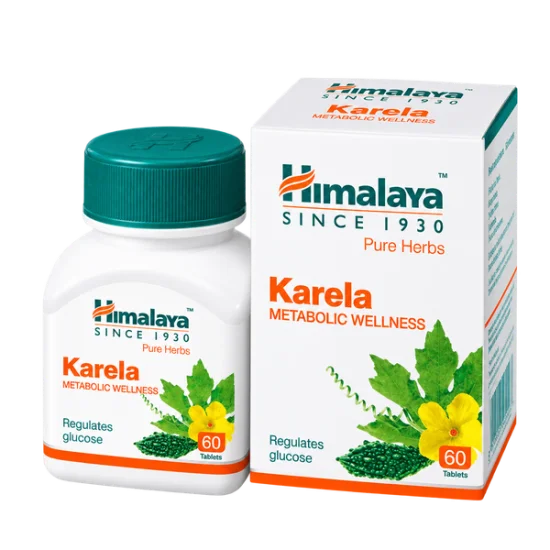
Karela supports metabolic wellness through bitter melon, a traditional botanical associated with glucose regulation. It is intended for adults seeking nutritional support alongside balanced eating and prescribed diabetes care.

About this product

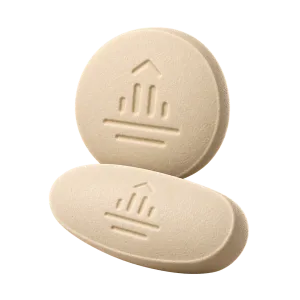
Karela is a tablet supplement based on bitter melon, botanically known as Momordica charantia. The product is positioned for metabolic wellness and glucose support. Its role is nutritional and complementary rather than a substitute for diabetes treatment prescribed by a clinician.

Pharmacological action

Bitter melon has been investigated for possible support of blood glucose control. Laboratory research has identified plant constituents that may influence glucose uptake, insulin signalling, and carbohydrate metabolism. These findings explain the interest in Karela, but laboratory activity does not prove that every tablet produces a clinically meaningful reduction in glucose.

What it contains

Karela is a tablet supplement based on bitter melon, botanically known as Momordica charantia. The product is positioned for metabolic wellness and glucose support. Its role is nutritional and complementary rather than a substitute for diabetes treatment prescribed by a clinician.

Essential Micronutrients and Plant Compounds

Bitter melon is a plant food that may provide dietary fiber, calcium, potassium, and beta-carotene when consumed as food. A tablet product should not automatically be treated as a concentrated source of each nutrient unless its formulation provides measured amounts.

  • Dietary fiber contributes to normal bowel function and can slow the absorption of carbohydrates when present in a meal.
  • Calcium supports bones, teeth, muscle contraction, and normal nerve signalling.
  • Potassium contributes to normal muscle function and helps maintain fluid and electrolyte balance.
  • Beta-carotene is a plant carotenoid that the body can convert into vitamin A, which supports normal vision and immune function.
  • Bitter melon compounds have been studied for possible effects on glucose transport and carbohydrate-processing pathways.

The human evidence for bitter melon and blood glucose remains mixed. A Cochrane review of herbal medicines for type 2 diabetes found that available studies were limited by small sample sizes and variable preparation methods [1]. That distinction matters because food-based bitter melon, juice, powder, and tablets are not interchangeable.

Use Karela as a consistent supplement routine rather than changing the amount from day to day. Record glucose readings separately so you can identify a real pattern instead of relying on how you feel.

Directions for use

How much Karela to use and how often depends on the purpose of use and is agreed with a doctor or pharmacist. The tablets are taken orally. Do not create a higher-dose routine to pursue faster glucose changes.

Practical use points include:

  • take the agreed amount at a consistent time;
  • swallow the tablet with water unless a healthcare professional has given different instructions;
  • avoid changing prescribed diabetes medicines because of a glucose reading after starting Karela;
  • keep a record of symptoms and glucose measurements if you monitor glucose at home;
  • treat a missed dose according to the agreed plan rather than doubling the next intake.

Karela is a supplement, not an emergency treatment for high or low blood glucose. Severe thirst, vomiting, deep or rapid breathing, confusion, fainting, or inability to keep fluids down require urgent medical care.

Do not take an extra tablet after a missed dose unless your clinician has specifically instructed that plan. Doubling a botanical supplement can make it harder to identify the cause of dizziness or low glucose.

Reasons not to use it

Karela is contraindicated or requires avoidance in the following situations:

  • allergic reaction to bitter melon or another ingredient in the formulation;
  • pregnancy, planned pregnancy, or breastfeeding unless a qualified clinician has specifically approved its use;
  • recurrent hypoglycaemia or difficulty recognising low-glucose symptoms;
  • severe vomiting, dehydration, or an acute illness affecting food and fluid intake;
  • preparation for surgery when the surgical team has asked the person to stop non-essential supplements;
  • use in children without specialist advice.

Potential interactions are most relevant with insulin and glucose-lowering medicines because combined effects may increase the risk of hypoglycaemia. People taking medicines for blood pressure, clotting, or other chronic conditions should have the full regimen reviewed before adding a botanical product.

The European Medicines Agency’s herbal-medicinal-product guidance stresses that safety assessment must consider the plant preparation, exposure, interactions, and vulnerable groups [4]. That principle applies to Karela: the same botanical name does not guarantee identical strength across all preparations.

When this is not for you

This may not be suitable for you if you have reacted to bitter melon or any ingredient in the tablets, are pregnant or breastfeeding, or have repeated episodes of low blood glucose. Talk to a qualified clinician before use if you are dehydrated, vomiting, acutely unwell, preparing for surgery, taking insulin or other glucose-lowering medicines, or considering it for a child.

Adverse reactions

Bitter melon products may cause digestive symptoms such as abdominal discomfort, nausea, diarrhoea, or a bitter aftertaste. Some people may experience dizziness or weakness if glucose falls, especially when Karela is combined with insulin or other glucose-lowering medicines.

Possible tolerability concerns include:

  • stomach upset after taking the tablet;
  • loose stools or abdominal cramping;
  • headache or dizziness;
  • allergic symptoms such as rash, swelling, wheezing, or itching;
  • symptoms consistent with low blood glucose.

Stop using Karela and seek urgent medical attention for facial or throat swelling, breathing difficulty, fainting, severe confusion, seizure, or persistent vomiting. A milder stomach reaction may settle, but recurring symptoms still warrant a review of the routine and other medicines.

One detail patients often miss is that low glucose can feel like anxiety: trembling, sweating, irritability, and a racing heartbeat may appear before a glucose reading is available. Another is that a supplement can complicate the interpretation of a new symptom when several medicines or dietary changes were started together.

Keep Karela separate from major treatment changes when possible. Starting it during the same week as a new diabetes medicine makes it difficult to identify which product caused a glucose change or digestive reaction.

Uses

Karela may be relevant to adults who want botanical support for:

  • maintaining a balanced approach to carbohydrate intake;
  • supporting healthy blood glucose habits;
  • combining nutrition, movement, sleep, and monitoring into a metabolic routine;
  • maintaining general wellness when glucose levels are already being managed.

The product should not be presented as a treatment for diabetes, hypertension, obesity, or liver disease. Claims that Karela independently controls blood pressure, causes weight loss, or “cleanses” the liver go beyond the evidence available for bitter melon tablets.

A practical benefit is routine awareness. Taking a supplement often encourages people to pay closer attention to meals, glucose readings, and activity. The limitation is equally clear: improved habits may account for some changes attributed to a tablet, and a supplement cannot compensate for persistently high glucose or an unsuitable diabetes regimen.

If you use insulin or a sulfonylurea, monitor for symptoms such as sweating, shaking, sudden hunger, dizziness, or confusion after starting Karela. These symptoms can indicate low blood glucose and require prompt attention.

The National Center for Complementary and Integrative Health describes bitter melon as a traditional plant used for diabetes-related purposes, while also noting that human research remains insufficient for firm conclusions [2].

Comparison

Approach Main role Key limitation
Karela tablets Botanical support associated with bitter melon and glucose metabolism Human evidence is limited and preparation-dependent
High-fiber dietary pattern Slows carbohydrate absorption and supports bowel regularity Requires regular dietary consistency
Prescribed glucose-lowering treatment Targets defined pathways with studied dosing and monitoring May cause adverse effects or low glucose depending on the medicine

A prescription treatment and a botanical supplement cannot be judged by the same standard. Prescription medicines undergo defined dosing, quality controls, and clinical evaluation for specific conditions. Karela can be considered an adjunct to healthy habits, but it does not provide a replacement treatment plan for diabetes.

The American Diabetes Association’s Standards of Care emphasise individualised glucose targets, monitoring, nutrition, physical activity, and evidence-based medicines where indicated [3]. Karela can sit beside those measures only when its use does not interfere with the existing plan.

Common mistakes

Several habits can reduce the value of Karela or create avoidable risk:

  • treating the supplement as a replacement for prescribed diabetes treatment;
  • doubling the intake after a missed tablet;
  • starting Karela while also making several unrecorded diet changes;
  • ignoring sweating, shaking, dizziness, or confusion as possible low glucose;
  • assuming “natural” means free from interactions;
  • using Karela during vomiting, dehydration, or prolonged fasting;
  • judging the product from one glucose reading;
  • failing to tell a clinician about the supplement before surgery or a medication change.

A frequent practical error is taking a tablet during a long fasting interval and then blaming the product for symptoms that may reflect inadequate food intake. A food and glucose diary can clarify the pattern, especially during the first weeks.

What doctors say

In clinical practice, doctors usually frame bitter melon as a supportive dietary product rather than a primary glucose-lowering therapy. The main questions are whether the person has diagnosed diabetes, which medicines are already being taken, whether glucose readings are stable, and whether symptoms of low glucose have occurred.

A clinician would also distinguish fasting glucose from readings after meals. One isolated reading does not show that Karela has changed long-term control. HbA1c reflects a longer period and is more useful for assessing sustained management than a single home measurement.

The most useful expectation is modest. Karela may be included in a structured wellness routine, but persistent high readings, unexplained weight loss, excessive thirst, or frequent urination need proper diabetes assessment. Continuing normal meals and prescribed treatment is essential unless a clinician changes the plan.

Questions and answers

Can older adults use Karela?

Older adults may use Karela only after the full medicine and health history has been considered. A pharmacist can also help identify potential interactions before use. The American Geriatrics Society’s 2023 medication-safety principles support reviewing supplements alongside prescription and non-prescription medicines because older adults may have several treatments at once. Greater caution is needed with kidney disease, reduced appetite, recurrent falls, or previous hypoglycaemia. Any new dizziness, weakness, confusion, or loss of balance deserves prompt attention.

Does Karela affect driving, concentration, or work with machinery?

Karela is not intended to impair concentration, but dizziness, weakness, blurred vision, or low blood glucose can make driving and machinery work unsafe. Guidance from the UAE Ministry of Health and Prevention in 2025 emphasises practical safety around medicines and chronic disease management, including recognising symptoms that affect alertness. Do not drive if you feel shaky, confused, faint, unusually sleepy, or unable to concentrate. The risk is more relevant when Karela is combined with glucose-lowering treatment or taken after inadequate food intake.

Can people under 18 use Karela?

Routine use in people under 18 should not be assumed. The World Health Organization’s 2024 approach to herbal medicines supports age-specific evaluation because traditional use in adults does not automatically establish paediatric safety. Children and adolescents with glucose symptoms need assessment for the underlying cause rather than self-treatment with a botanical tablet. Use in a minor should follow a clinician’s explicit recommendation.

How soon might an effect from Karela become noticeable?

Some people notice digestive effects soon after taking a bitter melon product, while any change in glucose readings may vary with meals, activity, existing treatment, and the preparation used. A 2023 review indexed in PubMed described inconsistent clinical findings and differences between bitter melon preparations. There is no dependable timetable for a noticeable metabolic effect. Judge changes through repeated readings and clinical follow-up rather than a single result or a subjective feeling.

Which symptoms mean that Karela should be stopped and medical help sought urgently?

Stop using Karela and seek urgent help for fainting, severe confusion, seizure, difficulty breathing, facial or throat swelling, persistent vomiting, or symptoms of severe low glucose that do not improve. The American Diabetes Association’s 2025 standards treat confusion, loss of consciousness, and inability to self-treat as urgent concerns in the context of hypoglycaemia. Severe thirst with vomiting, deep breathing, or marked drowsiness can also signal a serious glucose problem. Do not attempt to manage these symptoms by taking additional Karela.

Can Karela tablets be split, crushed, or chewed?

The tablets should be swallowed whole unless a pharmacist or doctor confirms that splitting is suitable for this formulation. The National Center for Complementary and Integrative Health noted in 2024 that botanical products can differ in preparation and concentration, so tablet handling should not be assumed from another product. Crushing or chewing may worsen the bitter taste and can make the intended dose less predictable if the tablet has a special coating. A tablet-splitting plan is unsuitable when the tablet is not designed to divide evenly.

Do you offer anonymous delivery?

Your order will be securely packed and shipped within 24 hours. This is exactly what your package will look like (images of an actual item sent). It has the size and look of a regular private letter (24x11x0.7 cm) and its contents cannot be seen.

Comparison

Compare treatments for Diabetes

Sources

  1. Cochrane (2014). Herbal medicines for treatment of diabetes mellitus.
  2. National Center for Complementary and Integrative Health (2024). Bitter Melon.
  3. American Diabetes Association (2025). Standards of Care in Diabetes—2025.
  4. European Medicines Agency (2017). Guideline on Quality of Herbal Medicinal Products/Traditional Herbal Medicinal Products.

Karela: What Customers Say

3.5
Based on 3 reviews
Karim K., 47 Umm Al Quwain Six weeks
Verified
Rating: 3.5 out of 5

I added them to my morning routine while keeping my usual diabetes medicine and meals. I did not notice a dramatic change, but my readings seemed less variable when I also reduced sweet drinks. I had a bitter taste on some mornings.

9 Oct 2026
Yousef, 39 Abu Dhabi About one month
Verified
Rating: 4 out of 5

The tablets were easy to swallow and I had no stomach trouble. I expected faster results and felt disappointed after the first two weeks, so I stopped relying on feelings and started recording my readings. The routine was more useful when combined with regular walking.

22 Oct 2026
Hamza D., 47 Ras Al Khaimah Several weeks
Verified
Rating: 3 out of 5

I felt shaky and sweaty on one afternoon after taking my diabetes treatment and eating very little. I treated the symptoms as possible low sugar and arranged a medication review instead of taking more Karela. I have been more cautious since then.

5 Nov 2026
Get our free app Shop faster and track your orders 3.8 · 441 reviews Install