Skip to content
Empagliflozin
Active ingredient: Empagliflozin

Empagliflozin

Quality products
24/7 Support
Fast delivery
Delivery from 4 days
Select pack Package Per unit Price

Free delivery on orders from AED 796.00, free express delivery from AED 1,194.00

Secure Payments
Track your order
Best price guarantee

Empagliflozin helps the kidneys remove excess glucose through urine, lowering blood sugar in adults with type 2 diabetes. It is used alongside diet, physical activity, and other diabetes treatments when appropriate.

About this product

Empagliflozin belongs to the sodium-glucose cotransporter 2 (SGLT2) inhibitor class. Empagliflozin is the active pharmaceutical ingredient responsible for SGLT2 inhibition.

Pharmacological action

SGLT2 proteins normally reclaim filtered glucose in the proximal tubule of the kidney and return it to the bloodstream. Empagliflozin reduces this reabsorption, allowing more glucose to leave the body in urine [1].

The resulting glucose loss lowers blood glucose without directly stimulating pancreatic insulin release. The medicine also increases urinary sodium excretion and produces a mild osmotic diuretic effect. These changes can reduce intravascular pressure and cardiac workload.

What it contains

Empagliflozin is the active pharmaceutical ingredient in this medicine. It belongs to the sodium-glucose cotransporter 2 (SGLT2) inhibitor class and helps the kidneys remove excess glucose through urine.

Directions for use

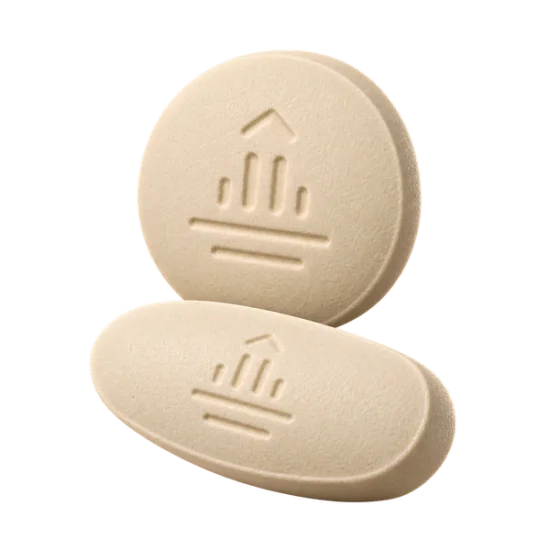
Empagliflozin tablets are taken by mouth once daily when prescribed. The selected regimen must be confirmed with a healthcare professional before starting, because the appropriate strength and continuation criteria depend on the indication and estimated glomerular filtration rate.

Practical administration points include:

  • Take the tablet at the same time each day.
  • Swallow it with water.
  • It may be taken with food or on an empty stomach.
  • Morning administration may be useful when increased urination is inconvenient at night.
  • Maintain regular fluid intake unless a clinician has prescribed fluid restriction.
  • Do not take an extra tablet to compensate for a missed dose.
  • If a dose is remembered later on the same day, follow the prescribed missed-dose instructions; if it is nearly time for the next dose, skipping the missed dose may be appropriate.

Hydration needs individual adjustment. People with heart failure, kidney disease, or fluid restrictions should not deliberately increase fluids without clinical direction.

Vomiting, diarrhoea, fever, or inability to drink can make an SGLT2 inhibitor unsafe temporarily. These situations require a specific sick-day plan because dehydration can develop before blood glucose appears severely elevated.

Treatment may need temporary interruption before major surgery or during prolonged fasting. The timing depends on the planned procedure and the patient’s clinical condition. The prescribing team should provide the restart plan.

Reasons not to use it

  • Serious allergy to the active ingredient or any tablet component.
  • Severe dehydration.
  • Active ketoacidosis.
  • A clinical situation in which the prescriber has judged SGLT2 inhibition unsuitable.
  • Type 1 diabetes outside specialist-directed settings because of ketoacidosis risk.
  • Pregnancy and breastfeeding require a separate treatment decision.
  • Temporary interruption may be necessary during major surgery, prolonged fasting, severe infection, or acute gastrointestinal illness.

When this is not for you

This medicine may not be suitable for you if you have a serious allergy to empagliflozin or a tablet component, severe dehydration, ketoacidosis, or type 1 diabetes unless you are under specialist direction. Talk with your prescriber before treatment if you are pregnant or breastfeeding, have severe illness, or are facing major surgery or prolonged fasting.

Adverse reactions

Common tolerability problems result from glucose in the urine and increased urinary fluid loss. Genital fungal infections may affect women and men. Urinary tract infections, increased urination, thirst, dizziness, and low blood pressure can also occur.

The risk of hypoglycaemia is usually low when empagliflozin is used alone, because it does not force insulin release. The risk rises when it is combined with insulin or medicines that stimulate insulin secretion. Dose adjustment of those medicines may be required.

Less common but serious reactions include:

  • Euglycaemic diabetic ketoacidosis, which can occur with only moderately elevated blood glucose.
  • Severe dehydration or symptomatic hypotension.
  • Serious urinary or genital infections.
  • Acute kidney injury, especially during fluid loss or use with other medicines that affect kidney perfusion.
  • Severe allergic reactions.
  • Rare necrotising infection of the perineal region.

Warning symptoms of ketoacidosis include nausea, vomiting, stomach pain, unusual tiredness, rapid or deep breathing, confusion, and a fruity breath odour. Blood glucose may not be extremely high, so these symptoms require urgent assessment rather than reassurance from a seemingly modest glucose reading [2].

Burning urination with fever, flank pain, or feeling acutely unwell needs prompt medical assessment. A mild change in urine frequency is different from infection accompanied by pain, fever, or back tenderness.

Genital irritation, itching, soreness, or unusual discharge should be reported early. Prompt treatment can prevent a local infection from becoming more severe.

Uses

It is used alongside diet, physical activity, and other diabetes treatments when appropriate. By blocking SGLT2 in the kidney, it may also reduce hospitalisation for heart failure and cardiovascular risk in selected adults. Its benefits depend on the indication and the patient's clinical status.

Comparison

Treatment category Main mechanism Main limitation
Empagliflozin and other SGLT2 inhibitors Increase urinary glucose and sodium excretion Genital infections, dehydration, and ketoacidosis risk during stress
Metformin-type therapy Reduces hepatic glucose production and improves insulin sensitivity Gastrointestinal effects; restricted use in some renal conditions
GLP-1 receptor agonist therapy Enhances glucose-dependent insulin release and reduces appetite Nausea, vomiting, and injectable administration for many products

Empagliflozin may be favoured when cardiovascular or kidney protection forms part of the treatment goal. Metformin-type treatment is often used for its effect on hepatic glucose production and long clinical experience. GLP-1 receptor agonist therapy may suit people whose treatment plan prioritises appetite reduction or stronger glucose lowering, though administration and tolerability differ.

The choice is not based on glucose alone. Kidney function, heart failure status, body weight, injection preferences, gastrointestinal tolerance, and hypoglycaemia risk all influence selection.

Common mistakes

Several patterns can reduce benefit or increase harm:

  • Taking the tablet inconsistently and expecting occasional doses to provide continuous cardiorenal protection.
  • Ignoring thirst, dizziness, or faintness while also taking a diuretic.
  • Continuing treatment through repeated vomiting or diarrhoea without a sick-day plan.
  • Assuming normal-looking glucose rules out ketoacidosis.
  • Stopping insulin abruptly after glucose improves.
  • Starting a strict ketogenic diet without discussing the added ketoacidosis risk.
  • Taking an extra tablet after a missed dose.
  • Crushing or chewing the tablet without confirmation that the formulation allows it.
  • Failing to report recurrent genital infections.
  • Using non-steroidal anti-inflammatory pain medicines during dehydration without considering kidney stress.
A urine glucose result may remain positive while empagliflozin is working. That result reflects the medicine’s mechanism and does not, by itself, prove treatment failure.

Food intake, fluid balance, infection symptoms, and changes in other medicines are more useful practical signals than urine glucose alone.

What doctors say

In clinical practice, physicians often describe empagliflozin as a medicine with two distinct roles: glucose lowering and cardiorenal risk reduction. The best choice depends on whether the main goal is glycaemic control, heart failure management, kidney protection, or a combination of these aims.

A doctor will usually review renal function, blood pressure, hydration, genital infection history, and concurrent diuretic or insulin treatment. Baseline assessment is useful because a small early change in kidney filtration can occur after starting an SGLT2 inhibitor, while longer-term kidney outcomes may improve in appropriate patients.

The American Diabetes Association treatment standards published for 2025 place SGLT2 inhibitors within evidence-based approaches for adults with type 2 diabetes and relevant cardiovascular or kidney disease [3]. NICE guidance also provides an evidence-based framework for selecting glucose-lowering treatment according to clinical need. This does not mean every patient should receive the same regimen. The indication remains central.

One practical point is often missed: a person can develop ketoacidosis without dramatically high glucose. Reduced food intake, heavy alcohol use, acute infection, dehydration, and very low carbohydrate diets can increase risk.

Questions and answers

Can Empagliflozin be taken with food or on an empty stomach?

Empagliflozin may generally be taken with food or without food, provided it is taken according to the prescribed daily schedule. The FDA prescribing information available in 2023 describes oral administration without requiring a meal relationship . Taking it earlier in the day may make increased urination easier to manage, though the timing should remain consistent.

Does Empagliflozin affect driving, concentration, or work with machinery?

Empagliflozin does not usually impair concentration directly. The main practical concern is dizziness or reduced alertness from dehydration or hypoglycaemia when it is combined with insulin or an insulin secretagogue. NHS medicine guidance updated for 2024 advises caution until a person knows how treatment affects them, especially during illness or after treatment changes [4].

Which symptoms mean stopping Empagliflozin and seeking urgent medical help?

Urgent assessment is needed for vomiting, abdominal pain, rapid breathing, confusion, severe weakness, or unusual drowsiness because these can indicate ketoacidosis even when glucose is not extremely high. Severe genital or urinary pain with fever, rapidly worsening swelling, or fainting also requires urgent medical attention. FDA safety information from 2023 identifies ketoacidosis and serious urinary or genital infections as important risks associated with SGLT2 inhibitors .

How does Empagliflozin differ from the closest alternative by mechanism?

Empagliflozin lowers glucose by reducing kidney reabsorption and increasing urinary glucose loss. Metformin-type treatment mainly reduces glucose production by the liver, while GLP-1 receptor agonist treatment acts through glucose-dependent insulin signalling and appetite-related pathways. The 2025 American Diabetes Association standards place these mechanisms within different treatment-selection pathways based on cardiovascular disease, kidney disease, weight goals, and hypoglycaemia risk .

Can the Empagliflozin tablet be split, crushed, or chewed?

The tablet should be swallowed whole unless the prescribed formulation has been specifically confirmed as suitable for splitting. Crushing or chewing can alter tablet handling and may make accurate administration more difficult. The European Medicines Agency Jardiance product information from 2024 supports following formulation-specific administration instructions rather than assuming every tablet can be altered [5].

Do you offer anonymous delivery?

Your order will be securely packed and shipped within 24 hours. This is exactly what your package will look like (images of an actual item sent). It has the size and look of a regular private letter (24x11x0.7 cm) and its contents cannot be seen.

Comparison

Compare treatments for Diabetes

Sources

  1. U.S. Food and Drug Administration (2023). Jardiance (empagliflozin) prescribing information
  2. U.S. Food and Drug Administration (2015). FDA Drug Safety Communication: FDA revises labels of SGLT2 inhibitors to include warnings about too much acid in the blood
  3. American Diabetes Association (2025). Standards of Care in Diabetes—2025
  4. National Health Service (2024). Empagliflozin: medicine advice and side effects
  5. European Medicines Agency (2024). Jardiance: EPAR — Product information

Empagliflozin: What Customers Say

4.1
Based on 5 reviews
Mona, 29 Ras Al Khaimah Several months
Verified
Rating: 5 out of 5

Mona, 29 - Ras Al Khaimah, had used empagliflozin for several months as part of a type 2 diabetes plan. She noticed more urination during the first week and preferred taking the tablet in the morning. She later reported steadier readings, although she needed extra attention to fluid intake during hot weather.

2 Oct 2026
Latifa, 27 Abu Dhabi The first month
Verified
Rating: 3.5 out of 5

Latifa, 27 - Abu Dhabi, described mild genital itching during the first month. Treatment from her clinician resolved it, and she continued empagliflozin with better awareness of early infection symptoms. She said the medicine was easy to take but disliked the increased thirst.

11 Oct 2026
Hessa, 32 Sharjah
Verified
Rating: 3.5 out of 5

Hessa, 32 - Sharjah, had taken the tablet alongside insulin. Her glucose improved, but she experienced dizziness after a stomach illness. Her treatment team advised a temporary sick-day plan and reviewed her fluid intake and other medicines.

17 Oct 2026
Huda, 57 Ajman
Verified
Rating: 5 out of 5

Huda, 57 - Ajman, reported that empagliflozin fitted well into a once-daily routine. She had heart failure as part of her medical history and valued the broader treatment goal. She still needed regular kidney monitoring and did not increase fluids freely because fluid restriction had been discussed.

22 Oct 2026
Priya S., 38 Jebel Ali
Verified
Rating: 3.5 out of 5

Priya S., 38 - Jebel Ali, stopped treatment briefly during prolonged vomiting after seeking clinical advice. She had not experienced ketoacidosis, but the episode made the sick-day instructions more practical for her. Before that event, she had found the tablet convenient and had noticed no major side effects.

29 Oct 2026
Get our free app Shop faster and track your orders 3.8 · 441 reviews Install