Skip to content
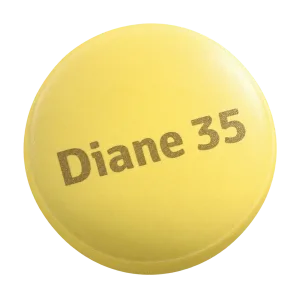
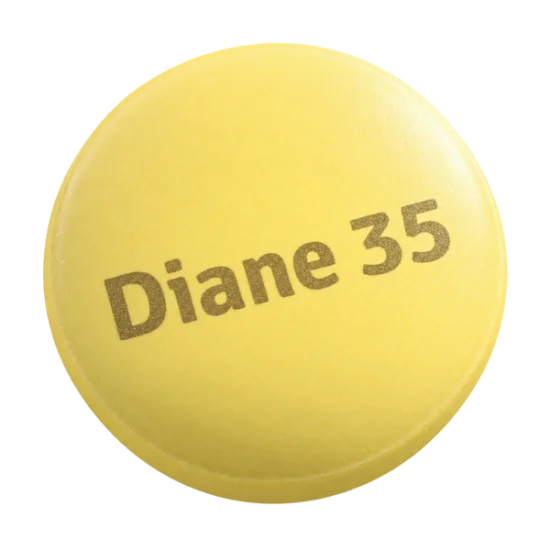
Diane 35
Active ingredient: Ethinylestradiol

Diane 35

Quality products
24/7 Support
Fast delivery
Delivery from 4 days
Select pack Package Per unit Price

Free delivery on orders from AED 796.00, free express delivery from AED 1,194.00

Secure Payments
Track your order
Best price guarantee

Diane 35 tablets are taken by mouth for androgen-related conditions in women, including persistent hormonal acne and excess facial or body hair. The treatment combines anti-androgen activity with hormonal regulation, so improvement develops gradually rather than after a single dose.

About this product

Diane 35 is an oral hormonal treatment used in women with androgen-dependent symptoms. Its clinical role is different from taking a tablet only for short-term skin relief: treatment addresses hormonal stimulation that can contribute to acne, oily skin, irregular bleeding patterns, or unwanted hair growth.

Pharmacological action

Diane 35 works through two complementary hormonal actions. One component reduces the effect of androgen hormones at sensitive tissues, while the estrogenic component supports suppression of ovarian androgen activity and helps regulate the menstrual cycle.

Androgens are hormones that can increase sebum production and stimulate hair follicles in women who are sensitive to them. Excess androgen effect may contribute to inflammatory acne, facial hair growth, or scalp hair thinning. Reducing that stimulation can gradually lessen oiliness and slow the growth of unwanted hair.

The anti-androgen action is clinically relevant because it targets the hormonal signal behind the symptom rather than drying the skin temporarily. Estrogenic activity also increases the production of sex-hormone-binding globulin in the liver, which can reduce the proportion of circulating androgen available to act on tissues.

The European Medicines Agency has reviewed the balance between benefits and venous thromboembolism risk for medicines containing cyproterone acetate with ethinylestradiol [1].

The World Health Organization also classifies combined hormonal contraception according to individual medical risk factors, rather than treating all users as having the same risk [2].

What it contains

Diane 35 is an oral hormonal treatment for women with androgen-related symptoms. It combines anti-androgen activity with hormonal regulation and is used for conditions such as persistent hormonal acne, oily skin, hirsutism, and some androgen-related symptoms associated with polycystic ovary syndrome. Use is agreed with a doctor or pharmacist.

Directions for use

The amount and frequency of Diane 35 depend on the purpose of treatment and are agreed with a doctor or pharmacist. The tablets are taken orally according to the prescribed cycle, usually at a consistent time each day.

Practical administration points include:

  • Swallow the tablet with water.
  • Take it at approximately the same time each day.
  • Follow the prescribed treatment cycle rather than changing the number of tablets independently.
  • If vomiting or severe diarrhoea occurs soon after a dose, contraceptive protection may be affected.
  • After a missed tablet, follow the missed-dose instructions supplied for the prescribed regimen and use additional contraceptive protection when required.
  • Do not double the next dose unless a healthcare professional has specifically instructed this.

A regular evening time can be useful for people who experience mild nausea, although consistency matters more than choosing morning or night. A phone reminder linked to a routine activity, such as brushing the teeth, can reduce missed doses.

Keep the dosing time attached to a daily habit that rarely changes. Weekend lie-ins, travel, and late work shifts are common reasons for missed hormonal tablets.

Diane 35 should not be started, stopped, or restarted solely to manage a temporary skin flare. The risk profile changes when treatment is combined with other estrogen-containing medicines, and the contraceptive plan may need reassessment after discontinuation.

Reasons not to use it

  • Current or previous deep-vein thrombosis, pulmonary embolism, stroke, or heart attack.
  • Known clotting disorders or a strong personal history suggesting thrombophilia.
  • Migraine with aura.
  • Severe liver disease or a liver tumour.
  • Hormone-sensitive breast cancer or another estrogen-sensitive cancer.
  • Unexplained vaginal bleeding.
  • Pregnancy or suspected pregnancy.
  • A recent major operation with prolonged immobilisation.
  • Uncontrolled severe hypertension.
  • Allergy to a component of the prescribed product.

Some medicines can reduce hormonal contraceptive reliability or alter hormone exposure. Important examples include enzyme-inducing medicines used for epilepsy, rifampicin-type antibiotics, certain medicines for HIV or hepatitis C, and the herbal antidepressant St John’s wort. Some medicines used for seizures can also require a different contraceptive strategy.

Diane 35 may alter the effect of some medicines, including medicines with a narrow therapeutic range. A complete medicine review should include prescribed medicines, over-the-counter products, herbal preparations, and supplements.

When this is not for you

Diane 35 may not be suitable if you have ever had a blood clot, stroke, heart attack, migraine with aura, severe liver disease, hormone-sensitive cancer, unexplained vaginal bleeding, uncontrolled high blood pressure, or a recent operation with prolonged immobility. It should not be used during pregnancy or suspected pregnancy, or if you are allergic to one of its components. Smoking, increasing age, obesity, and a personal or family history of clotting can make treatment riskier, so discuss these factors with a clinician before use.

Adverse reactions

Common effects of combined hormonal treatment can include nausea, breast tenderness, headache, mood changes, abdominal discomfort, and changes in menstrual bleeding. These effects may be more noticeable during the first treatment cycles and may lessen as the body adapts.

Some women experience improvement in oily skin and acne. Others notice breast discomfort, fluid retention, or a temporary change in bleeding patterns. A benefit for one symptom does not remove the possibility of an unwanted effect elsewhere.

Venous thromboembolism is the most serious safety concern. Symptoms may include one-sided leg swelling, pain in the calf or thigh, sudden shortness of breath, sharp chest pain, coughing blood, or unexplained rapid heartbeat. These symptoms require urgent medical assessment.

Arterial events are less common but can include stroke or heart attack. Sudden weakness on one side, difficulty speaking, facial drooping, severe chest pressure, or abrupt vision loss are emergency symptoms.

A new unilateral calf swelling is not a routine tablet side effect to monitor at home. Sudden leg swelling, chest pain, or breathlessness needs urgent medical attention, especially during combined hormonal treatment.

Headache needs context. A familiar mild headache may be monitored, while a new migraine with aura, flashing lights, temporary weakness, speech disturbance, or severe sudden headache requires prompt medical review.

Diane 35 is not suitable for everyone. Risk is influenced by age, smoking, body weight, personal or family history of thrombosis, prolonged immobility, migraine with aura, and certain medical conditions.

Uses

Diane 35 may be prescribed for androgen-related dermatological and endocrine symptoms, including:

  • Persistent inflammatory or hormonal acne.
  • Excess facial or body hair, known clinically as hirsutism.
  • Oily skin associated with androgen sensitivity.
  • Androgen-related symptoms occurring with polycystic ovary syndrome.
  • Contraceptive needs when hormonal treatment is also clinically appropriate.

Acne often improves gradually. Reduced oiliness may appear before deeper inflammatory lesions settle, while fuller skin improvement commonly requires several treatment cycles. Facial hair also changes slowly because existing hairs must complete their growth cycle before the reduction becomes easy to see. Follow-up helps assess whether the response is adequate and whether adverse effects have emerged. Persistent or worsening symptoms may require a different diagnosis or treatment plan.

Hirsutism may require additional treatment, such as physical hair-removal methods, because hormonal therapy reduces new stimulation but does not immediately remove existing hair. PCOS symptoms also vary between individuals; Diane 35 can address androgen-related features but does not correct every metabolic aspect of the syndrome.

A clinical decision should distinguish acne caused mainly by androgen sensitivity from acne driven by other factors. The same applies to hair growth: sudden or rapidly progressing hirsutism can require assessment for another endocrine cause.

Comparison

Treatment approach Main clinical role Key limitation
Diane 35 hormonal anti-androgen therapy Androgen-related acne, hirsutism, and selected PCOS symptoms Requires assessment of clotting and cardiovascular risk
Standard combined oral contraception Pregnancy prevention with possible cycle and acne benefits The anti-androgen effect may be less suitable for pronounced androgen symptoms
Topical acne treatment Local management of mild or moderate skin lesions Does not address ovarian or circulating androgen activity

Diane 35 may be preferred when androgen-related symptoms are prominent and a combined hormonal approach is medically suitable. A standard combined contraceptive may be considered when contraception is the primary goal and androgen symptoms are mild.

Topical treatment remains useful for individual acne lesions and may be used alongside a hormonal plan when clinically appropriate. Oral hormonal therapy is not a replacement for every acne treatment, especially when scarring acne needs direct dermatological management.

Common mistakes

Several practical errors can reduce benefit or create safety problems:

  • Expecting clear skin after a few tablets.
  • Stopping treatment as soon as acne begins to improve.
  • Restarting after a long gap without reviewing pregnancy risk and medical changes.
  • Taking Diane 35 alongside another hormonal contraceptive without clinical instruction.
  • Ignoring a new migraine pattern or neurological symptoms.
  • Assuming that light breakthrough bleeding always means the treatment has failed.
  • Forgetting to mention enzyme-inducing medicines or St John’s wort.
  • Treating sudden leg swelling as an ordinary menstrual or fluid-retention symptom.
  • Using Diane 35 solely for contraception when the individual clotting risk has changed.

One missed tablet and several missed tablets are not the same situation. Repeated missed doses may reduce contraceptive reliability and can produce irregular bleeding, so the response depends on the treatment week and the length of the interruption.

A further mistake is judging hair-growth treatment too early. Existing coarse hairs do not disappear immediately when androgen stimulation falls; visible improvement may require several months and additional hair-removal care.

What doctors say

Clinicians generally set two expectations before starting Diane 35. First, skin and hair symptoms usually improve over months, not days. Second, the potential benefit must be weighed against the patient’s clotting and cardiovascular profile.

A doctor may ask about previous clots, close relatives with early thrombosis, migraine symptoms, blood pressure, smoking, liver disease, and recent surgery. These questions are not routine formalities; each can alter whether combined hormonal treatment is appropriate.

In PCOS, the treatment can help androgen-related symptoms and provide cycle control, yet it does not replace assessment of glucose regulation, blood pressure, weight-related risk, or fertility goals. A patient planning pregnancy needs a different treatment strategy.

Tell the prescriber about any previous migraine symptoms involving flashing lights, blind spots, numbness, or speech changes. Migraine with aura carries different contraceptive considerations from migraine without aura.

Clinicians also review whether another estrogen-containing product is being used. Doubling hormonal exposure does not make acne improve twice as quickly and may increase avoidable risk.

Questions and answers

What is the best time of day to take Diane 35?

The best time is a consistent time that fits the prescribed schedule, such as after an evening meal or before bedtime. The European Medicines Agency's 2015 guidance on combined hormonal products supports regular daily use because missed tablets can reduce contraceptive reliability. A fixed routine can also make nausea easier to manage. The ideal time may change if another medicine must be separated from the hormonal tablet.

What should I do after a missed Diane 35 tablet?

Take action according to how many tablets were missed and where the interruption occurred in the treatment cycle. Guidance from the World Health Organization in 2015 treats a single late tablet differently from several missed tablets, especially when the hormone-free interval may become longer. Additional contraception may be needed after multiple missed tablets. Vomiting or severe diarrhoea can require the same precautions as a missed dose.

How does Diane 35 differ from a standard combined oral contraceptive?

Diane 35 is selected for its anti-androgen treatment role as well as hormonal contraceptive activity. Standard combined oral contraception may provide cycle control and some acne benefit, while the choice of progestogen can influence the degree of anti-androgen activity. The EMA’s cyproterone acetate review published in 2013 emphasised that treatment selection must reflect the indication and thromboembolism risk. A clinician may therefore choose a different combined formulation when contraception is the only goal.

Can Diane 35 cause weight gain?

Some women report fluid retention, breast fullness, appetite changes, or a change in weight during hormonal treatment. The European Medicines Agency information reviewed in 2013 describes fluid-related and hormonal adverse effects, but individual responses vary. A rapid increase accompanied by leg swelling, chest symptoms, or breathlessness needs urgent assessment. Persistent weight change also warrants review of diet, thyroid function, PCOS-related metabolic factors, and other medicines.

How long does one Diane 35 tablet keep working?

A single tablet contributes to hormone exposure for part of the daily treatment cycle, but it does not provide a month of acne or hair-growth control by itself. The clinical effects depend on regular use across successive cycles. The European Medicines Agency’s 2013 safety review assessed the treatment as a course of hormonal therapy rather than a one-time treatment. Missing tablets can reduce contraceptive reliability and may trigger breakthrough bleeding.

Which symptoms mean I should stop Diane 35 and seek urgent medical help?

Urgent symptoms include sudden breathlessness, chest pain, coughing blood, one-sided leg swelling, sudden weakness, facial drooping, speech difficulty, or sudden vision loss. A first migraine with aura or a severe new headache also requires prompt medical assessment. WHO contraceptive guidance from 2015 treats these symptoms as potential warning signs requiring immediate evaluation. Do not take another tablet until urgent medical advice has addressed the symptom and treatment plan.

Do you offer anonymous delivery?

Your order will be securely packed and shipped within 24 hours. This is exactly what your package will look like (images of an actual item sent). It has the size and look of a regular private letter (24x11x0.7 cm) and its contents cannot be seen.

Comparison

Compare treatments for Acne Treatment

Sources

  1. European Medicines Agency (2013). Cyproterone acetate/ethinylestradiol-containing medicinal products — referral.
  2. World Health Organization (2015). Medical eligibility criteria for contraceptive use, fifth edition.

Diane 35: What Customers Say

3
Based on 3 reviews
Anjali P., 53 Dubai Marina Several months
Verified
Rating: 3 out of 5

My skin became less oily first, then the deeper breakouts reduced. I had mild breast tenderness during the first cycle and needed to take the tablet with my evening meal. The improvement was useful, but I would not have continued without reviewing my blood pressure and migraine history.

30 Oct 2026
Latifa, 30 Mussafah Three months
Verified
Rating: 3.5 out of 5

The first month was uneven, with spotting and occasional nausea. By the third month my jawline acne was calmer, although I still needed a topical treatment for individual spots. Missing a tablet made the bleeding unpredictable, so I set a daily reminder.

1 Oct 2026
Divya, 67 Al Majaz
Verified
Rating: 2.5 out of 5

I stopped after developing a new severe headache with visual symptoms. The acne benefit had been noticeable, but the neurological symptoms felt different from my usual headaches. The treatment was reviewed urgently rather than restarted.

16 Oct 2026
Get our free app Shop faster and track your orders Install