Skip to content
Clonidine
Active ingredient: Clonidine

Clonidine

Quality products
24/7 Support
Fast delivery
Delivery from 4 days
Select pack Package Per unit Price

Free delivery on orders from AED 796.00, free express delivery from AED 1,194.00

Secure Payments
Track your order
Best price guarantee

High blood pressure requires steady control of nerve signals that tighten blood vessels and raise the heart’s workload. Clonidine helps lower vascular resistance and blood pressure by reducing excessive sympathetic activity.

About this product

Clonidine contains clonidine hydrochloride, a centrally acting alpha-2 adrenergic agonist used for hypertension and selected specialist indications. It lowers sympathetic activity, helping reduce vascular resistance and blood pressure.

Pharmacological action

Clonidine reduces excessive sympathetic outflow from the brain. Sympathetic signals normally increase heart rate, tighten blood vessels, and stimulate the release of renin, an enzyme involved in blood-pressure regulation. By activating alpha-2 receptors in the central nervous system, clonidine decreases these signals.

The result can include:

  • Lower arterial resistance
  • A slower heart rate
  • Reduced cardiac workload
  • Lower renin release
  • A decrease in systolic and diastolic blood pressure

The drug acts centrally, unlike medicines that mainly relax blood vessels directly or alter sodium handling in the kidneys. This central action explains both its blood-pressure effect and its sedating properties.

Clinical pharmacology references describe clonidine as a medicine that can reduce blood pressure while also lowering alertness and salivary secretion [1]. The World Health Organization places central sympatholytic medicines within a broader group of antihypertensive options, while treatment selection depends on the person’s cardiovascular risk and coexisting conditions.

One practical detail is easy to miss: clonidine may lower blood pressure without immediately making a person feel different. Home readings can reveal a gradual change before symptoms such as headache or flushing improve.

What it contains

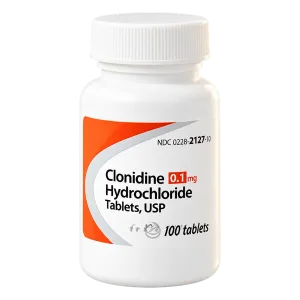
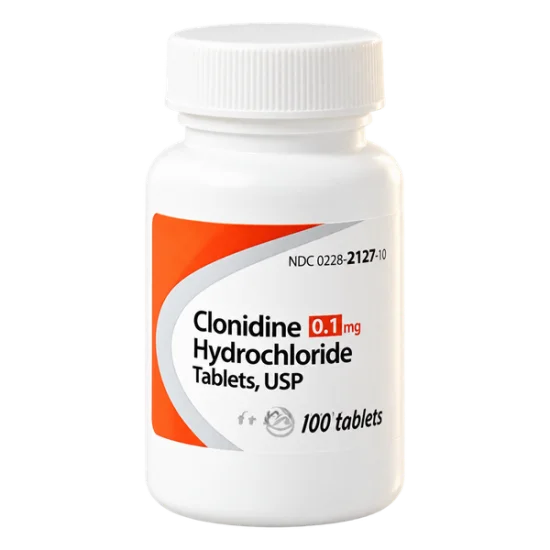
Clonidine tablets contain clonidine hydrochloride. The active substance belongs to the centrally acting alpha-2 adrenergic agonist class. Clonidine tablets are supplied in a bottle containing 100 tablets.

Directions for use

The amount taken at each intake is set individually for each person rather than being one fixed number for everyone. Clonidine tablets contain clonidine hydrochloride, but the prescribed number of tablets and daily frequency depend on the treatment plan.

Use involves the following principles:

  • Take the prescribed amount by mouth at the scheduled time.
  • Swallow the tablet with water.
  • Take doses at consistent times each day.
  • Do not change the dose because one blood-pressure reading is higher or lower.
  • Do not stop clonidine suddenly.
  • If a dose is missed, take it when remembered unless the next scheduled dose is near.
  • Skip a missed dose that is close to the next one.
  • Do not double the next dose.

Clonidine may be prescribed once daily or in divided doses. The timing can be adjusted when drowsiness is strongest at a particular part of the day, but changes should follow the treatment plan rather than being made independently.

The dose may need adjustment when clonidine is used with other medicines that lower blood pressure, slow the pulse, or cause sedation. Kidney impairment can also affect prescribing decisions because clonidine and its metabolites require renal handling.

Check blood pressure at a similar time on measurement days and record the reading with the dose time. A single reading after stress, exercise, caffeine, or a poor night’s sleep can be misleading.

Clonidine withdrawal deserves special attention. Stopping suddenly can cause a rapid rise in blood pressure, fast heartbeat, nervousness, headache, sweating, and chest discomfort. A planned taper reduces this risk. The reduction schedule depends on the daily amount, treatment duration, blood-pressure response, and other antihypertensive medicines.

Reasons not to use it

Clonidine is not suitable for everyone. It requires careful assessment in the following situations:

  • Previous serious reaction to clonidine
  • Very slow heart rate
  • Significant conduction problems affecting the heart’s electrical system
  • Low blood pressure with dizziness or fainting
  • Severe kidney impairment
  • A history of recurrent fainting
  • Use of several sedating medicines
  • Pregnancy or breastfeeding, where the expected benefit and alternatives require review

Clonidine can interact with medicines that slow the heart or lower blood pressure. Combining it with beta blockers, certain calcium-channel blockers, digoxin, sedatives, sleeping tablets, opioid analgesics, or other centrally acting medicines may increase dizziness, slow pulse, or sedation.

Do not stop a beta blocker and clonidine at the same time without a planned medical schedule. Withdrawal of one medicine can alter the response to the other and may increase cardiovascular instability.

Clonidine should not be stopped abruptly. The FDA prescribing information describes rebound hypertension as a recognised withdrawal problem, with symptoms that may include nervousness, agitation, headache, tremor, and a rapid increase in blood pressure [1].

When this is not for you

Clonidine is not usually selected as the first option for uncomplicated hypertension because it can cause sedation, dry mouth, constipation, slow heart rate, and troublesome blood-pressure rebound after abrupt discontinuation. Its role depends on the person’s blood-pressure pattern, other medicines, kidney function, heart rate, and previous response to treatment.

Adverse reactions

The most common tolerability problems arise from clonidine’s central nervous system and autonomic effects. Possible effects include:

  • Drowsiness or fatigue
  • Dry mouth
  • Dizziness, especially after standing
  • Constipation
  • Headache
  • Reduced alertness
  • Slow pulse
  • Low blood pressure
  • Sleep disturbance or vivid dreams

Drowsiness may be strongest after starting treatment or after a dose increase. Some people find it improves as the body adapts, while others remain sensitive throughout treatment. Dry mouth can persist and may increase thirst or dental discomfort.

Stand up slowly from a chair or bed. If dizziness occurs, sit or lie down until it passes. Avoid driving, climbing, or operating machinery until the response to clonidine is clear.

Serious symptoms need prompt medical attention. These include fainting, severe weakness, a very slow heartbeat, confusion, breathing difficulty, chest pain, or a marked blood-pressure rise after a missed dose or abrupt stop.

A small but useful clinical detail: clonidine can reduce tear and saliva production, so contact lenses may feel less comfortable and dry mouth may become more noticeable overnight. Sugar-free gum or frequent small sips of water can help with mouth dryness, while persistent symptoms require review of the treatment plan.

Alcohol can add to clonidine-related sleepiness, dizziness, and impaired coordination. Avoid combining them until a prescriber has confirmed that alcohol is suitable for your treatment plan.

Uses

The medicine is mainly used for hypertension when a clinician considers reduced central sympathetic activity appropriate. Clonidine may also be used in selected cases involving menopausal hot flushes, attention-deficit/hyperactivity disorder, or withdrawal symptoms, but these uses require individual clinical assessment.

Comparison

Clonidine is different from medicines that reduce blood pressure mainly through the kidneys, the renin-angiotensin system, or direct vascular relaxation. The closest comparisons are pharmacological categories rather than commercial brands.

Approach Main action Practical limitation
Clonidine Reduces central sympathetic outflow Sedation and rebound hypertension after abrupt withdrawal
Methyldopa Central alpha-2 pathway activity Sedation and liver or blood-related monitoring concerns
Beta blocker Reduces beta-adrenergic effects on heart rate and workload May worsen bradycardia, fatigue, or bronchospasm in susceptible people

Clonidine may be considered when sympathetic overactivity is clinically relevant or when other options have not produced adequate control. Methyldopa also acts centrally but is used more often in specific situations, including some pregnancy-related hypertension protocols. Beta blockers work through a different receptor system and may be selected when there is a separate indication such as certain rhythm disorders or angina.

Treatment guidelines from NICE and the WHO generally prioritize other drug classes for routine initial hypertension management, depending on age, diabetes, kidney disease, cardiovascular risk, and local practice. Clonidine remains useful in selected treatment plans, but its withdrawal risk means that adherence and follow-up matter.

Common mistakes

Several practical errors can make clonidine appear ineffective or poorly tolerated:

  • Stopping after a few days because drowsiness is uncomfortable
  • Taking extra tablets after one high reading
  • Missing doses on busy mornings
  • Combining the medicine with alcohol or sedatives
  • Standing suddenly after taking a dose
  • Driving before learning how strongly it affects alertness
  • Stopping clonidine without a taper
  • Failing to mention over-the-counter sleep products or opioid pain medicines
  • Recording blood pressure immediately after exercise or caffeine and treating that reading as the usual level

Do not double a missed dose. The extra amount can increase dizziness, slow the pulse, and cause excessive sedation.

Another common pattern is taking clonidine inconsistently because blood pressure feels normal. Blood pressure often has no reliable symptoms, so feeling well does not show that the medicine is no longer needed.

Keep clonidine in the same daily routine, such as alongside a regular evening activity, if that timing matches the prescribed schedule. A phone reminder can be useful when doses are divided.

What doctors say

In clinical practice, the main prescribing question is not simply whether clonidine lowers blood pressure. The clinician also considers whether the person can follow a regular schedule and whether sedation, constipation, dry mouth, or pulse slowing will interfere with daily life.

A physician will usually want to know:

  • Current home blood-pressure readings
  • Resting pulse rate
  • Other blood-pressure medicines
  • Episodes of fainting or falls
  • Sleepiness during work or driving
  • Kidney problems
  • Use of alcohol, opioids, sleep medicines, or sedatives
  • Previous difficulty stopping clonidine

The EMA describes clonidine’s central alpha-2 activity as the basis for reduced sympathetic tone and lower blood pressure. This mechanism explains why the medicine can be useful in selected patients while creating a clear need for gradual withdrawal.

Doctors also watch for a mismatch between readings and symptoms. A person may feel well while blood pressure remains high, or feel dizzy while the measured pressure is acceptable. Dose decisions should follow a pattern of readings and pulse measurements rather than one uncomfortable morning.

Clonidine can be valuable when used for a defined reason. It is less suitable when irregular dosing is likely, because missed doses and abrupt interruption can produce an avoidable rebound effect.

Questions and answers

What happens when clonidine is stopped, and does it need tapering?

Abrupt withdrawal can cause rebound hypertension, rapid heartbeat, nervousness, sweating, headache, and chest discomfort. The FDA prescribing information from 2010 identifies gradual reduction as the safer approach for people who have been taking clonidine regularly. The taper is individual because the starting amount, duration of use, kidney function, and other medicines differ. A missed dose should not be replaced with two tablets. The prescriber should set the taper and monitor blood pressure during it.

How soon can clonidine’s effect become noticeable?

A fall in blood pressure may begin after the first doses, while the final treatment response depends on titration and the person’s underlying condition. The NHS describes clonidine as a medicine whose blood-pressure effect develops during ongoing treatment, with drowsiness sometimes appearing earlier than the full benefit; NICE guidance from 2019 also supports monitoring the response over time. Blood-pressure readings taken over several days give more useful information than one isolated measurement. Treatment changes should be based on readings, pulse, and symptoms.

What is the best time of day to take clonidine?

There is no single best time for every person because the schedule depends on the prescribed frequency and the degree of drowsiness. The American Heart Association advises consistent timing for antihypertensive treatment, while WHO guidance from 2021 supports individualized scheduling and clonidine’s sedating effect may lead a clinician to place a larger portion of the regimen later in the day. A divided schedule should remain evenly timed when that is how it was prescribed. Do not move doses or combine them without an agreed plan.

Can alcohol be used while taking clonidine?

Alcohol can intensify clonidine-related drowsiness, dizziness, reduced concentration, and impaired coordination. The WHO guidance from 2021 describes alcohol as a factor that can complicate blood-pressure control, while central nervous system depressants can add to sedation. Avoid driving or machinery work if alcohol and clonidine have been combined. Regular alcohol use should be disclosed because it can affect both safety and blood-pressure readings.

Does clonidine cause dry mouth?

Dry mouth is a recognised effect of clonidine because the medicine reduces sympathetic activity and can decrease salivary secretion. The FDA prescribing information from 2010 lists dry mouth among the expected adverse effects associated with clonidine treatment. Water, sugar-free gum, and alcohol-free oral-care products may improve comfort. Persistent mouth dryness, swallowing difficulty, or dental problems warrant a treatment review.

Do you offer anonymous delivery?

Your order will be securely packed and shipped within 24 hours. This is exactly what your package will look like (images of an actual item sent). It has the size and look of a regular private letter (24x11x0.7 cm) and its contents cannot be seen.

Comparison

Compare treatments for Hypertension

Sources

  1. U.S. Food and Drug Administration (2010). Catapres (clonidine hydrochloride) tablets prescribing information.

Clonidine: What Customers Say

3.4
Based on 5 reviews
Ali, 54 Al Khawaneej Several weeks
Verified
Rating: 3.5 out of 5

My readings became steadier, but the first days made me sleepy after lunch. I moved the more sedating dose to the evening only after the prescriber adjusted the schedule.

1 Oct 2026
Lakshmi, 50 Kalba Several weeks
Verified
Rating: 4 out of 5

The dry mouth was annoying at night, and I needed water beside the bed. After about two weeks, the tiredness was less noticeable, while the home readings were better.

8 Oct 2026
Karim, 64 Ras Al Khaimah Several months
Verified
Rating: 3.5 out of 5

It helped my pressure, but I missed a dose during travel and felt a strong headache with palpitations. The treatment was changed gradually rather than stopped suddenly.

17 Oct 2026
Rachel, 42 Jebel Ali Several weeks
Verified
Rating: 3 out of 5

I felt dizzy when I stood up quickly during the first week. Slowing down and keeping a record of my pulse helped identify that the dose needed review.

24 Oct 2026
Hessa, 51 Abu Dhabi Several weeks
Verified
Rating: 3 out of 5

The medicine reduced my readings, but I disliked the sleepiness when I also drank alcohol. Avoiding alcohol made the daytime tiredness easier to manage.

30 Oct 2026
Get our free app Shop faster and track your orders Install