The ankle swelling became less noticeable after the first couple of weeks. I took the tablet in the morning because an evening dose kept waking me. My potassium blood test was repeated after the dose change.
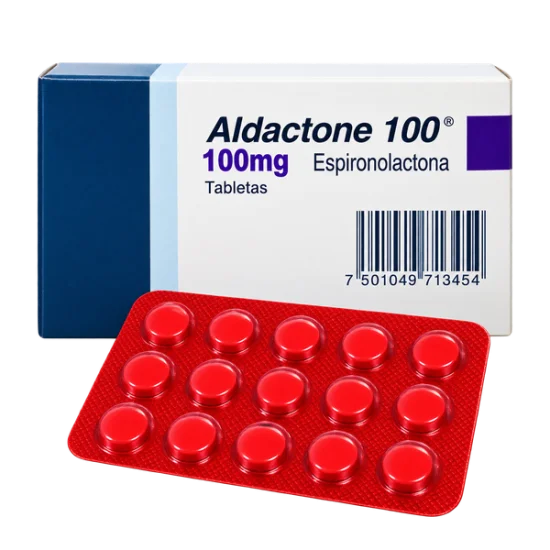
Aldactone is supplied as oral tablets containing spironolactone, a potassium-sparing diuretic. It is prescribed for adults with fluid retention, high blood pressure, heart failure, or excess aldosterone. The tablet blocks aldosterone in the kidneys, promoting sodium and water removal while limiting potassium loss.
About this product
How much Aldactone to use and how often depends on the purpose of treatment and is agreed with a doctor or pharmacist. Spironolactone belongs to the mineralocorticoid receptor antagonist class. It is also called an aldosterone receptor antagonist. The term “aldosterone agonist” describes the opposite action and does not apply to spironolactone.
| Product form | Active ingredient | Pharmacological class |
|---|---|---|
| Oral tablet | Spironolactone | Potassium-sparing diuretic and aldosterone antagonist |
Pharmacological action
Aldactone Tablets act mainly in the distal nephron, the kidney region responsible for fine control of sodium and potassium.
Aldosterone normally signals the kidneys to retain sodium and water while excreting potassium and hydrogen ions. Spironolactone blocks aldosterone receptors inside kidney cells. This reduces sodium reabsorption and increases urinary sodium and water loss, while potassium and hydrogen-ion excretion fall [1].
The diuretic effect may be gradual rather than immediate. The hormonal effect also explains why spironolactone can influence breast tissue, menstrual patterns, libido, and androgen-related symptoms. Those effects are separate from its fluid-removing action.
What it contains
Aldactone is supplied as oral tablets containing spironolactone, a potassium-sparing diuretic.
How much to use and how often depends on the purpose of treatment and is agreed with a doctor or pharmacist. Spironolactone belongs to the mineralocorticoid receptor antagonist class. It is also called an aldosterone receptor antagonist. The term “aldosterone agonist” describes the opposite action and does not apply to spironolactone.
| Product form | Active ingredient | Pharmacological class |
|---|---|---|
| Oral tablet | Spironolactone | Potassium-sparing diuretic and aldosterone antagonist |
Directions for use
Aldactone is taken orally. How much to use and how often depends on the purpose of treatment and is agreed with a doctor or pharmacist.
- Swallow the prescribed tablet with water.
- Take it at the same time each day when possible.
- Morning dosing is often practical because increased urination can disturb sleep.
- Follow the prescribed duration rather than stopping when swelling improves.
- If a dose is missed, take it when remembered unless the next dose is near.
- Skip a missed dose when it is close to the next scheduled dose; do not double the amount.
- Blood tests may be used to monitor potassium and kidney function during treatment.
The appropriate dose for hypertension may differ from the dose used for oedema, hyperaldosteronism, or heart failure. A person with reduced kidney function may need a lower amount, a different schedule, or may be unable to use spironolactone.
One practical mistake is splitting or changing a tablet schedule without confirming that the intended daily amount remains correct. Another is stopping treatment after the ankles look less swollen; the underlying aldosterone or heart condition may still require treatment.
Should Aldactone be taken with food or on an empty stomach?
Aldactone tablets may be taken with food, and taking them consistently in relation to meals can reduce variation in absorption. The FDA label for spironolactone (2018) describes food-related differences in exposure, which is why a stable routine is useful. If stomach upset occurs, taking the tablet with food may be more comfortable. Do not change repeatedly between fasting and fed administration when a consistent schedule has already been established.
Reasons not to use it
Spironolactone is generally contraindicated or unsuitable in the following situations:
- Hyperkalaemia.
- Anuria, meaning almost no urine production.
- Acute kidney injury or severe renal impairment.
- Addison’s disease or primary adrenal insufficiency.
- Previous serious reaction to spironolactone.
- Concomitant use of eplerenone or another mineralocorticoid antagonist without specialist direction.
Pregnancy requires a specific risk assessment, especially when spironolactone is being considered for acne, hirsutism, or other androgen-related symptoms. Breastfeeding also requires a medication review.
When this is not for you
This medication is not for you if a clinician has identified a condition that makes potassium retention or reduced kidney clearance dangerous.
Extra caution is needed with diabetes, chronic kidney disease, dehydration, low blood pressure, liver disease, and a history of electrolyte abnormalities. Tell your clinician if you are pregnant, breastfeeding, or considering spironolactone for acne, hirsutism, or another androgen-related symptom.
Before treatment, a clinician may assess serum creatinine, estimated kidney function, sodium, and potassium. Repeat testing is often needed after starting or changing therapy, especially in heart failure or when an ACE inhibitor, ARB, or potassium-increasing medicine is also used.
Adverse reactions
The most clinically significant risk is hyperkalaemia, meaning an excessive blood potassium level. The risk rises with kidney impairment, diabetes, older age, dehydration, high doses, and combinations with ACE inhibitors or angiotensin receptor blockers.
Possible reactions include:
- Increased urination.
- Dizziness or light-headedness from lower blood pressure.
- Nausea, abdominal discomfort, or diarrhoea.
- Headache or drowsiness.
- Breast tenderness or enlargement.
- Reduced libido or erectile difficulty.
- Menstrual irregularities.
- Skin rash or itching.
- Changes in kidney function.
- Hyperkalaemia or, less commonly, low sodium.
Gynaecomastia means enlargement of male breast tissue. It is a recognised hormonal adverse effect of spironolactone and may become more likely with longer treatment or higher exposure. The FDA prescribing information describes endocrine effects, electrolyte disturbances, kidney-related reactions, and gastrointestinal symptoms among the known risks [3].
Urgent medical assessment is needed for marked weakness, tingling, unusual muscle heaviness, palpitations, fainting, confusion, or very slow or irregular heartbeat. These symptoms can occur with significant electrolyte disturbance, though they may also have other causes.
A small rise in urination can be expected. Severe dizziness, repeated vomiting, very low urine output, or rapid worsening of swelling needs prompt clinical attention.

Uses
Aldactone is prescribed when aldosterone activity contributes to fluid retention, raised blood pressure, or cardiovascular strain. Spironolactone may be used alone or alongside other medicines, depending on the diagnosis.
Recognised therapeutic uses include:
- Oedema associated with heart failure.
- Fluid retention linked with liver cirrhosis and ascites.
- Oedema associated with certain kidney disorders.
- Primary or secondary hyperaldosteronism.
- Hypertension, usually as part of a wider treatment plan.
- Severe heart failure in selected adults.
- Hypokalaemia caused by excessive aldosterone activity or other treatment factors.
- Hirsutism or androgen-related symptoms in selected women under medical supervision.
Hyperaldosteronism means that the body produces too much aldosterone. This can increase sodium retention, raise blood pressure, and lower potassium. In this setting, spironolactone addresses the hormonal driver rather than merely increasing urine production.
For heart failure, spironolactone can reduce the effects of aldosterone on the heart and blood vessels. NICE guidance describes mineralocorticoid receptor antagonists as part of treatment for selected patients with reduced ejection fraction, with kidney function and potassium monitoring [2].
Dermatological use requires a different clinical assessment. Hirsutism treatment may take several months, and pregnancy prevention is essential when spironolactone is used for androgen-related symptoms because of potential fetal effects.
Comparison
The best alternative depends on whether the main objective is fluid removal, aldosterone blockade, blood-pressure control, or treatment of androgen-related symptoms.
| Treatment category | Main pharmacological difference | Typical clinical consideration |
|---|---|---|
| Spironolactone | Blocks aldosterone and retains potassium | Useful when aldosterone excess, oedema, or heart-failure risk is central |
| Eplerenone | More selective mineralocorticoid receptor antagonist | May cause fewer sex-hormone effects, but potassium and kidney risks remain |
| Loop diuretic therapy | Produces stronger sodium and water excretion with potassium loss | Often chosen when rapid or substantial fluid removal is needed |
Eplerenone is not automatically safer. It can still cause hyperkalaemia and requires attention to kidney function and interacting medicines. Loop diuretics work through a different part of the nephron and may lower potassium, so treatment selection depends on the complete clinical picture.
Combination diuretic treatment should be prescribed deliberately. Self-adding a loop diuretic, potassium supplement, or salt substitute can produce a harmful electrolyte shift.
Common mistakes
Several practical errors make spironolactone harder to use safely:
- Taking potassium supplements without including them in the medication review.
- Using potassium chloride salt substitutes while eating a normal diet.
- Taking frequent ibuprofen or naproxen without considering kidney effects.
- Stopping Aldactone when swelling improves.
- Taking the tablet late at night and then assuming the medicine is causing unexplained insomnia.
- Missing blood tests after a dose change.
- Doubling the next dose after a missed tablet.
- Assuming dizziness always means the medicine should be stopped immediately.
- Ignoring breast tenderness, menstrual changes, or sexual side effects.
- Combining Aldactone with another diuretic without a planned monitoring schedule.
Aldactone can alter the interpretation of a digoxin result, so the laboratory and prescribing team should know that spironolactone is being used. This detail is easy to miss when medicines are prescribed by different clinics.
What doctors say
In clinical practice, doctors often treat spironolactone as a medicine that requires laboratory follow-up rather than a tablet judged only by how much urine it produces. The potassium result may matter more than the number of bathroom visits.
A physician will usually link the treatment goal to a measurable outcome: reduced oedema, improved blood pressure, fewer heart-failure symptoms, correction of aldosterone excess, or gradual improvement in androgen-related symptoms. The plan may change after kidney-function or potassium results.
For hirsutism, improvement is slow because existing hair follicles do not disappear immediately. Hair-growth cycles mean that several months may pass before the change is clear, and other measures may be added by the treating clinician.
Patients sometimes report breast tenderness or menstrual changes before they notice the intended benefit. These symptoms should be reported early because the clinician may adjust the regimen or consider a different mineralocorticoid receptor antagonist.
Questions and answers
Can alcohol be used while taking Aldactone?
Alcohol can increase dizziness, low blood pressure, dehydration, and impaired balance during spironolactone treatment. NHS patient guidance in 2025 advised caution because alcohol may worsen postural symptoms in people taking medicines that lower blood pressure. The risk is greater when Aldactone is combined with other diuretics, blood-pressure medicines, or heart-failure treatment. Avoid alcohol completely if it has already caused faintness, vomiting, dehydration, or poor fluid intake. A pharmacist can review alcohol use alongside the rest of the treatment plan.
Is Aldactone suitable for older adults?
Older adults may be more sensitive to dehydration, low blood pressure, kidney-function changes, and hyperkalaemia. The American Geriatrics Society’s 2023 medication principles support closer monitoring when medicines affect renal clearance or electrolytes. Age alone does not rule out spironolactone, but kidney function, potassium, blood pressure, and the full medication list should guide treatment. Extra care is needed when an older person also uses an ACE inhibitor, ARB, NSAID, or potassium supplement.
Which diet, exercise, or habits help or hinder treatment?
A regular diet and sensible fluid intake support predictable treatment, while dehydration can increase dizziness and kidney stress. The British Heart Foundation guidance reviewed in 2024 recommends that people with heart failure follow their personalised fluid, salt, and activity plan rather than making large changes independently. Potassium-rich foods should not be increased dramatically without considering kidney function and other medicines. Gentle activity may help mobility and fluid management when permitted, but breathlessness, chest pain, or sudden swelling requires clinical assessment.
Can Aldactone cause breast enlargement?
Yes. Spironolactone can cause breast tenderness or gynaecomastia because it has anti-androgen effects in addition to blocking aldosterone. The FDA product information current before 2026 lists gynaecomastia among recognised adverse reactions. The symptom may improve after treatment changes, but persistent, painful, one-sided, or rapidly enlarging breast tissue needs medical assessment to exclude other causes.
How long does a course last, and is long-term use acceptable?
Treatment duration depends on the condition, response, kidney function, potassium level, and the reason for prescribing spironolactone. The European Society of Cardiology heart-failure guidance published in 2021 supports ongoing mineralocorticoid receptor antagonist treatment for selected patients when monitoring remains acceptable. Some people use Aldactone for a short period, while others require long-term treatment for heart failure, hyperaldosteronism, or recurrent fluid retention. Long-term use is acceptable only with periodic review and laboratory monitoring.
Should Aldactone be taken with food or on an empty stomach?
Aldactone tablets may be taken with food, and taking them consistently in relation to meals can reduce variation in absorption. The FDA label for spironolactone (2018) describes food-related differences in exposure, which is why a stable routine is useful. If stomach upset occurs, taking the tablet with food may be more comfortable. Do not change repeatedly between fasting and fed administration when a consistent schedule has already been established.
Do you offer anonymous delivery?
Your order will be securely packed and shipped within 24 hours. This is exactly what your package will look like (images of an actual item sent). It has the size and look of a regular private letter (24x11x0.7 cm) and its contents cannot be seen.
Comparison
Aldactone Current
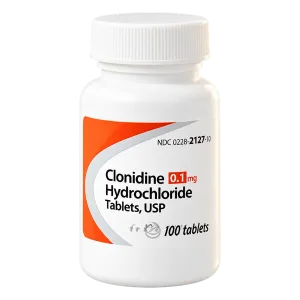
Clonidine
Sources
- U.S. Food and Drug Administration (2018). Aldactone (spironolactone) Tablets Prescribing Information.
- National Institute for Health and Care Excellence (2018). Chronic heart failure in adults: diagnosis and management (NG106).
- U.S. Food and Drug Administration (2018). Aldactone (spironolactone) Tablets: Adverse Reactions and Warnings.