Skip to content
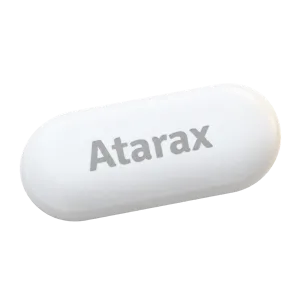
Atarax
Active ingredient: Hydroxyzine

Atarax

Quality products
24/7 Support
Fast delivery
Delivery from 4 days
Select pack Package Per unit Price

Free delivery on orders from AED 796.00, free express delivery from AED 1,194.00

Secure Payments
Track your order
Best price guarantee

Atarax tablets are taken by mouth for short-term anxiety, itching linked with allergic skin conditions, and selected pre-procedure uses. Hydroxyzine reduces histamine signalling and dampens central nervous system activity, which can ease pruritus and promote calmness. Sleepiness is a common trade-off.

About this product

Atarax contains hydroxyzine, a first-generation H1 antihistamine with sedative and anticholinergic properties. Hydroxyzine acts on histamine receptors in peripheral tissues and the central nervous system. This gives Atarax a dual clinical role: reducing allergic itching and producing a calming effect.

Pharmacological action

Hydroxyzine blocks H1 histamine receptors. Histamine contributes to itching, redness, swelling, and the wheal-and-flare response seen in many allergic skin reactions. By reducing this signalling, hydroxyzine can make itching less intense.

The medicine also crosses into the brain. Central H1 blockade can cause drowsiness, slowed reaction time, and reduced alertness. Its anticholinergic activity may contribute to dry mouth, constipation, blurred vision, or difficulty passing urine in susceptible people.

What it contains

Atarax contains hydroxyzine, a first-generation H1 antihistamine with sedative and anticholinergic properties. Hydroxyzine acts on histamine receptors in peripheral tissues and the central nervous system, helping reduce allergic itching and promote a calming effect. Sleepiness is a common trade-off.

Directions for use

Atarax tablets are taken orally with water. The dose is decided individually, taking age, other medicines and health conditions into account. Treatment may be prescribed for anxiety, itching, or a procedure-related purpose, and the dosing schedule differs between these situations.

Follow the prescribed schedule rather than adjusting the amount according to the level of drowsiness. A stronger sedative effect does not necessarily mean better control of anxiety or itching.

Practical administration points

  • Take the tablet at the prescribed time with water.
  • Food may be taken if it reduces stomach discomfort, unless the prescriber gives different instructions.
  • Do not take an extra tablet to compensate for a missed dose.
  • If a dose is missed, take it when remembered only when the next scheduled dose is not near; otherwise, skip it.
  • Do not double the next dose.
  • Avoid alcohol unless a prescriber has specifically assessed the combination.
  • Keep the medicine away from children, because sedating antihistamines can cause serious toxicity in overdose.

The correct dose may need adjustment in older adults and people with kidney or liver impairment. Other sedatives, opioid pain medicines, sleep medicines, and some psychiatric medicines can intensify central nervous system depression.

Keep a written record of the time taken and the degree of sleepiness during the first few days. This makes it easier to identify whether the dose is calming symptoms or impairing daytime function.

Reasons not to use it

The following situations require avoidance or a documented prescribing decision:

  • Known allergy to hydroxyzine, cetirizine, aminophylline, or another related compound.
  • Congenital long-QT syndrome or a previous serious rhythm disturbance.
  • Significant bradycardia or important electrolyte imbalance.
  • Use of medicines known to prolong the QT interval, unless specifically assessed.
  • Severe urinary retention, narrow-angle glaucoma, or serious anticholinergic sensitivity.
  • Pregnancy or breastfeeding unless the expected benefit has been reviewed.
  • Older age with a high risk of falls, confusion, or delirium.
  • Significant kidney or liver impairment requiring dose selection.

A person taking antiarrhythmics, certain antibiotics, some antipsychotics, or other medicines with cardiac effects should have the combination assessed before using hydroxyzine. The EMA introduced restrictions around hydroxyzine-related cardiac risk because susceptibility differs between patients [2].

When this is not for you

Atarax is not suitable for everyone. NOT for you if you have congenital long-QT syndrome, a serious rhythm disorder, or a known allergy unless a clinician has specifically assessed the situation.

Alcohol, opioid analgesics, sleeping tablets, sedating antidepressants, sedating antipsychotics, and some medicines used for epilepsy can increase drowsiness and breathing impairment. Medicines that affect cardiac rhythm require special attention because combined QT effects can raise arrhythmia risk.

Tell the prescriber about fainting, unexplained palpitations, sudden cardiac death in close relatives, or a previous abnormal electrocardiogram. These details can change whether hydroxyzine is appropriate.

Adverse reactions

The most familiar adverse effects are somnolence, fatigue, reduced concentration, dry mouth, dizziness, headache, blurred vision, constipation, and difficulty urinating. The effects reflect central sedation and anticholinergic activity.

Some people feel sleepy soon after a dose. Others experience a heavy or “hungover” feeling the next morning, especially when the tablet is taken late or combined with another sedative. Older adults may be more vulnerable to confusion, falls, urinary retention, and constipation.

Hydroxyzine can affect cardiac electrical activity by prolonging the QT interval. The risk is higher in people with known long-QT syndrome, significant cardiovascular disease, slow heart rate, low potassium or magnesium, or treatment with other QT-prolonging medicines [1].

Managing common adverse effects

  • Avoid driving, climbing, or machinery work until the personal response is clear.
  • Drink water regularly for dry mouth, unless fluid restriction applies.
  • Rise slowly from bed or a chair if dizziness occurs.
  • Take constipation seriously when anticholinergic medicines are used with other constipating drugs.
  • Seek medical advice if blurred vision, difficulty urinating, confusion, or severe palpitations develops.
Dry mouth can be mistaken for dehydration, while blurred vision can be mistaken for an eye problem. Both may reflect hydroxyzine’s anticholinergic effect and should be reported if persistent.

Rare but serious reactions include severe allergic responses, fainting, abnormal heart rhythm, seizures, severe confusion, and marked breathing difficulty. Immediate assessment is required for collapse, chest fluttering with dizziness, blue lips, or swelling affecting the airway.

Uses

Atarax may be prescribed for short-term anxiety symptoms and psychomotor agitation. It can reduce physical tension, restlessness, and heightened arousal without belonging to the benzodiazepine class. It is generally used for symptom control rather than as a long-term treatment for the underlying causes of chronic anxiety.

Hydroxyzine can reduce pruritus associated with allergic skin disorders, urticaria, atopic dermatitis, and some contact reactions. Histamine released in the skin stimulates sensory nerve endings. H1 receptor blockade reduces that signal and may lessen the urge to scratch.

Night-time itching is a common reason a sedating antihistamine may be selected. Sleep can become easier when scratching decreases, though sedation itself can produce morning heaviness. Atarax does not remove every cause of itch, especially when inflammation, infection, liver disease, kidney disease, or another systemic condition is involved.

Skin symptoms still need clinical interpretation. Widespread hives with swelling of the lips or tongue, breathing difficulty, faintness, or throat tightness require emergency care rather than reliance on an oral antihistamine alone.

Practical dermatology considerations

Scratching can damage the skin and increase irritation. Short nails, gentle cleansing, and avoidance of known irritants may reduce mechanical aggravation while the prescribed treatment takes effect.

If itching is worse after the evening dose, the medicine may be causing warmth, sweating, or restlessness rather than controlling the skin problem. Record the timing of symptoms and report the pattern during the next clinical review.

Atarax can reduce symptoms without treating an underlying eczema flare, scabies infestation, fungal infection, or medication reaction. A persistent rash, new bruising, blistering, fever, or peeling skin needs prompt medical assessment.

Comparison

The most useful comparison concerns mechanism and clinical purpose rather than brand names. Hydroxyzine may be chosen when antihistamine action and short-term sedation are both relevant.

Treatment category Main clinical feature Main limitation
Hydroxyzine H1 blockade with calming and antipruritic effects Drowsiness, dry mouth, impaired reaction time
Benzodiazepines Strong anxiolytic and muscle-relaxant activity Dependence, withdrawal, tolerance, sedation
Less-sedating H1 antihistamines Allergy and itch control with less central sedation Usually less useful when calming or night-time sedation is required

Benzodiazepines may act more strongly on acute anxiety, but their dependence and withdrawal risks affect prescribing decisions. Less-sedating antihistamines may suit daytime allergy symptoms when alertness matters. Hydroxyzine occupies a middle position: it can reduce itch and anxiety-related arousal, but sedation remains a significant limitation.

Atarax is not a replacement for emergency treatment of anaphylaxis. It also does not replace assessment of persistent anxiety, severe depression, psychosis, or recurring agitation.

Common mistakes

Several practical errors can reduce benefit or increase harm:

  • Taking Atarax with alcohol because both are viewed as separate issues.
  • Driving after the first dose without testing the effect in a safe setting.
  • Taking an additional tablet when itching or anxiety remains intense.
  • Combining it with an over-the-counter sleep product or sedating antihistamine.
  • Stopping an urgent assessment because a rash improves temporarily.
  • Ignoring constipation, urinary difficulty, blurred vision, or confusion.
  • Using an old prescription for a new rash without identifying the cause.
  • Assuming that less anxiety means the underlying disorder has been treated.
  • Taking the medicine late at night when an early morning drive is unavoidable.

One frequent mistake is judging the medicine only by whether it causes sleep. The desired result may be reduced itching or temporary calming, while excessive sedation is an adverse effect rather than proof of stronger treatment.

Another is overlooking cardiac history. A patient may remember blood pressure medicines but forget to mention fainting episodes or a family history of sudden death. That information has direct relevance to hydroxyzine safety.

What doctors say

Clinicians generally view hydroxyzine as a short-term symptom-control option. Its usefulness comes from two properties: it can reduce histamine-driven itching and can calm central nervous system activity. Its main drawback is that the same central action may interfere with alertness and coordination.

A doctor will usually consider the treatment goal before selecting the timing and dose. Night-time itching may make sedation acceptable, while daytime anxiety in a driver or machine operator creates a different risk profile.

The absence of benzodiazepine-type dependence does not make hydroxyzine risk-free. Repeated use can still lead to excessive sedation, falls, anticholinergic symptoms, and interaction problems. The World Health Organization identifies medication safety as a process that includes patient-specific risk assessment, not simply selection of a drug class [3]. The National Institute for Health and Care Excellence and the Medicines and Healthcare products Regulatory Agency also provide relevant prescribing and safety guidance.

Atarax also has limits in chronic anxiety. If symptoms continue, a clinician may reassess the diagnosis, sleep, pain, substance use, mood symptoms, and current medicines rather than extending sedating treatment automatically.

Questions and answers

Can Atarax be combined with other medicines or supplements?

Atarax can interact with alcohol, opioids, sleep medicines, sedating psychiatric medicines, and other antihistamines by increasing central nervous system depression. Medicines that prolong the QT interval can add cardiac risk, especially in people with heart disease or electrolyte abnormalities. The EMA’s 2015 hydroxyzine safety assessment remains a relevant reference for these interactions [4]. Herbal products marketed for sleep or relaxation may also intensify drowsiness, so the full list should be reviewed before treatment.

What is the best time of day to take Atarax?

The best timing depends on the indication, prescribed schedule, and the person’s response. A sedating dose may be planned for the evening when itching or anxiety interferes with sleep, while daytime use requires caution if driving or focused work is expected. The FDA’s 2017-approved hydroxyzine labeling describes drowsiness and advises caution with activities requiring mental alertness [5]. Do not move a prescribed dose to another time without checking how that change affects the full schedule.

How soon can the effect of Atarax become noticeable?

Sedation and reduced physical tension may appear sooner than improvement in an ongoing skin condition. The timing varies with the prescribed amount, the indication, age, kidney and liver function, and other medicines. A response that feels too strong, lasts into the following day, or fails to control the intended symptom should be discussed during clinical review. Repeating doses early can cause accumulation of unwanted sedation. The EMA reviewed hydroxyzine safety in 2015.

Can Atarax be used during pregnancy or breastfeeding?

Hydroxyzine should not be used during pregnancy or breastfeeding unless a clinician has assessed the individual situation. Sedating antihistamines can expose the developing baby or breastfed infant to medicine-related effects, and the risk-benefit balance changes with pregnancy stage and feeding status. The EMA’s 2015 product information gives pregnancy and lactation precautions for hydroxyzine-containing medicines. Tell the prescriber about pregnancy, planned pregnancy, or breastfeeding before treatment begins.

Which symptoms mean stopping Atarax and seeking urgent medical help?

Urgent care is required for fainting, severe palpitations, collapse, breathing difficulty, swelling of the lips or tongue, severe confusion, seizure, or a rapidly spreading blistering rash. A rash accompanied by fever, skin peeling, or mouth and eye involvement also needs immediate assessment. Severe drowsiness with slow or shallow breathing may indicate dangerous central nervous system depression, especially after alcohol, opioids, or other sedatives. Do not take another dose while awaiting urgent medical evaluation unless emergency clinicians instruct otherwise. The EMA’s 2015 safety review supports urgent assessment of serious cardiac or allergic reactions.

Do you offer anonymous delivery?

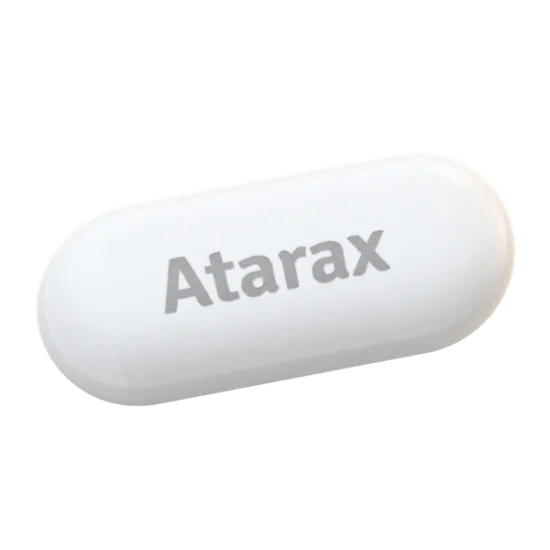
Your order will be securely packed and shipped within 24 hours. This is exactly what your package will look like (images of an actual item sent). It has the size and look of a regular private letter (24x11x0.7 cm) and its contents cannot be seen.

Comparison

Compare treatments for Allergies

Sources

  1. European Medicines Agency (2015). Hydroxyzine-containing medicinal products: referral under Article 31 of Directive 2001/83/EC.
  2. European Medicines Agency (2015). PRAC recommendations on hydroxyzine-containing medicines and the risk of QT interval prolongation.
  3. World Health Organization (2017). Medication Without Harm: Global Patient Safety Challenge on Medication Safety.
  4. European Medicines Agency (2015). Hydroxyzine: product information and risk-minimisation measures.
  5. U.S. Food and Drug Administration (2017). Vistaril (hydroxyzine pamoate) prescribing information.

Atarax: What Customers Say

3
Based on 4 reviews
Joseph, 28 Umm Al Quwain About ten days
Verified
Rating: 3 out of 5

The scratching reduced enough for me to sleep. I felt slow the next morning during the first few days, so I avoided driving early.

21 Oct 2026
Nadeem, 34 Dubai Short-term
Verified
Rating: 3.5 out of 5

It settled the physical restlessness within the first evening. The downside was a dry mouth and less concentration at work, so I only used it at the time prescribed.

27 Oct 2026
Hamza, 65 Ajman
Verified
Rating: 3 out of 5

The night-time symptoms became easier to manage, but I felt unsteady when standing quickly. The treatment was reviewed because of my age and other medicines.

1 Oct 2026
James, 62 Kalba Several days
Verified
Rating: 2.5 out of 5

The calming effect was noticeable, but the morning drowsiness was too inconvenient for my routine. I stopped after discussing the problem with the prescribing clinician.

10 Oct 2026
Get our free app Shop faster and track your orders Install