Skip to content
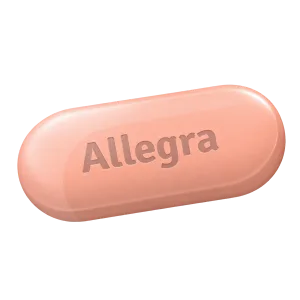
Allegra
Active ingredient: Fexofenadine

Allegra

Quality products
24/7 Support
Fast delivery
Delivery from 4 days
Select pack Package Per unit Price

Free delivery on orders from AED 796.00, free express delivery from AED 1,194.00

Secure Payments
Track your order
Best price guarantee

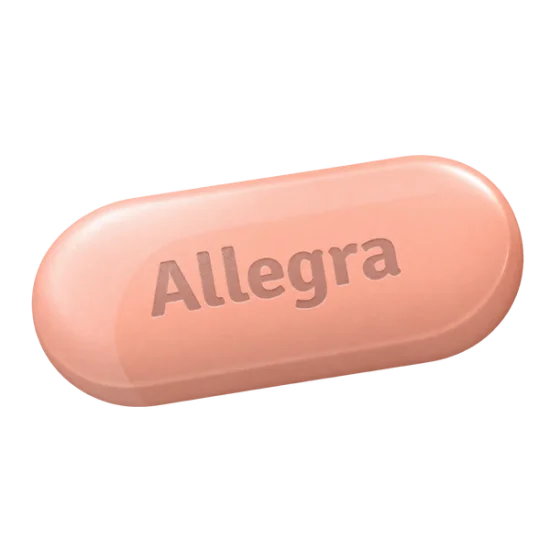
Allegra tablets are taken by mouth for allergy symptoms and hives. The active antihistamine is fexofenadine hydrochloride, which blocks peripheral H1 histamine receptors and helps reduce sneezing, nasal discharge, itching, and raised itchy skin lesions.

About this product

Allegra is associated with fexofenadine, a second-generation H1 antihistamine used for allergic rhinitis and urticaria. The active ingredient is more clinically relevant than the commercial name when a patient is receiving treatment from more than one prescriber.

Pharmacological action

Histamine is released during an allergic response. It widens small blood vessels, stimulates nerve endings, and contributes to swelling, itching, watery eyes, sneezing, and a runny nose. Fexofenadine occupies H1 receptors outside the brain, reducing the effects of histamine without acting as a sedative.

What it contains

Allegra contains fexofenadine hydrochloride, a second-generation H1 antihistamine. It blocks peripheral H1 histamine receptors and helps relieve allergy symptoms and hives.

Directions for use

The correct Allegra dose depends on the tablet strength, age, kidney function, indication, and previous response. There is no single amount that suits every user. The product is taken orally with water, and the prescribed regimen should be followed without increasing the frequency to obtain faster relief.

Adult and Adolescent Dosing Protocols

Adults and adolescents may receive different regimens for allergic rhinitis and chronic urticaria. The treatment plan can also change when kidney function is reduced. A lower or less frequent regimen may be selected in renal impairment because fexofenadine is cleared more slowly.

Important administration points include:

  • Swallow the tablet with water.
  • Do not use fruit juice as the drink for the dose.
  • Avoid taking aluminium- or magnesium-containing antacids at the same time; separate them according to the product’s medical instructions.
  • Do not take extra tablets after a missed dose if the next scheduled dose is near.
  • Do not split, crush, or chew a tablet unless the product instructions specifically allow it.
  • Use an age-appropriate formulation for young children rather than assuming an adult tablet is suitable.

Orange, apple, and grapefruit juices can reduce fexofenadine absorption through effects on intestinal transport proteins. This interaction does not mean that fruit must be avoided throughout the day; it means water is the reliable choice for taking the tablet.[1]

Keep Allegra and fruit juice separate around the dosing time. Water avoids the absorption problem and makes the routine easier to repeat consistently.

Pediatric Administration Considerations

Children require age-specific dosing and formulations. A tablet may not be appropriate for a younger child who cannot swallow it safely. Pediatric treatment should account for age, body size, kidney function, and the type of symptoms being treated.

Reasons not to use it

Allegra should not be used by anyone with a known hypersensitivity to fexofenadine or any tablet component.

  • Avoid duplicate use with another fexofenadine product.
  • Separate aluminium- or magnesium-containing antacids from Allegra.
  • Mention kidney disease before treatment.
  • Pregnancy and breastfeeding require an individual assessment of expected benefit and potential exposure.

This pharmacology explains its alertness profile, while the clinical response still varies among individuals.[2]

When this is not for you

A person with facial swelling, breathing difficulty, or a widespread rash after a previous exposure should report this before another exposure. A child with facial swelling, breathing difficulty, faintness, or rapidly progressive symptoms needs urgent medical assessment rather than relying on an antihistamine tablet alone.

Adverse reactions

Fexofenadine is usually well tolerated, and clinical studies report fewer central sedative effects than with first-generation antihistamines. Possible adverse effects include headache, nausea, dizziness, fatigue, and mild stomach discomfort. The frequency depends on the dose, study population, and medical condition being treated.[1]

Common effects may include:

  • Headache
  • Nausea
  • Mild dizziness
  • Tiredness or fatigue
  • Indigestion or abdominal discomfort

Most mild effects improve without stopping treatment, but persistent or troublesome symptoms deserve review. Drowsiness is less common than with older antihistamines, yet individual reactions differ. A person who feels sleepy should avoid driving or operating machinery until the response is clear.

Rare hypersensitivity reactions may include swelling of the face, lips, tongue, or throat, breathing difficulty, widespread rash, or sudden faintness. These symptoms require urgent medical care.

The first dose is best taken when you can observe your response without driving immediately afterwards. Low sedation risk is not the same as zero sedation for every individual.

Uses

Allegra tablets are taken by mouth for allergy symptoms and hives.

Treatment of Seasonal Allergic Rhinitis

Seasonal allergic rhinitis may cause sneezing, nasal congestion, itchy eyes, throat irritation, and clear nasal discharge. Allegra can reduce these symptoms during exposure to pollen and other seasonal allergens. Some people notice improvement within the same day, while the full practical benefit may become clearer after regular use over several days.

Nasal blockage can respond less completely than itching and sneezing because congestion involves several inflammatory pathways. A person with severe congestion may still need a separate nasal treatment prescribed or recommended for that symptom.

Management of Chronic Idiopathic Urticaria

Chronic idiopathic urticaria produces recurrent hives and itching without a single identifiable external cause. Allegra reduces histamine-related itching and wheal formation, but it does not remove every possible cause of recurring skin symptoms.

Consistent daily use matters when a clinician has recommended a regular regimen. Taking tablets only after a new hive appears may provide less stable control than following the prescribed schedule.

For recurring hives, record when the rash appears, how long each episode lasts, and possible triggers such as heat, pressure, infection, or a new medicine. This information helps distinguish persistent urticaria from a short-lived allergic reaction.

Comparison

Second-generation antihistamines share the goal of reducing histamine-driven symptoms, but they differ in metabolism, duration, onset, and individual sedation response. Comparisons should be made by active ingredient and mechanism rather than by commercial packaging.

Treatment approach Main pharmacological feature Practical limitation
Fexofenadine Peripheral H1 blockade with limited brain penetration Fruit juice and some antacids can affect absorption
Other second-generation H1 antihistamines Peripheral H1 blockade with varying metabolism Some users still experience tiredness or dry mouth
First-generation H1 antihistamines H1 blockade with greater central nervous system penetration Sedation and impaired alertness are more likely

Clinicians may select fexofenadine when daytime alertness is a priority or when a patient has experienced sedation with an older antihistamine. Another second-generation option may suit a person who needs a different dosing schedule or has a different response pattern.

No antihistamine is ideal for every situation. The choice depends on the symptoms, age, kidney function, concurrent treatment, and previous tolerability.

Common mistakes

Several routine errors reduce the benefit of Allegra:

  • Taking the tablet with apple, orange, or grapefruit juice.
  • Using an adult tablet for a child without age-appropriate instructions.
  • Doubling the next dose after forgetting one.
  • Combining two antihistamines without a specific treatment plan.
  • Taking an aluminium- or magnesium-containing antacid at the same time.
  • Stopping regular treatment after one symptom-free day when daily control was prescribed.
  • Assuming persistent nasal blockage means the antihistamine has failed completely.
  • Driving immediately after the first dose without assessing individual alertness.
  • Ignoring reduced kidney function when discussing the treatment plan.

One detail patients often miss is the antacid interaction. The issue is not only stomach irritation; aluminium and magnesium can reduce the amount of fexofenadine available for absorption.

Another overlooked point is duplicate active ingredients. Two different-looking allergy products may contain the same antihistamine, so the active ingredient should be identified before combining treatments.

What doctors say

In clinical practice, physicians often use fexofenadine when allergy symptoms interfere with sleep, work, exercise, or outdoor activity and a lower-sedation option is preferred. The treatment works best when the selected regimen matches the condition being treated.

A doctor will usually distinguish between occasional symptoms and persistent disease. Seasonal symptoms may need treatment only during the relevant exposure period, while chronic urticaria may require regular control over a longer period.

The absence of improvement can have several explanations. The trigger may still be present, nasal blockage may need a different treatment approach, the medicine may be taken with fruit juice, or the diagnosis may not be an uncomplicated histamine-driven allergy.

The WHO classifies antihistamines as medicines that reduce histamine-mediated symptoms, not as treatments for every cause of itching, congestion, or rash. A recurring rash with bruising, fever, pain, or mucosal involvement needs a different clinical assessment.[3]

Questions and answers

How should Allegra be stored at home and while travelling?

Store Allegra in a dry place at ordinary room temperature, away from excessive heat, moisture, and direct sunlight. Keep the tablets where children cannot access them, both at home and during travel. Guidance from MOHAP in 2025 supports maintaining medicines in their intended storage conditions and carrying them in a controlled, dry environment rather than leaving them in a hot vehicle.

How long does an Allegra course last, and is long-term use acceptable?

The duration depends on whether symptoms are occasional, seasonal, or persistent, and on the treatment plan selected for the individual. Some people use an antihistamine during a defined pollen season, while chronic urticaria may require longer daily control. FDA prescribing information reviewed in 2024 supports regimen selection according to the indication, age, kidney function, and clinical response rather than applying one course length to every patient.

Can older adults use Allegra?

Older adults may use fexofenadine when the regimen is appropriate for their health status. Kidney function deserves attention because reduced clearance can increase exposure, and older adults may also take several medicines that affect alertness or blood pressure. The American Geriatrics Society guidance available in 2023 supports reviewing renal function and the full medication list when selecting antihistamine treatment for an older patient.

Can Allegra be taken with food or on an empty stomach?

Allegra can be taken with or without food when used according to the prescribed regimen, but water is the preferred drink. Apple, orange, and grapefruit juices may reduce fexofenadine absorption through intestinal transporter effects. The EMA product information current before 2026 describes this interaction and supports separating the tablet from these juices rather than using them for administration.

Which concrete condition rules Allegra out?

A previous serious hypersensitivity reaction to fexofenadine rules out further use unless a specialist establishes a different plan. Facial swelling, throat tightness, breathing difficulty, or collapse after a previous dose are warning signs that require urgent medical attention. The World Allergy Organization clinical guidance published in 2023 treats these features as possible severe allergic reactions rather than routine side effects.

What is the best time of day to take Allegra?

The best time depends on the prescribed frequency, symptom pattern, and the need to remain alert during daily activities. A person with morning symptoms may use a schedule that provides coverage before the usual exposure period, while a different timing plan may suit evening symptoms. NICE allergy guidance reviewed in 2025 supports matching treatment timing to symptom exposure while avoiding fruit juice at the time of administration.

Do you offer anonymous delivery?

Your order will be securely packed and shipped within 24 hours. This is exactly what your package will look like (images of an actual item sent). It has the size and look of a regular private letter (24x11x0.7 cm) and its contents cannot be seen.

Comparison

Compare treatments for Allergies

Sources

  1. U.S. Food and Drug Administration (2011). Allegra (fexofenadine hydrochloride) tablets — Prescribing Information.
  2. European Medicines Agency (2023). Fexofenadine — Summary of Product Characteristics (SmPC).
  3. World Health Organization (2023). WHO Model List of Essential Medicines, 23rd list.

Allegra: What Customers Say

3.7
Based on 3 reviews
Rajesh, 68 Mussafah Several days
Verified
Rating: 5 out of 5

I had less sneezing during the morning after several days of regular use. I did not feel sleepy, although I was careful with driving when I first started. I needed to use water instead of juice because my usual breakfast included orange juice.

30 Oct 2026
Saeed, 58 Mirdif The first week
Verified
Rating: 3 out of 5

The itching became easier to manage during the first week. I still had occasional patches after sweating, so the tablet was not a complete answer by itself. I also learned to keep it separate from my antacid.

1 Oct 2026
Waleed, 34 Dubai Several days
Verified
Rating: 3 out of 5

The tablet helped with sneezing and watery eyes, and I stayed alert at work. My nose remained blocked at times, which was frustrating. Taking it with water was simple, but I initially expected one dose to clear every symptom immediately.

22 Oct 2026
Get our free app Shop faster and track your orders Install