The knee pain eased enough for me to walk farther. I noticed my ankles looked slightly puffy after the first week, so the treatment was reviewed rather than increased.
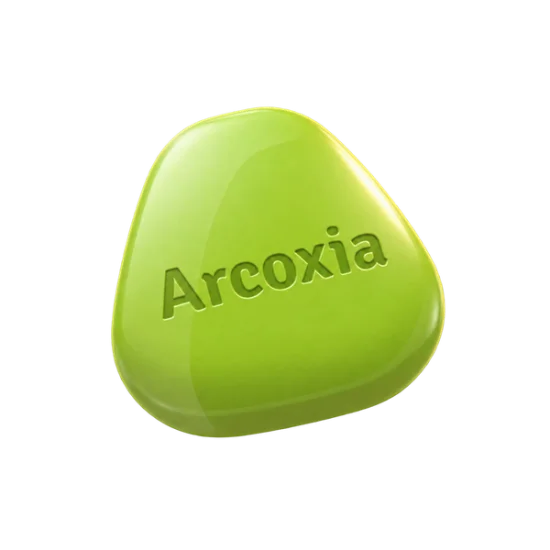
Arcoxia tablets are taken by mouth, usually once daily, with or without food, for inflammatory pain and stiffness caused by arthritis or selected acute pain conditions. Its active ingredient, etoricoxib, reduces prostaglandins that contribute to pain, swelling, and inflammation [1].
About this product
Etoricoxib targets COX-2 more selectively than traditional NSAIDs. This pharmacological profile may reduce some stomach-related effects, though it does not remove the risk of ulcers, bleeding, kidney problems, or cardiovascular complications.
Arcoxia is used under individual prescribing instructions. The amount per intake is selected according to the condition, symptom severity, treatment duration, age, kidney and liver function, and cardiovascular risk.
Pharmacological action
Etoricoxib inhibits the COX-2 enzyme involved in the production of inflammatory prostaglandins. These chemical mediators increase pain sensitivity, promote swelling, and contribute to joint stiffness. By reducing their formation, etoricoxib can lessen inflammatory pain without directly correcting the underlying joint disease.
The European Medicines Agency classifies etoricoxib as a selective COX-2 inhibitor. Clinical guidance treats it as an anti-inflammatory analgesic rather than as a simple occasional painkiller, because treatment choice depends on the diagnosis and the patient’s risk profile.
Etoricoxib does not produce the same type of pain relief as an opioid. It does not act through opioid receptors, and it does not treat pain by causing sedation. Its effect depends on reducing inflammation and pain signalling around affected tissues.
What it contains
Arcoxia tablets are taken by mouth, usually once daily, with or without food, for inflammatory pain and stiffness caused by arthritis or selected acute pain conditions. Its active ingredient, etoricoxib, is a selective cyclo-oxygenase-2 (COX-2) inhibitor within the non-steroidal anti-inflammatory drug (NSAID) class. It reduces prostaglandins that contribute to pain, swelling, and inflammation [1].
Directions for use
The prescribed amount of Arcoxia is selected individually rather than being one fixed dose for every person. Different conditions use different dosing schedules, and treatment for acute pain may have a shorter duration than treatment for chronic inflammatory disease.
- Take the tablet by mouth with water.
- Use it once daily when prescribed for daily treatment.
- Take it with or without food.
- Swallow the tablet whole unless a prescriber has given different instructions.
- Use the shortest treatment duration that provides suitable symptom control.
- Do not take more than the prescribed amount.
- Do not add ibuprofen, naproxen, diclofenac, or another NSAID without specific medical direction.
A missed dose should not be replaced with two tablets. If the next scheduled dose is near, skip the missed dose and return to the usual schedule. If there is ample time before the next dose, follow the individual dosing plan provided for the treatment.
Treatment should be reviewed when pain persists, returns quickly after each dose, or requires repeated courses. Persistent symptoms can require clinical reassessment. Persistent pain may signal uncontrolled arthritis, infection, a fracture, nerve involvement, or another condition requiring different management.
Reasons not to use it
Specific medicine interactions require attention:
- Warfarin and other oral anticoagulants may require closer monitoring because NSAIDs can increase bleeding risk.
- Aspirin can increase gastrointestinal risk, even when low-dose aspirin is used for cardiovascular protection.
- ACE inhibitors, angiotensin-receptor blockers, and diuretics may have reduced blood-pressure effects and may increase kidney risk when combined with an NSAID.
- Lithium concentrations can rise with NSAIDs.
- Methotrexate may require monitoring, depending on the dose and clinical situation.
- Ciclosporin and tacrolimus can increase kidney-related concerns.
- Rifampicin can reduce etoricoxib exposure and may alter its clinical effect.
- Other NSAIDs, including over-the-counter anti-inflammatory painkillers, should not be added routinely.
The WHO identifies NSAID-related kidney and cardiovascular risks as clinically relevant when treatment is combined with dehydration, older age, pre-existing disease, or interacting medicines [2].
When this is not for you
Arcoxia is not suitable for everyone. Talk to a clinician before using it if you have heart or circulation problems, high blood pressure, stomach bleeding, kidney or liver disease, or an allergy to aspirin or another NSAID. It may also be unsuitable during pregnancy, while breastfeeding, or below the approved age for the prescribed indication.
Adverse reactions
Etoricoxib can cause headache, dizziness, indigestion, nausea, abdominal discomfort, diarrhoea, constipation, or swelling from fluid retention. Some people experience increased blood pressure. These effects may be more relevant during prolonged treatment or in people with existing cardiovascular, kidney, or gastrointestinal risk factors.
Possible serious reactions include:
- Chest pain, breathlessness, sudden weakness, or one-sided numbness.
- Black stools, vomiting blood, or severe persistent abdominal pain.
- Marked swelling of the face, lips, tongue, or throat.
- A severe skin rash, blistering, or peeling skin.
- A major reduction in urine output.
- Rapid weight gain caused by fluid retention.
- Yellowing of the skin or eyes.
Seek urgent medical attention for symptoms suggesting a heart attack, stroke, gastrointestinal bleeding, or a severe allergic reaction. The EMA product information identifies cardiovascular and blood-pressure precautions as key considerations with etoricoxib.
One practical detail is easy to miss: ankle swelling may be gradual rather than dramatic. Tight shoes, socks leaving deeper marks, or a small rise in body weight can appear before obvious breathlessness.
Another detail concerns blood pressure. A reading that was previously stable may rise during treatment, especially when etoricoxib is used with medicines that affect kidney function or fluid balance.
Uses
Arcoxia may be prescribed for inflammatory musculoskeletal conditions and selected acute pain episodes. The clinical indication determines the dose and the permitted treatment duration. Treatment duration varies by medical indication.
Common medical uses include:
- Osteoarthritis, where cartilage loss and joint inflammation cause pain and restricted movement.
- Rheumatoid arthritis, an autoimmune condition that produces persistent inflammation in multiple joints.
- Ankylosing spondylitis, where inflammation affects the spine and sacroiliac joints.
- Acute gout attacks, where urate crystals trigger intense inflammation in a joint.
- Short-term dental pain, when an anti-inflammatory analgesic is clinically appropriate.
- Other acute musculoskeletal pain conditions selected by a prescriber.
Etoricoxib can reduce pain and swelling, but it does not remove urate crystals, reverse cartilage loss, or stop the immune process responsible for rheumatoid arthritis. A person with gout still needs condition-specific management after the acute episode. Someone with rheumatoid arthritis may need a disease-modifying antirheumatic drug alongside symptom control.
The treatment period should match the indication. Acute gout and dental pain generally require shorter courses than chronic arthritis, while long-term arthritis treatment calls for regular review of blood pressure, kidney function, gastrointestinal symptoms, and cardiovascular risk.
Symptom response by condition
In osteoarthritis, the main goals are improved movement and reduced joint pain during daily activities. In rheumatoid arthritis and ankylosing spondylitis, etoricoxib may ease inflammatory symptoms but does not replace disease-modifying treatment. During acute gout, pain can be severe even when the medicine is taken correctly, so reassessment is needed if symptoms remain intense.
In clinical practice, the response is judged by function as well as pain intensity. Being able to walk, sleep, climb stairs, or use an affected hand more comfortably provides useful information about benefit.
Comparison
Arcoxia belongs to the selective COX-2 inhibitor group. Traditional NSAIDs inhibit both COX-1 and COX-2 to varying degrees. This difference can influence stomach tolerability, platelet effects, blood pressure, kidney function, and cardiovascular risk.
| Treatment approach | Main pharmacological feature | Main limitation |
|---|---|---|
| Etoricoxib | Preferentially inhibits COX-2 and reduces inflammatory prostaglandins | Cardiovascular, kidney, blood-pressure, and gastrointestinal risks remain |
| Traditional NSAIDs | Inhibit COX-1 and COX-2 to varying degrees | Greater interference with stomach-protective prostaglandins may occur |
A COX-2 inhibitor may be considered when an anti-inflammatory is needed and gastrointestinal risk is a significant part of the treatment decision. This does not make etoricoxib suitable for people with uncontrolled hypertension, established cardiovascular disease, or certain kidney conditions.
Traditional NSAIDs can also be appropriate for some patients. The choice depends on previous response, ulcer history, blood pressure, kidney function, heart disease, age, concurrent medicines, and the shortest suitable treatment duration.
Etoricoxib should not be combined with another NSAID unless a prescriber has given a specific plan. Combining anti-inflammatory medicines rarely improves pain control enough to justify the additional risk of bleeding, kidney injury, fluid retention, and blood-pressure elevation.
Common mistakes
Several practical errors can reduce benefit or increase harm:
- Taking Arcoxia together with ibuprofen or another NSAID.
- Continuing an old prescription after a new cardiovascular or kidney problem develops.
- Doubling the next dose after forgetting one tablet.
- Ignoring a rise in blood pressure because pain relief is good.
- Treating ankle swelling as an unavoidable part of arthritis.
- Using a chronic arthritis schedule for an acute gout episode without individual instructions.
- Stopping prescribed disease-modifying treatment because etoricoxib reduces joint pain.
- Assuming that taking the tablet with food prevents all stomach or bleeding risk.
- Continuing treatment through black stools, vomiting blood, or severe abdominal pain.
- Forgetting to mention aspirin, anticoagulants, lithium, or diuretics.
A useful habit is to keep one complete list of medicines and supplements for every clinical review. This prevents duplicate NSAID use when different products are recommended by different clinicians.
What doctors say
Doctors generally assess three points before prescribing etoricoxib: the diagnosis, the patient’s cardiovascular risk, and the likely treatment duration. A strong anti-inflammatory effect does not compensate for an unsuitable risk profile.
For chronic arthritis, physicians usually prefer the lowest suitable dose for the shortest period that controls symptoms. Regular review becomes more important when treatment continues, when blood pressure rises, or when swelling develops.
A doctor may also ask whether pain is inflammatory. Morning stiffness, joint swelling, warmth, and pain that improves with movement can suggest inflammation, while isolated mechanical pain may require a different treatment approach. This distinction affects whether an NSAID is likely to provide useful relief.
Arcoxia can improve comfort, but patients may still need physiotherapy, weight management, joint-protection strategies, exercise adapted to ability, or disease-modifying treatment. The medicine works best as part of a diagnosis-specific plan rather than as a permanent response to unexplained pain.
Questions and answers
Which diet, exercise, or habits help or hinder Arcoxia treatment?
Gentle movement, prescribed physiotherapy, adequate hydration, and gradual strengthening can support mobility when arthritis is the cause of pain. Excess alcohol may worsen dizziness and can add gastrointestinal or liver-related concerns, while dehydration can increase kidney stress during NSAID treatment. NICE guidance updated in 2022 supports exercise and condition-specific self-management for osteoarthritis alongside appropriate medicines. Arcoxia does not replace weight management or joint rehabilitation. It also does not replace treatment aimed at the underlying disease.
What should I do after missing an Arcoxia dose?
Do not take two tablets to compensate for a missed dose. If the next scheduled dose is close, skip the missed dose; if it is not close, follow the individual schedule provided for your treatment. The EMA product information from 2023 describes missed-dose management as a return to the regular dosing plan rather than dose doubling. Repeated missed doses should prompt a review of the treatment routine, not self-adjustment.
Can Arcoxia be combined with blood-pressure medicines?
Etoricoxib can be used with some blood-pressure medicines only after the combination has been assessed. ACE inhibitors, angiotensin-receptor blockers, and diuretics may become less effective, while kidney stress and fluid retention may increase. The British National Formulary information reviewed in 2025 describes the need for caution and monitoring with NSAIDs used alongside these groups. Blood pressure, swelling, and kidney function are relevant when this combination is prescribed.
Can I drive, concentrate, or operate machinery while taking Arcoxia?
Dizziness, sleepiness, or unusual fatigue can occur with etoricoxib, although many people do not experience these effects. Do not drive, climb, or operate machinery until you know how the tablet affects concentration and balance. The UK Medicines and Healthcare products Regulatory Agency (MHRA) provides driving-safety advice; its 2024 guidance covers medicines that can cause dizziness or impaired alertness. Pain itself can also reduce concentration, so improved symptoms do not guarantee that every activity is immediately safe.
Does Arcoxia cause high blood pressure?
Yes, etoricoxib can raise blood pressure in some people or make previously controlled hypertension harder to manage. The risk deserves attention because the medicine may also cause fluid retention, especially with longer treatment or in people with kidney or heart conditions. The EMA product information from 2023 advises blood-pressure monitoring before and during treatment. A substantial or persistent increase, chest pain, breathlessness, or sudden neurological symptoms requires prompt medical assessment.
Do you offer anonymous delivery?
Your order will be securely packed and shipped within 24 hours. This is exactly what your package will look like (images of an actual item sent). It has the size and look of a regular private letter (24x11x0.7 cm) and its contents cannot be seen.
Comparison
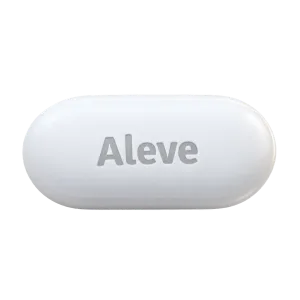
Aleve
Arcoxia Current
Sources
- European Medicines Agency (2023). Arcoxia: Summary of Product Characteristics and Product Information
- World Health Organization (2023). WHO Model List of Essential Medicines