Skip to content
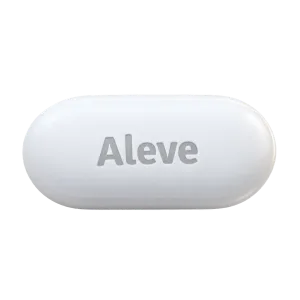
Aleve
Active ingredient: Naproxen

Aleve

Quality products
24/7 Support
Fast delivery
Delivery from 4 days
Select pack Package Per unit Price

Free delivery on orders from AED 796.00, free express delivery from AED 1,194.00

Secure Payments
Track your order
Best price guarantee

Aleve contains naproxen sodium, an NSAID that reduces pain and inflammation by lowering prostaglandin production. It is used by adults for headaches, muscle aches, back pain, menstrual pain, and arthritis-related discomfort. Its longer action can provide relief for several hours after one dose.

About this product

Aleve contains naproxen sodium, a nonsteroidal anti-inflammatory drug (NSAID). Naproxen sodium is converted to naproxen in the body and reduces the production of prostaglandins, chemical messengers involved in pain, swelling, and fever.

Mechanism of Action in Pain Management

Naproxen blocks cyclooxygenase enzymes, known as COX-1 and COX-2. These enzymes help produce prostaglandins. Lower prostaglandin levels reduce the sensitivity of pain nerves and decrease inflammatory swelling.

The effect is different from acetaminophen, which mainly reduces pain and fever through central nervous system pathways and has limited anti-inflammatory action. It also differs from opioid analgesics, which act on opioid receptors and can cause dependence and respiratory depression.

Clinical information from the U.S. Food and Drug Administration describes naproxen as an NSAID with analgesic, antipyretic, and anti-inflammatory activity [1].

Pharmacological action

Naproxen blocks cyclooxygenase enzymes, known as COX-1 and COX-2. These enzymes help produce prostaglandins. Lower prostaglandin levels reduce the sensitivity of pain nerves and decrease inflammatory swelling.

The effect is different from acetaminophen, which mainly reduces pain and fever through central nervous system pathways and has limited anti-inflammatory action. It also differs from opioid analgesics, which act on opioid receptors and can cause dependence and respiratory depression.

What it contains

  • Active ingredient: naproxen sodium
  • Drug class: NSAID
  • Main actions: pain relief, reduction of inflammation, and fever reduction
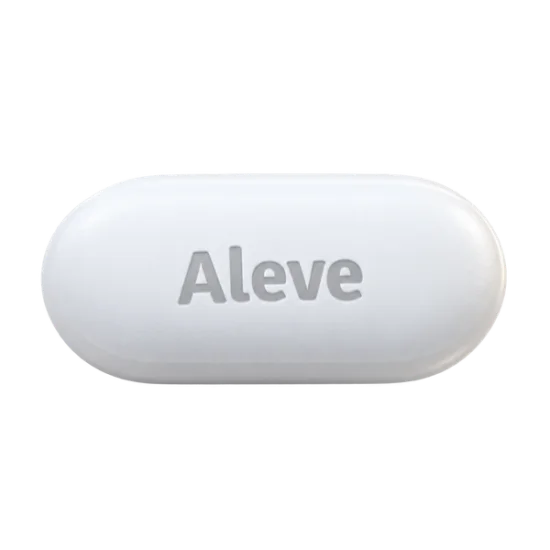
  • Dosage form: oral tablets
  • Typical uses: headache, dental pain, muscle aches, back pain, menstrual cramps, sprains, and arthritis symptoms

Directions for use

There is no single amount that suits every person. Dosing differs between strengths and between users, so the correct regimen depends on the specific tablet strength, age, indication, other medicines, and kidney, liver, stomach, and cardiovascular health.

Use Aleve tablets by mouth according to the dose designated for the strength supplied and the intended indication. Practical administration principles include:

  • Swallow the tablet with a full glass of water.
  • Take it with food or milk if it causes stomach discomfort.
  • Use the lowest dose that controls symptoms.
  • Keep doses as far apart as the approved regimen requires.
  • Do not combine it with another NSAID, such as ibuprofen, diclofenac, or aspirin for pain.
  • Avoid extending self-treatment when pain continues or worsens.
  • If a dose is missed, take it when remembered unless the next scheduled dose is near; do not double the amount.

Do not crush, chew, or split a tablet unless the specific product instructions permit it. A damaged tablet may be harder to swallow and may alter how the dose is delivered.

Maximum daily exposure depends on the product strength and the reason for treatment. The U.S. FDA prescribing information distinguishes prescription regimens from non-prescription naproxen use, so a prescription schedule should not be copied for self-treatment [2].

Taking naproxen after a meal may improve stomach comfort, but food does not remove the risk of ulceration or bleeding. It also does not make combining two NSAIDs acceptable.

Reasons not to use it

  • Previous allergic reaction to naproxen, aspirin, ibuprofen, or another NSAID
  • Aspirin-sensitive asthma or a history of NSAID-triggered wheezing
  • Active stomach ulcer or gastrointestinal bleeding
  • Previous serious ulcer or gastrointestinal haemorrhage
  • Severe kidney disease
  • Severe liver disease
  • Uncontrolled heart failure
  • Recent heart attack or major cardiovascular disease
  • Use around the time of coronary artery bypass surgery
  • Pregnancy from 20 weeks onward unless specifically directed by an obstetric clinician, with stronger restrictions later in pregnancy
  • Current treatment with another NSAID

Naproxen may interact with warfarin, apixaban, rivaroxaban, clopidogrel, corticosteroids, selective serotonin reuptake inhibitors, lithium, methotrexate, ciclosporin, tacrolimus, diuretics, ACE inhibitors, and angiotensin receptor blockers. These combinations can increase bleeding risk, reduce kidney function, or alter the effect of another medicine.

When this is not for you

Aleve may not be for you if you have an NSAID allergy, active gastrointestinal bleeding, severe kidney disease, or a cardiovascular risk that requires another treatment plan.

Alcohol can worsen stomach irritation and may increase the likelihood of gastrointestinal bleeding. Regular heavy alcohol use also adds separate liver and cardiovascular concerns.

Adverse reactions

The most common problems involve the digestive system. Possible effects include indigestion, heartburn, stomach pain, nausea, constipation, diarrhoea, and bloating. Taking the tablet with food may reduce irritation, though it cannot prevent an ulcer or gastrointestinal bleed.

NSAIDs can cause serious adverse effects, including:

  • Stomach or intestinal ulceration
  • Gastrointestinal bleeding
  • Kidney injury or reduced kidney function
  • Fluid retention and ankle swelling
  • Increased blood pressure
  • Worsening heart failure
  • Severe allergic reactions
  • Skin reactions such as blistering or peeling
  • Cardiovascular events, including heart attack or stroke

Seek urgent medical care for vomiting blood, black or bloody stools, sudden chest pain, weakness on one side, facial swelling, wheezing, fainting, or a rapidly spreading blistering rash.

One practical detail is easy to miss: a stomach bleed can begin without dramatic pain. New tiredness, dizziness, or breathlessness may reflect blood loss and should not be dismissed when naproxen is being used.

Another detail concerns fluid balance. Reduced urination, sudden weight gain, or swelling after starting an NSAID can signal kidney or heart-related complications, especially in older adults or people taking diuretics.

The FDA boxed warning for prescription NSAIDs covers cardiovascular and gastrointestinal risks, including events that may occur early in treatment [3].

Uses

Aleve may help with pain linked to inflammation or tissue irritation. The most suitable use depends on the cause, severity, duration, and medical history of the pain.

Common uses include:

  • Tension-type headache
  • Toothache
  • Menstrual cramps
  • Muscle aches after physical activity
  • Lower back pain
  • Minor sprains and strains
  • Joint pain associated with osteoarthritis
  • Rheumatoid arthritis symptoms under medical supervision
  • Fever accompanied by minor aches
Symptom or condition Expected role of naproxen sodium Important limitation
Headache, toothache, or menstrual pain Reduces pain and inflammation Persistent or severe pain needs assessment
Muscle aches, back pain, sprains May reduce inflammatory discomfort It does not repair an injury
Osteoarthritis or rheumatoid arthritis Helps control pain, swelling, and stiffness Long-term use requires medical monitoring

Aleve can reduce symptoms without treating the underlying cause. A headache with neurological symptoms, sudden severe pain, black stools, chest pain, or a serious injury requires prompt medical attention rather than repeated self-treatment.

For pain lasting several days, record when it begins, what triggers it, and whether swelling or fever is present. This information helps a clinician distinguish a short-lived strain from an inflammatory or infectious cause.

Comparison

Naproxen sodium, ibuprofen, and acetaminophen have different mechanisms and risk profiles. The best option depends on whether inflammation is present and whether the person has stomach, kidney, liver, blood pressure, or cardiovascular concerns.

Option Main pharmacological role Typical practical difference
Naproxen sodium NSAID for pain, inflammation, and fever Longer action; greater concern for gastrointestinal, kidney, and cardiovascular effects
Ibuprofen NSAID for pain, inflammation, and fever Often shorter acting; similar NSAID interaction and bleeding concerns
Acetaminophen Central pain and fever relief Less anti-inflammatory activity; excessive use can injure the liver

Naproxen may suit inflammatory pain that returns quickly between doses. Ibuprofen may be selected when a shorter duration is preferred, especially when the person needs more flexibility around dosing. Acetaminophen can be considered when anti-inflammatory action is not needed, though liver disease, heavy alcohol use, and duplicate acetaminophen products require special caution.

Naproxen is not automatically safer because it lasts longer. A longer action can be useful, but it also means that interactions and adverse effects may continue for more time.

Common mistakes

Several practical errors can reduce benefit or increase harm:

  • Taking Aleve together with ibuprofen for stronger relief
  • Using aspirin for pain while also taking naproxen
  • Repeating doses sooner than directed because the pain has not fully settled
  • Taking naproxen despite black stools or a previous ulcer
  • Forgetting to mention anticoagulants or steroid treatment
  • Continuing daily self-treatment for an unexplained pain problem
  • Assuming food prevents all stomach complications
  • Taking it during dehydration caused by vomiting, diarrhoea, heat exposure, or poor fluid intake
  • Ignoring ankle swelling or reduced urination
  • Using several cold, flu, or pain products without checking whether they contain an NSAID

A frequent mistake is treating a chronic joint problem as repeated short-term pain. If stiffness, swelling, or reduced movement keeps returning, the underlying condition may need a planned treatment approach.

Before starting naproxen, write down every painkiller, cold remedy, blood thinner, steroid, and blood-pressure medicine being used. Duplicate NSAID exposure is one of the most preventable safety problems.

What doctors say

In clinical practice, doctors usually assess the pain source before choosing an NSAID. Naproxen is more logical when inflammation, swelling, or stiffness forms part of the problem. It is less useful when pain has a non-inflammatory cause or when repeated treatment is masking an undiagnosed condition.

A physician also reviews age, blood pressure, kidney function, ulcer history, pregnancy status, and current medicines. Older adults may have increased sensitivity even when they have used NSAIDs before without trouble.

A common prescribing principle is to avoid escalating the dose simply because pain has not disappeared immediately. The cause may require a different treatment, physical rehabilitation, dental care, infection management, or investigation rather than more naproxen.

WHO guidance on the safe use of analgesic medicines supports choosing treatment according to the pain mechanism and the person’s medical risk factors [4].

Questions and answers

Can people under 18 use Aleve?

Children and teenagers should not use adult Aleve tablets unless a clinician has selected the appropriate formulation and dose. Age, body weight, medical condition, hydration, and other medicines affect NSAID safety. The American Academy of Pediatrics and FDA materials distinguish paediatric dosing from adult self-treatment in guidance available before 2026. For a person under 18, the indication and dose should be established by a qualified clinician rather than copied from an adult regimen.

How should Aleve be stored at home or during travel?

Keep Aleve tablets in a dry place at ordinary room temperature, away from excessive heat, moisture, and direct sunlight. A bathroom cabinet is often unsuitable because repeated humidity can affect tablets. During travel, keep the medicine in its labelled dispensing container or pharmacy-provided packaging so the strength and name remain identifiable. EMA storage guidance from 2019 supports protecting tablets from heat and moisture; avoid leaving them in a parked vehicle.

How soon can Aleve start relieving pain?

Naproxen sodium may begin reducing pain within about one hour, though the response varies with the type and severity of pain. Inflammatory joint symptoms may improve progressively rather than disappearing after one tablet. FDA pharmacology information from 2023 describes naproxen as a relatively long-acting NSAID, with effects that can continue for many hours. If pain worsens, persists, or needs repeated self-treatment, the cause needs clinical assessment rather than indefinite dose escalation.

Can Aleve cause heartburn?

Yes. Heartburn, indigestion, nausea, and stomach pain are recognised NSAID effects because naproxen can irritate the gastrointestinal lining. Taking it with food may improve comfort but does not eliminate the risk of ulceration or bleeding. The FDA's 2015 warning states that serious gastrointestinal events can occur without warning symptoms, so black stools, vomiting blood, faintness, or severe abdominal pain require urgent medical attention. Persistent heartburn during use is a reason to stop self-treatment and obtain medical advice.

What should be discussed with a doctor before starting Aleve?

Discuss any history of stomach ulcer, gastrointestinal bleeding, asthma triggered by aspirin or NSAIDs, kidney disease, liver disease, heart failure, high blood pressure, or cardiovascular disease. Provide a complete list of medicines, especially anticoagulants, antiplatelet medicines, corticosteroids, SSRIs, diuretics, ACE inhibitors, and angiotensin receptor blockers. Pregnancy, planned surgery, regular alcohol use, and dehydration also change the risk assessment. MOHAP-aligned clinical practice guidance from 2024 treats these factors as relevant when evaluating NSAID use.

Do you offer anonymous delivery?

Your order will be securely packed and shipped within 24 hours. This is exactly what your package will look like (images of an actual item sent). It has the size and look of a regular private letter (24x11x0.7 cm) and its contents cannot be seen.

Comparison

Compare treatments for Pain Relief

How should Aleve be stored at home or during travel?

Keep Aleve tablets in a dry place at ordinary room temperature, away from excessive heat, moisture, and direct sunlight. A bathroom cabinet is often unsuitable because repeated humidity can affect tablets. During travel, keep the medicine in its labelled dispensing container or pharmacy-provided packaging so the strength and name remain identifiable. EMA storage guidance from 2019 supports protecting tablets from heat and moisture; avoid leaving them in a parked vehicle.

Sources

  1. U.S. Food and Drug Administration (2015). Medication Guide: Nonsteroidal Anti-inflammatory Drugs (NSAIDs).
  2. U.S. Food and Drug Administration (2023). Aleve (naproxen sodium) Drug Facts.
  3. U.S. Food and Drug Administration (2020). Nonsteroidal Anti-inflammatory Drugs: Drug Safety Communication.
  4. World Health Organization (2019). WHO Guidelines for the Pharmacological and Radiotherapeutic Management of Cancer Pain in Adults and Adolescents.

Aleve: What Customers Say

3
Based on 3 reviews
Karim, 44 Hatta One day
Verified
Rating: 3 out of 5

The first dose reduced the ache enough for me to move around normally. I took it with dinner because it felt rough on my stomach when I tried it earlier.

27 Oct 2026
Tariq, 66 Bur Dubai Several days
Verified
Rating: 3 out of 5

It helped the swelling and lasted longer than the pain tablets I had used before. After several days I noticed ankle puffiness, so I stopped self-treating and arranged a medical review.

1 Oct 2026
Nadeem B., 66 Al Ain A short period
Verified
Rating: 3 out of 5

The pain eased during the day, but I developed heartburn and did not continue with it. The relief was useful, although the stomach problem made it unsuitable for me.

17 Oct 2026
Get our free app Shop faster and track your orders Install