I noticed more physical sensitivity after a few attempts, but it did not change my mood or desire. I also had facial warmth and a mild headache, so I avoided alcohol afterward.
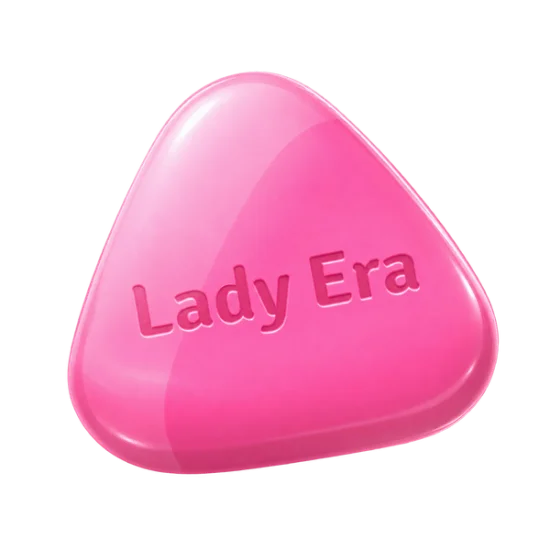
Lady Era is intended for women experiencing difficulties with sexual arousal or desire, with sildenafil as its active ingredient. It belongs to the PDE5-inhibitor class and may support genital blood flow during sexual stimulation.
About this product
Its use in women is clinically different from sildenafil treatment for male erectile dysfunction.
Lady Era contains sildenafil, a phosphodiesterase type 5 inhibitor. The tablets are designed for oral administration.
Pharmacological action
Sexual stimulation activates nitric oxide signalling in genital vascular tissue. Nitric oxide increases cGMP, which relaxes smooth muscle and permits greater blood flow. PDE5 normally breaks down cGMP; sildenafil slows that breakdown.
The mechanism is supportive rather than initiating. Without sexual stimulation, sildenafil is unlikely to produce a meaningful arousal response. This explains why the drug cannot be treated as a general libido enhancer.
Sildenafil’s established treatment role concerns erectile dysfunction, where penile vascular relaxation supports erection. In women, the same pathway may increase clitoral and vulvovaginal blood flow, yet clinical outcomes are less predictable because desire, arousal, orgasm, and pain are separate components of sexual function.
Clinical assessments commonly distinguish:
- Desire: interest or motivation for sexual activity.
- Arousal: mental and physical sexual response.
- Lubrication and genital response: vascular and autonomic changes.
- Orgasm: release of sexual tension.
- Genito-pelvic pain: discomfort that can suppress sexual activity.
Lady Era may be more biologically relevant to the vascular component than to desire caused by emotional, hormonal, or neurological factors.
The FDA prescribing information for sildenafil describes PDE5 inhibition, smooth-muscle relaxation, and blood-pressure effects in detail [1].
What it contains
Lady Era contains sildenafil, a phosphodiesterase type 5 inhibitor. The tablets are designed for oral administration. Sildenafil may support genital blood flow during sexual stimulation. Its use in women is clinically different from sildenafil treatment for male erectile dysfunction.
Directions for use
- Lady Era tablets are taken orally.
- The tablets contain sildenafil, a phosphodiesterase type 5 inhibitor that may support genital blood flow during sexual stimulation.
- Lady Era is intended for women experiencing difficulties with sexual arousal or desire, particularly when impaired genital response appears linked to vascular function.
- The treatment regimen for the chosen strength is confirmed with a healthcare professional before starting.
Reasons not to use it
- Nitrate medicines for angina, including glyceryl trinitrate or isosorbide preparations.
- Riociguat.
- Unstable cardiovascular disease.
- Significant liver disease or severe kidney impairment.
- A recent stroke, heart attack, unstable angina, or serious rhythm disorder.
- Retinal vascular disease or previous non-arteritic anterior ischaemic optic neuropathy.
- Known allergy to sildenafil or tablet ingredients.
Avoid combination with riociguat. This medicine also stimulates the nitric oxide pathway, and the combined effect may produce severe hypotension.
The EMA information for sildenafil identifies nitrate therapy, riociguat, cardiovascular risk, visual symptoms, and interaction pathways as key safety considerations [4].
When this is not for you
Lady Era is not for you if you use nitrates or riociguat, have unstable cardiovascular disease, or have been advised to avoid sexual activity.
Tell the prescriber about medicines for chest pain, blood pressure, pulmonary hypertension, HIV treatment, and antifungal therapy. These groups can change sildenafil exposure or make the blood-pressure effect unsafe.
The drug should not be used to self-treat sexual symptoms during pregnancy.
Adverse reactions
Sildenafil can produce systemic vascular effects. Common reactions include headache, facial flushing, nasal congestion, indigestion, nausea, dizziness, and visual changes. The intensity often depends on dose, individual sensitivity, blood pressure, and interacting medicines.
Visual symptoms may include blurred vision, altered colour perception, or increased sensitivity to light. These effects are linked to PDE6 inhibition in the retina and usually resolve as the drug leaves the body. Sudden vision loss requires urgent medical assessment.
Serious reactions are uncommon but require rapid attention:
- Chest pain, fainting, or severe dizziness.
- Sudden loss of vision or hearing.
- A severe allergic reaction with swelling or breathing difficulty.
- A prolonged, painful genital erection, although this is much less typical in women.
- Marked blood-pressure reduction after an interacting medicine.
Headache is often manageable with rest and hydration, but repeated severe headache can indicate excessive exposure or an unsuitable regimen. Nausea may be less troublesome when the medicine is taken with a light meal, though a heavy meal can delay absorption.
One practical detail matters: sildenafil tablets should not be crushed or divided unless the prescribed regimen specifically allows it. Altering a tablet can make accurate dosing harder, especially when the tablet is not designed for splitting.
Another useful point concerns driving. Dizziness or visual disturbance can impair safe driving, cycling, or machinery work. The first dose should not be treated as a good time to test alertness before an important journey.
Uses
Lady Era is intended for women experiencing difficulties with sexual arousal or desire, with sildenafil as its active ingredient.
Lady Era may be considered when impaired genital response appears linked to vascular function. A central treatment may be more relevant when the dominant problem is persistent desire loss. Neither approach is suitable for every cause of sexual difficulty.
Comparison
Female sexual dysfunction requires a careful diagnosis because the same symptom can arise from diabetes, cardiovascular disease, menopause-related changes, depression, pain, or a medicine. Regulatory decisions also depend on the specific condition studied, the population enrolled, and the benefit–risk balance.
The FDA has approved medicines for selected cases of acquired, generalized hypoactive sexual desire disorder in premenopausal women. These treatments work through different pathways from sildenafil.
| Treatment | Active ingredient and mechanism | Clinical context |
|---|---|---|
| Lady Era | Sildenafil; PDE5 inhibition and vascular relaxation | Female-targeted sildenafil formulation; use depends on clinical assessment |
| Addyi | Flibanserin; central serotonergic modulation | Approved by the FDA for selected premenopausal women with acquired, generalized HSDD |
| Vyleesi | Bremelanotide; melanocortin-receptor agonism | Injectable treatment for selected premenopausal women with acquired, generalized HSDD |
Addyi and Vyleesi are not interchangeable with sildenafil. Flibanserin is taken as a regular treatment and has alcohol-related precautions, while bremelanotide is used before anticipated sexual activity and can cause transient blood-pressure elevation. Sildenafil mainly affects vascular signalling.
The FDA approval history for Addyi and Vyleesi does not establish that every woman with low desire will benefit. Diagnosis remains central. A medicine aimed at desire may be more suitable than a vascular agent when the main symptom is persistent lack of sexual interest without a genital arousal problem.
Comparison by Pharmacological Approach
Lady Era is best understood by mechanism rather than by brand positioning. Sildenafil-based formulations share the same active pathway, while centrally acting treatments target desire or arousal through different biological systems.
| Approach | Main pharmacological target | Typical clinical focus |
|---|---|---|
| Sildenafil-based treatment | PDE5 and genital vascular response | Physical arousal and blood-flow component |
| Flibanserin | Serotonin and dopamine signalling | Persistent low sexual desire in selected premenopausal women |
| Bremelanotide | Melanocortin receptors | Acquired, generalized low desire in selected premenopausal women |
Lady Era may be considered when impaired genital response appears linked to vascular function. A central treatment may be more relevant when the dominant problem is persistent desire loss. Neither approach is suitable for every cause of sexual difficulty.
Female sexual dysfunction can also involve pain, pelvic-floor dysfunction, menopause-related tissue changes, trauma, medication effects, or relationship stress. Treating blood flow alone may leave the main cause unchanged.

Common mistakes
Several practical errors can reduce benefit or increase risk:
- Using sildenafil with nitrate medicine or riociguat.
- Assuming it will increase sexual desire without sexual stimulation.
- Taking an additional dose because the first response seems limited.
- Combining it with heavy alcohol intake.
- Ignoring new visual symptoms.
- Using it despite chest pain or unexplained exertional breathlessness.
- Failing to mention antidepressants, antifungals, or HIV medicines.
- Treating persistent pelvic pain as a simple arousal problem.
- Driving before knowing whether dizziness or blurred vision occurs.
- Expecting a single dose to resolve relationship, hormonal, or psychological contributors.
If a planned dose is missed, do not double the next dose. The next step depends on the regimen confirmed before treatment begins, and extra sildenafil can increase adverse effects without improving the outcome.
What doctors say
In clinical practice, physicians usually separate low desire from poor physical arousal before considering sildenafil. A woman may report wanting sexual activity but experiencing insufficient genital response; another may have no interest because of depression, pain, hormonal change, or medication effects. Those situations require different treatment strategies.
Doctors also assess cardiovascular tolerance. Sildenafil lowers vascular resistance, so a history of fainting, unstable heart disease, or several blood-pressure medicines changes the risk calculation.
A realistic expectation is gradual learning about response and tolerability, not an automatic effect after every tablet. Clinical trials of PDE5 inhibitors in women have produced mixed findings, which is why patient selection matters.
A clinician may also review vaginal symptoms, pelvic-floor function, sleep, stress, and medication history. This broader assessment often reveals a treatable factor that a blood-flow medicine alone would miss.
Questions and answers
Does Lady Era cause headaches or visual changes?
Headache, flushing, dizziness, indigestion, nausea, and visual disturbance are recognised sildenafil effects. FDA safety information available in 2024 describes these reactions as consequences of PDE5-related vascular and retinal enzyme activity . Sudden vision loss, severe dizziness, chest pain, or fainting requires urgent medical attention. Repeated symptoms suggest that the regimen or the treatment choice needs review. Persistent or severe symptoms should be reviewed by a clinician.
What should I do after missing a dose?
Lady Era is generally used around planned sexual activity rather than as a routine daily medicine, so a missed dose is not replaced with an extra tablet. The regimen for the chosen strength must be confirmed with a healthcare professional before starting. FDA prescribing information from 2024 advises against taking more than the recommended amount within the same period. Do not double the next dose to compensate.
Can Lady Era be combined with blood-pressure medicines or supplements?
Some blood-pressure medicines can intensify sildenafil-related dizziness or hypotension, while nitrates and riociguat create a high-risk interaction. The FDA’s 2024 sildenafil information identifies these combinations as clinically significant. Supplements marketed for sexual performance may contain vasodilating or stimulant substances, so combining them with sildenafil can make effects unpredictable. A complete medicine and supplement list should be reviewed before treatment.
How long does a course last, and is long-term use acceptable?
The duration depends on the underlying symptom, response, tolerability, and treatment plan. FDA-approved options such as Addyi and Vyleesi have different schedules and indications from sildenafil, as reflected in FDA prescribing information available in 2024 [2][3]. Long-term use should involve periodic review of cardiovascular risk, side effects, and whether the original cause of sexual dysfunction has been addressed. A continuing course should not be extended by repeatedly increasing doses.
What is the best time of day to take Lady Era?
There is no universal morning or evening time because the relevant timing relates to anticipated sexual activity and the regimen confirmed before treatment. Sildenafil is generally used before sexual stimulation, with the exact interval determined by the prescribed instructions. EMA product information published in 2025 for sildenafil describes use in relation to sexual activity rather than a fixed daily clock time. Avoid taking it when you may need to drive until you know whether dizziness or visual effects occur.
Do you offer anonymous delivery?
Your order will be securely packed and shipped within 24 hours. This is exactly what your package will look like (images of an actual item sent). It has the size and look of a regular private letter (24x11x0.7 cm) and its contents cannot be seen.
Comparison
Sources
- U.S. Food and Drug Administration (2024). Viagra (sildenafil citrate) Prescribing Information
- U.S. Food and Drug Administration (2024). Addyi (flibanserin) Prescribing Information
- U.S. Food and Drug Administration (2024). Vyleesi (bremelanotide) Prescribing Information
- European Medicines Agency (2025). Sildenafil-containing medicines: product information