Al Ain, started with one tablet in the morning and reached the maintenance schedule gradually. He reported less evening snacking after several weeks, but nausea was uncomfortable during the first dose increases. Taking the tablet with a lighter meal helped him continue.
Contrave combines naltrexone and bupropion to influence brain pathways involved in appetite and food reward. It is intended for adults with obesity, or overweight adults with weight-related health problems, alongside a reduced-calorie diet and increased physical activity. The tablets help reduce hunger and cravings for some patients.
About this product
Contrave is a prescription treatment for chronic weight management in adults with obesity, or in adults who are overweight and have a weight-related condition such as type 2 diabetes, high blood pressure, or abnormal blood lipid levels.
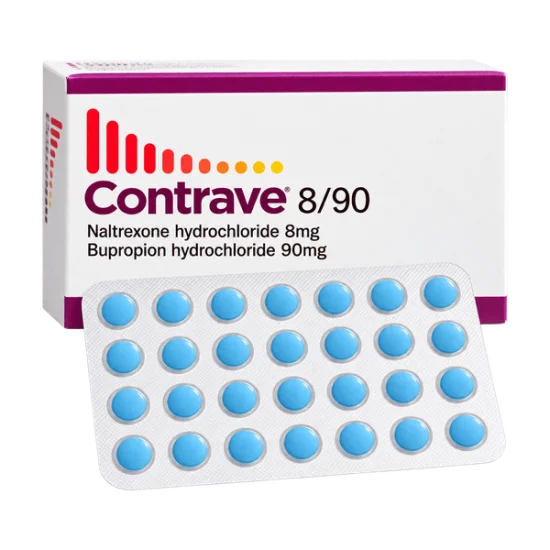
Contrave tablets contain naltrexone hydrochloride and bupropion hydrochloride. The product is an extended-release combination of an opioid antagonist and an aminoketone antidepressant-related compound. The regimen for the chosen strength should be confirmed with a healthcare professional before starting.
Pharmacological action
Bupropion influences noradrenaline and dopamine signalling. It also stimulates pro-opiomelanocortin, or POMC, neurons in the hypothalamus. These neurons produce signals associated with reduced food intake and increased energy expenditure.
Naltrexone blocks opioid receptors. In the appetite pathway, opioid signalling can reduce the activity of POMC neurons, so naltrexone may help prevent that feedback effect. The two active substances therefore act on linked appetite and reward pathways rather than simply producing a stimulant effect.
Neural Regulation of Appetite and Cravings
The hypothalamus helps coordinate hunger, satiety, and energy balance. The mesolimbic dopamine circuit contributes to reward and motivation, including the reinforcing effects of highly palatable food. Contrave acts on both systems through the combined pharmacology of bupropion and naltrexone.
What it contains
Contrave tablets contain naltrexone hydrochloride and bupropion hydrochloride. The product is an extended-release combination of an opioid antagonist and an aminoketone antidepressant-related compound. The formulation releases the ingredients gradually rather than delivering them as an immediate single burst.
Pharmacological Profile of Bupropion and Naltrexone
Bupropion is converted partly into active metabolites, including hydroxybupropion. Its effect on noradrenergic and dopaminergic signalling may influence food-related reward, motivation, and cravings.
Naltrexone has opioid-receptor antagonist activity. This matters clinically because opioid-containing pain medicines may not work as expected during treatment and can create serious safety problems if patients attempt to overcome the blockade with higher doses.
Directions for use
- Take Contrave 8/90 extended-release tablets by mouth.
- Each tablet contains 8 mg of naltrexone hydrochloride and 90 mg of bupropion hydrochloride.
- Confirm the dose and frequency with a healthcare professional before starting; the exact number of tablets and times per day are not specified here.
- Confirm the timing in relation to meals and the duration of treatment with a healthcare professional before starting.
Reasons not to use it
Contrave is unsuitable for people with:
- A current or previous seizure disorder.
- Bulimia or anorexia nervosa.
- Abrupt withdrawal from alcohol, benzodiazepines, barbiturates, or antiseizure medicines.
- Current treatment with another bupropion-containing product.
- A known allergy to naltrexone, bupropion, or an excipient.
- Uncontrolled hypertension.
The product is also contraindicated with monoamine oxidase inhibitors, including within the required washout period after an MAOI. Combining medicines that contain bupropion can raise total exposure and seizure risk.
Naltrexone creates a separate safety issue. Contrave must not be used with regular opioid analgesics, opioid dependence treatment, methadone, buprenorphine, or opioid-containing cough and diarrhoea medicines.
When this is not for you
This medication is not for you if you have a seizure disorder, a current or past eating disorder involving bingeing or restriction, uncontrolled high blood pressure, or abrupt withdrawal from alcohol or sedatives. It is also unsuitable if you are taking another bupropion product or an MAOI.
It is not for you if you use opioid painkillers, methadone, buprenorphine, or opioid-containing cough and diarrhoea medicines. Tell the prescriber about antidepressants, antipsychotics, sedatives, anticonvulsants, medicines for Parkinson’s disease, and treatments that affect CYP2B6 metabolism.
Pregnancy is addressed separately because weight loss provides no treatment benefit during pregnancy and may harm fetal growth. Breastfeeding also requires a specific risk assessment because both active substances can enter breast milk.
Adverse reactions
The most frequently reported adverse reactions include nausea, constipation, headache, vomiting, dizziness, dry mouth, diarrhoea, and trouble sleeping. Nausea is often most troublesome during the initial titration period, when the daily amount is increasing.
| Symptom | Practical clinical context | What can help |
|---|---|---|
| Nausea or vomiting | Often appears during dose escalation | Smaller meals, adequate fluids, and slower escalation when prescribed |
| Constipation or dry mouth | May occur with reduced food intake and altered autonomic signalling | Fluids, fibre, movement, and review of other constipating medicines |
| Headache or dizziness | Can be more noticeable early in treatment | Rise slowly, avoid driving until the effect is clear, and monitor blood pressure |
Diarrhoea can also occur. Persistent vomiting or diarrhoea can cause dehydration and may make dizziness more pronounced.
Headache may improve as the body adjusts. Dizziness deserves more caution if it occurs with fainting, palpitations, severe weakness, or a marked rise in blood pressure.
Uses
Contrave is a prescription treatment for chronic weight management in adults with obesity, or in adults who are overweight and have a weight-related condition such as type 2 diabetes, high blood pressure, or abnormal blood lipid levels. It works as part of a wider plan that includes reduced calorie intake and regular physical activity.
Clinical weight-management treatment commonly considers a body mass index (BMI) of at least 30 kg/m² as obesity, or at least 27 kg/m² when a weight-related medical condition is also present. BMI is only one part of the assessment. Waist measurement, metabolic health, medicines, eating patterns, and previous weight-management attempts also influence prescribing decisions.
The FDA prescribing information describes Contrave as an adjunct treatment rather than a stand-alone approach [1]. Its purpose is weight management, not treatment of every condition associated with appetite, mood, or substance use.
Approved Indications for Weight Management
Contrave may be considered when weight reduction could improve health risks linked with excess body weight. The treatment is designed to support reduced food intake by acting on central nervous system pathways involved in appetite regulation and reward.
The usual clinical plan includes:
- A reduced-calorie eating pattern.
- Increased physical activity suited to the person’s health.
- Gradual dose escalation to improve tolerability.
- Regular review of weight response, blood pressure, mood, and adverse effects.
- Continuation only when the prescriber considers the response clinically meaningful.
Contrave does not replace treatment for diabetes, hypertension, sleep apnoea, or abnormal cholesterol. Those conditions may still need separate management.
Conditions Not Treated by Contrave
Bupropion is used as an active ingredient in some medicines for depression or smoking cessation, while naltrexone is used in treatment programs involving opioid or alcohol dependence. Contrave combines both substances for chronic weight management. The combination should not be selected as a substitute for a separately indicated antidepressant, smoking-cessation treatment, or addiction-treatment regimen.

Comparison
Contrave is an oral, centrally acting combination. Other weight-management approaches work through different mechanisms and may be chosen when cardiovascular status, diabetes, gastrointestinal tolerance, pregnancy plans, or medication interactions change the risk-benefit balance.
| Approach | Main action | Common limitation |
|---|---|---|
| Naltrexone/bupropion | Appetite and reward-pathway modulation | Nausea, insomnia, blood-pressure concerns, seizure and opioid restrictions |
| GLP-1 receptor agonist therapy | Glucose-dependent appetite and gastric-emptying effects | Injectable administration for many products and gastrointestinal adverse effects |
| Orlistat-type therapy | Reduces intestinal fat absorption | Oily stools, urgency, and reduced absorption of some nutrients |
The best option depends on the person’s medical history, current medicines, eating pattern, and ability to tolerate adverse effects. Contrave is unsuitable when opioid treatment is essential or seizure risk is elevated.
Common mistakes
Several avoidable errors can reduce tolerability or create preventable risk:
- Starting at the full maintenance dose instead of escalating gradually.
- Taking a missed dose together with the next dose.
- Crushing or chewing the extended-release tablets.
- Taking the evening dose near bedtime despite insomnia.
- Combining Contrave with another bupropion-containing product.
- Failing to mention opioid painkillers, cough medicines, methadone, or buprenorphine.
- Assuming that a previous tolerance of bupropion removes the seizure risk of the combination.
- Stopping suddenly after severe mood changes without obtaining urgent clinical help.
- Continuing treatment despite repeated vomiting, fainting, severe headache, or major blood-pressure symptoms.
One practical detail is easy to miss: naltrexone may block opioid analgesia even when the opioid is prescribed for a short course. This interaction should be discussed before treatment begins, not when severe pain has already developed.
What doctors say
In clinical practice, prescribers usually set expectations before the first tablet: Contrave supports behavioural changes but does not remove the need for calorie reduction and physical activity. The first month is mainly used to reach the tolerated maintenance dose.
A physician will usually review blood pressure, mood, sleep, constipation, nausea, opioid use, and other bupropion exposure. Weight alone does not tell the full story. Waist circumference, blood glucose, mobility, and control of food cravings can also be relevant outcomes.
The European Medicines Agency describes the related naltrexone/bupropion product class as requiring ongoing assessment of response and tolerability [2]. A patient who feels no meaningful benefit after an adequate trial should not increase the dose independently.
Questions and answers
Can older adults use Contrave?
Older adults may use Contrave only after an assessment of kidney function, liver function, blood pressure, sleep, falls risk, and interacting medicines. FDA clinical information from 2024 indicates that older patients may be more sensitive to dizziness, constipation, confusion, and changes in blood pressure. Age alone does not determine suitability, but multiple medicines can increase the chance of interactions. WHO obesity guidance from 2023 supports individualised treatment when weight-related disease and functional health are considered together.
Does Contrave cause nausea?
Nausea is one of the most common adverse effects reported with Contrave, especially during the first weeks of dose escalation. FDA safety information dated 2024 describes nausea, vomiting, constipation, headache, dry mouth, and dizziness among recognised reactions. Smaller meals, adequate fluids, and avoiding a high-fat meal may improve tolerance, though persistent vomiting needs medical review. EMA information on naltrexone/bupropion from 2015 also supports gradual dose escalation to reduce gastrointestinal problems.
Can Contrave be used during pregnancy or breastfeeding?
Contrave should not be used for weight loss during pregnancy because intentional weight reduction offers no pregnancy benefit and may affect fetal growth. FDA pregnancy information dated 2024 advises discussing pregnancy, planned pregnancy, and breastfeeding before treatment begins. The decision during breastfeeding requires assessment of both bupropion and naltrexone exposure, the infant’s health, and available alternatives. WHO maternal-health principles from 2023 support avoiding weight-loss pharmacotherapy during pregnancy.
Can Contrave affect driving, concentration, or work with machinery?
Contrave can cause dizziness, headache, blurred concentration, or sleep disturbance, especially during dose escalation. FDA patient information from 2024 advises caution until the individual response is known. Do not drive, operate machinery, work at height, or perform safety-critical tasks while dizzy, unusually drowsy, confused, or unable to concentrate. Alcohol may worsen dizziness and can increase seizure-related concern in some circumstances.
Can people under 18 use Contrave?
Contrave is intended for adults and is not established as a routine treatment for people under 18. FDA information dated 2024 does not support applying the adult regimen to children or adolescents without a specialist-led indication. Weight management in younger people requires assessment of growth, puberty, eating behaviour, mental health, family factors, and underlying medical conditions. WHO guidance from 2023 favours age-appropriate lifestyle and paediatric evaluation rather than transferring adult dosing schedules.
Which condition rules out Contrave completely?
A seizure disorder is a clear contraindication to Contrave. FDA prescribing information from 2024 also lists bulimia or anorexia nervosa, uncontrolled hypertension, MAOI use, current bupropion treatment, and abrupt withdrawal from alcohol or sedatives among situations that rule out treatment. Regular opioid use creates a separate contraindication because naltrexone blocks opioid receptors and can interfere with analgesia or dependence treatment. MOHAP medication-safety practice supports documenting these conditions and medicines before a centrally acting weight-management treatment is started.
Do you offer anonymous delivery?
Your order will be securely packed and shipped within 24 hours. This is exactly what your package will look like (images of an actual item sent). It has the size and look of a regular private letter (24x11x0.7 cm) and its contents cannot be seen.
Comparison
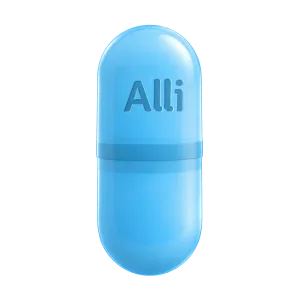
Alli
Contrave Current
Sources
- U.S. Food and Drug Administration (2024). CONTRAVE (naltrexone hydrochloride and bupropion hydrochloride) extended-release tablets: Prescribing Information.
- European Medicines Agency (2015). Mysimba: European public assessment report and product information.