Skip to content
Amantadine
Active ingredient: Amantadine

Amantadine

Quality products
24/7 Support
Fast delivery
Delivery from 4 days
Select pack Package Per unit Price

Free delivery on orders from AED 796.00, free express delivery from AED 1,194.00

Secure Payments
Track your order
Best price guarantee

Amantadine is a prescription neurological medicine for Parkinson’s disease and, in selected patients, levodopa-related dyskinesia. It provides symptom control, and the dose is selected individually according to age, other medicines, and health conditions.

About this product

Amantadine is a prescription neurological medicine used in Parkinson’s disease and, in selected patients, to reduce dyskinesia associated with dopaminergic treatment. Its role is symptom control: it may improve stiffness, slowness, tremor, mobility, or involuntary movements, though the response varies between patients. The dose is decided individually, taking age, other medicines, and health conditions into account.

Pharmacological action

Amantadine has dopaminergic and antiglutamatergic properties. It can increase dopamine release, reduce dopamine reuptake, and influence NMDA receptors involved in excitatory signalling. NMDA receptors act like cellular “volume controls” for glutamate, a major excitatory neurotransmitter.

This mixed mechanism helps explain why amantadine differs from levodopa. Levodopa supplies the biochemical precursor used to produce dopamine. Amantadine modifies dopamine handling and glutamate-related signalling. For levodopa-induced dyskinesia, the antiglutamatergic action is considered clinically relevant.

The exact balance of benefit differs between individuals. Some patients notice smoother movement, while others experience little change or develop adverse effects before reaching a useful response. A review in the Cochrane Database of Systematic Reviews found evidence supporting amantadine for Parkinson’s dyskinesia, while also describing limitations in the quality and duration of available studies [2].

What it contains

The product is presented as Amantadine tablets for prescription neurological use. The tablets are intended for symptom control in Parkinson’s disease and selected cases of levodopa-related dyskinesia. The prescribed dose is selected individually according to age, other medicines, and health conditions.

Directions for use

Amantadine tablets are taken by mouth. The dose is decided individually, taking age, other medicines, and health conditions into account. Kidney function is a major factor because the medicine is cleared mainly through the kidneys.

  • Swallow the tablet with water.
  • Take doses at consistent times selected by the prescriber.
  • Avoid changing the amount or frequency without a planned medical review.
  • Do not double the next dose after a missed dose.
  • If a missed dose is remembered close to the next scheduled dose, the missed dose is generally omitted rather than taken together with the next one.
  • Do not stop regular treatment suddenly unless a clinician gives a specific emergency instruction.

The tablet strength allows individualised prescribing, but the number of tablets and dosing interval depend on the treatment plan. Older adults often require extra caution because reduced renal clearance can allow amantadine to accumulate.

Amantadine may cause insomnia or vivid dreams. When the prescribed schedule permits flexibility, an earlier daily dose may be easier to tolerate than a late evening dose. The timing must still match the individual prescription.

If amantadine causes unusually vivid dreams, agitation, or night-time wakefulness, record when the tablet was taken and when the symptom appeared. This timing pattern can help the prescriber adjust treatment without guessing.

Reasons not to use it

  • Severe kidney impairment or rapidly changing renal function
  • Previous serious reaction to amantadine
  • Untreated narrow-angle glaucoma
  • Active psychosis or severe uncontrolled confusion
  • Recurrent falls linked to dizziness or poor balance
  • Seizure risk requiring specialist review
  • Significant heart rhythm disease or medicines that prolong the QT interval

Medicines with anticholinergic effects can increase dry mouth, blurred vision, constipation, confusion, urinary retention, and hallucinations. Other drugs that affect heart rhythm may increase cardiac risk. Diuretics and medicines that alter kidney function may also change amantadine exposure or electrolyte balance.

Alcohol can worsen dizziness, drowsiness, poor coordination, and confusion. Combining amantadine with sedatives requires care because falls and impaired alertness may become more likely.

Pregnancy and breastfeeding also require an individual decision based on the reason for treatment and available alternatives.

When this is not for you

Amantadine is not suitable for everyone. NOT for you if you have severe kidney impairment, uncontrolled confusion, active psychosis, or a high risk of falls unless a specialist has confirmed that treatment is appropriate.

People with glaucoma, recurrent fainting, urinary retention, or a history of hallucinations need a specific risk assessment before treatment.

Adverse reactions

Amantadine can be tolerated well by some patients, while others experience central nervous system effects early in treatment. Common or clinically recognised adverse effects include nausea, dry mouth, constipation, dizziness, insomnia, vivid dreams, blurred vision, ankle swelling, and orthostatic symptoms.

The most relevant risks for older adults are confusion, hallucinations, falls, and accumulation caused by reduced renal clearance. People with Parkinson’s disease may already have balance or cognitive difficulties, so a small change in alertness can have practical consequences.

Seek urgent medical assessment for severe confusion, new hallucinations, fainting, chest symptoms, serious breathing difficulty, seizures, or a rapid decline in walking ability. Livedo reticularis, a mottled purplish skin pattern, and significant ankle swelling also deserve clinical review.

A patient may notice dry mouth before recognising that it is affecting swallowing or dental comfort. Frequent small sips of water can help, but persistent swallowing difficulty needs assessment because Parkinson’s disease itself can impair swallowing.

Another practical detail: hallucinations should be reported plainly, even if they seem harmless or occur only at night. The prescriber may need to review amantadine, levodopa, sleep medicines, and cognitive status together.

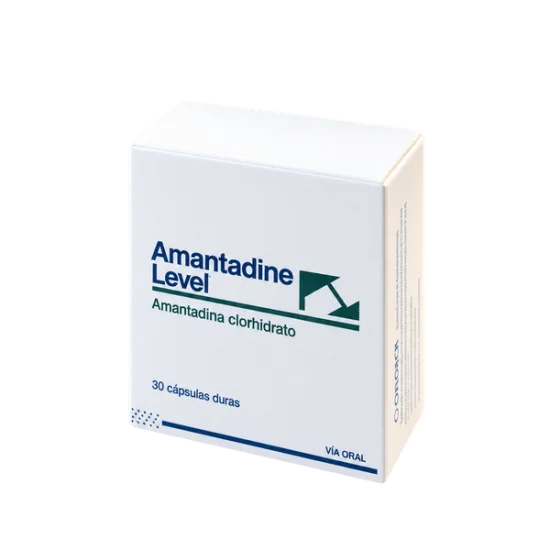
Uses

Amantadine is a prescription neurological medicine used in Parkinson’s disease and, in selected patients, to reduce dyskinesia associated with dopaminergic treatment. The tablets contain 100 mg of amantadine. Its role is symptom control: it may improve stiffness, slowness, tremor, mobility, or involuntary movements, though the response varies between patients.

Clinical use Main therapeutic goal Practical limitation
Parkinson’s disease Support movement and reduce rigidity or slowness Benefit may be incomplete or temporary
Levodopa-related dyskinesia Reduce involuntary, writhing movements Dose changes require careful monitoring
Adjunct neurological treatment Complement an established treatment plan Kidney function and interactions affect suitability

Role in Parkinson’s Disease Management

Parkinson’s disease involves the progressive loss of dopamine-producing nerve cells. Amantadine can support motor control through several neurotransmitter pathways, so it may be used alone in selected situations or alongside levodopa-based treatment.

Doctors may consider it when tremor, rigidity, bradykinesia, or medication-related dyskinesia continues to affect daily activities. The choice depends on the person’s age, cognitive function, kidney function, fall risk, sleep pattern, and current Parkinson’s medicines. The NICE guideline on Parkinson’s disease recognises amantadine as an option for dyskinesia when specialist assessment supports its use [1].

A practical point is often missed: improvement in dyskinesia does not necessarily mean that every Parkinson’s symptom will improve. Amantadine can reduce excessive involuntary movement while having a smaller effect on gait freezing or balance.

Comparison

Amantadine and levodopa work through different mechanisms, so they may be prescribed together in Parkinson’s disease. Levodopa mainly replaces dopamine availability in the brain. Amantadine can modify dopamine release and glutamate signalling, with a recognised role in managing levodopa-associated dyskinesia.

Treatment approach Main pharmacological role Typical clinical focus
Amantadine Modifies dopaminergic and NMDA-receptor signalling Dyskinesia and selected motor symptoms
Levodopa Provides a precursor for brain dopamine Bradykinesia, rigidity, and broader motor control
Combined treatment Uses complementary mechanisms Motor fluctuations with troublesome dyskinesia

The combination is not automatically better for every patient. Levodopa may improve slowness while amantadine reduces excessive movements, yet adding amantadine can also increase hallucination risk, confusion, ankle swelling, or sleep disruption.

A neurologist may review the timing of levodopa doses, the pattern of dyskinesia, and the person’s balance before adding or continuing amantadine. A clinical practice observation is useful here: patients often describe “more movement” as one problem, but the clinician must distinguish useful mobility from involuntary movement.

Common mistakes

Several practical errors can reduce benefit or increase risk:

  • Stopping amantadine suddenly after feeling better
  • Taking an extra tablet after forgetting a dose
  • Taking late doses that worsen insomnia
  • Failing to mention kidney disease
  • Describing hallucinations as “just vivid dreams”
  • Assuming every movement problem is dyskinesia
  • Continuing the same dose during dehydration or acute illness without medical review
  • Combining it with sedating medicines without checking the full treatment list
  • Driving or climbing when dizziness or blurred vision is present
  • Judging benefit after only one isolated day

One subtle mistake is reporting only the best part of the day. Parkinson’s symptoms and dyskinesia may vary with levodopa timing, meals, stress, sleep, and activity. A short symptom diary can reveal patterns that are missed during a clinic visit.

What doctors say

In clinical practice, doctors often judge amantadine by function rather than by a single symptom score. Walking across a room, turning in bed, eating without excessive movements, and completing daily tasks may show benefit more clearly than a short appointment examination.

A neurologist would usually want to know three things: what symptom the medicine is targeting, when that symptom appears, and what adverse effect has emerged since treatment began. A medicine that reduces dyskinesia but causes disabling confusion may not provide a useful net benefit.

Long-term treatment can remain appropriate when benefit is sustained and monitoring is satisfactory. Continued use deserves periodic review because kidney function, cognition, falls, and the rest of the Parkinson’s regimen can change over time.

Questions and answers

Is amantadine suitable for older adults?

Older adults can receive amantadine, but age-related reduction in kidney clearance increases the risk of accumulation. Confusion, hallucinations, dizziness, ankle swelling, and falls require close attention. The 2023 EMA product information recommends renal consideration and dose adjustment where appropriate. Review is especially important after dehydration or acute illness. A clinician may also review hydration, cognitive function, glaucoma risk, and all medicines that affect alertness.

Can people under 18 use amantadine?

Use in people under 18 depends on the specific diagnosis, formulation, local prescribing practice, and specialist judgement. The evidence base for Parkinson’s disease and dyskinesia in children is limited compared with adult treatment. The 2017 FDA prescribing information provides age-specific safety information that must be interpreted alongside the reason for treatment. A paediatric neurologist should determine whether the expected benefit justifies exposure in an individual child or adolescent.

Can amantadine be taken with food or on an empty stomach?

Amantadine tablets may generally be taken with food or without food, provided the schedule remains consistent. Food can be useful if nausea occurs, while taking a dose late in the day may worsen insomnia in some people. The 2023 EMA product information describes oral administration and dosing considerations without requiring a special fasting routine. If swallowing is difficult, the tablet should not be altered unless the prescriber or dispensing pharmacist has confirmed that the specific formulation allows it.

Can amantadine be used during pregnancy or breastfeeding?

Pregnancy and breastfeeding require an individual risk–benefit decision because treatment needs, disease severity, and infant exposure all matter. Amantadine should not be started, stopped, or continued automatically after pregnancy is discovered. The 2017 FDA and 2023 EMA information describes reproductive and lactation considerations that should be assessed with the treating clinician. People planning pregnancy should discuss the treatment before conception so that any change can be gradual and medically supervised.

Do you offer anonymous delivery?

Your order will be securely packed and shipped within 24 hours. This is exactly what your package will look like (images of an actual item sent). It has the size and look of a regular private letter (24x11x0.7 cm) and its contents cannot be seen.

Comparison

Compare treatments for Neurology

Risks and Withdrawal Symptoms of Amantadine Discontinuation

Stopping amantadine abruptly can produce a rebound deterioration in Parkinsonian symptoms or dyskinesia. The risk is greater after prolonged treatment or when amantadine has been controlling a significant movement complication.

Possible effects include:

  • Return or worsening of tremor
  • Increased stiffness
  • Slower movement
  • Gait disturbance or difficulty initiating steps
  • Pain related to rigidity or reduced mobility
  • General weakness
  • Return of dyskinesia
  • Wearing off of previous movement control
  • Confusion, agitation, or mood changes in vulnerable patients

A sudden decline may be mistaken for ordinary progression of Parkinson’s disease. The timing matters. Symptoms that worsen soon after abrupt discontinuation can reflect withdrawal or loss of the medicine’s effect.

Clinical reports have described severe motor deterioration and delirium after sudden amantadine withdrawal, followed by improvement when treatment was restored or replaced under medical supervision. The FDA prescribing information warns against abrupt discontinuation and describes the need for gradual changes when treatment is ended [3].

Do not use leftover tablets to restart treatment after an interruption. A pause may change the appropriate schedule, especially when kidney function, confusion, falls, or other medicines have changed.

Sources

  1. NICE (2017). Parkinson’s disease in adults: diagnosis and management — NG71.
  2. Cochrane (2010). Amantadine for dyskinesia in Parkinson’s disease.
  3. U.S. Food and Drug Administration (2017). Symmetrel (amantadine hydrochloride) Prescribing Information.

Amantadine: What Customers Say

3.2
Based on 5 reviews
Joseph, 64 Jumeirah Several weeks
Verified
Rating: 3.5 out of 5

I used the tablets for several weeks alongside my Parkinson’s treatment. The involuntary movements became less disruptive during meals, but I noticed dry mouth and had to move the timing earlier because sleep became lighter.

29 Oct 2026
Ramon, 68 Deira
Verified
Rating: 3.5 out of 5

The first improvement was easier turning in bed. After a dose change I became confused in the evenings, and my family noticed it before I did. The treatment plan was reviewed rather than simply continued.

1 Oct 2026
Nadeem, 41 Fujairah
Verified
Rating: 3.5 out of 5

I had expected a quick change in stiffness. The main benefit was a reduction in extra movements after levodopa, while tremor itself changed very little. Keeping notes helped show the pattern.

8 Oct 2026
Vikram, 43 Umm Al Quwain The first part of treatment
Verified
Rating: 3 out of 5

The tablets fitted into my routine, although vivid dreams were irritating during the first part of treatment. Taking the dose earlier helped, but I still needed follow-up for the full Parkinson’s plan.

18 Oct 2026
Faisal, 26 Liwa
Verified
Rating: 2.5 out of 5

I missed several doses during a busy week and felt much stiffer afterward. Restarting without advice seemed tempting, but the schedule was reviewed because other medicines and kidney health also mattered.

14 Oct 2026
Get our free app Shop faster and track your orders Install