I had taken the tablets for several weeks before the morning drowsiness became easier to manage. My seizures became less frequent, but I avoided driving until my balance and concentration felt dependable.
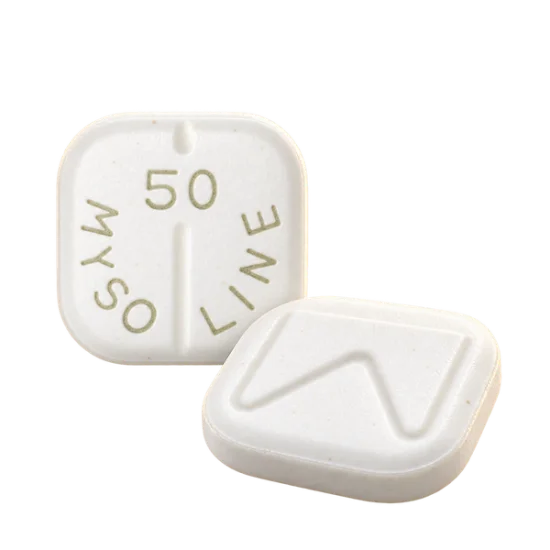
Mysoline tablets are used for the long-term control of epileptic seizures. Primidone is converted into active compounds that help reduce excessive electrical activity in the brain.
About this product
Mysoline tablets are taken by mouth, with or without food, for the long-term control of epileptic seizures. They contain primidone, which is converted into active compounds that help reduce excessive electrical activity in the brain.
Pharmacological action
Hepatic enzyme activity then converts a proportion of the dose into phenobarbital and PEMA. The balance between primidone, phenobarbital, and PEMA differs between individuals, which helps explain why blood concentrations and side effects vary.
Phenobarbital enhances inhibitory signalling in the central nervous system. In plain language, it makes uncontrolled neuronal firing less likely. PEMA also has pharmacological activity, although its contribution is less prominent than that of phenobarbital in many patients.
Mysoline can cause drowsiness, slowed reactions, dizziness, and impaired coordination because its active compounds depress central nervous system activity. These effects may be stronger during dose increases or when another sedating medicine is added. The DailyMed prescribing information describes primidone metabolism and the presence of phenobarbital and PEMA as active metabolites [2].
What it contains
The active ingredient in Mysoline is primidone, a barbiturate-related antiseizure compound. After oral administration, the body processes primidone in the liver and converts part of it into phenobarbital and phenylethylmalonamide, also called PEMA. Primidone and these metabolites contribute to its antiseizure activity.
Directions for use
The amount taken at each intake is set individually rather than being one fixed number for every person. Prescribers usually adjust Mysoline gradually, especially when treatment is starting or when a person is switching from another antiseizure medicine.
Typical administration principles include:
- Take the tablets by mouth at the prescribed times.
- Take each dose consistently, either with food or without food.
- Swallow the tablet with water unless the prescriber has given different instructions.
- Avoid sudden dose changes.
- Do not stop long-term therapy abruptly.
- If a dose is missed, follow the clinician’s missed-dose plan rather than doubling the next intake.
- If vomiting occurs soon after a dose, obtain individual advice before repeating it.
- Keep a regular dosing schedule to reduce fluctuations in seizure protection.
Older adults and people with reduced kidney or liver function may need slower adjustment. The body may clear primidone or its metabolites less efficiently, increasing drowsiness, balance problems, confusion, or falls.
One common mistake is taking an extra tablet after a missed dose. This can increase sedation and coordination problems without restoring seizure protection in a predictable way.
Reasons not to use it
Mysoline is not suitable for people with acute intermittent porphyria or another porphyria in which enzyme-inducing medicines can trigger an attack. Primidone and its metabolites can increase hepatic haem synthesis, which may worsen porphyrin accumulation. The DailyMed prescribing information identifies porphyria as a contraindication [3].
Mysoline also requires careful assessment in people with:
- Previous serious reaction to primidone, phenobarbital, or related barbiturate compounds.
- Significant respiratory depression.
- Severe liver disease.
- Substantial kidney impairment.
- A history of severe medication-related rash.
- Current treatment with several sedating medicines.
- A history of falls, confusion, or marked sensitivity to central nervous system depressants.
When this is not for you
A person with porphyria should not begin Mysoline. This warning applies even when seizures are difficult to control, because an alternative treatment plan may be needed. Mysoline may not be for you if you have porphyria, a serious prior reaction to primidone or phenobarbital, severe respiratory depression, or unreviewed use of several sedating medicines. A neurologist can assess safer alternatives and monitoring needs.
Adverse reactions
The most common early problems relate to central nervous system depression. Drowsiness, dizziness, nausea, unsteady walking, double vision, blurred vision, and reduced concentration may occur, especially after starting treatment or increasing the dose.
Other possible reactions include:
- Fatigue and slowed thinking.
- Headache.
- Loss of appetite.
- Vomiting or stomach discomfort.
- Changes in mood.
- Skin rash.
- Reduced coordination.
- Speech difficulty.
- Nystagmus, meaning involuntary eye movements.
Some reactions improve after the body adapts or after the prescriber changes the dose more gradually. A persistent problem still deserves review because it may reflect excessive exposure, an interaction, or a need to reconsider the treatment plan.
Seek urgent medical attention for a widespread rash, blistering skin, facial swelling, breathing difficulty, severe confusion, fainting, yellowing of the skin, unusual bruising, or severe weakness. A new seizure pattern also requires prompt assessment.
Alcohol can intensify drowsiness and impaired coordination. Sedating antihistamines, opioid pain medicines, sleeping tablets, benzodiazepines, and some anxiety treatments can produce a similar additive effect.
One detail patients often miss is that balance impairment may be more noticeable when walking in dim light or rising at night. Keeping pathways clear and using adequate lighting can reduce fall risk during dose adjustment.
Uses
Mysoline is an antiseizure treatment containing primidone. Clinicians use it for several seizure patterns, including generalized tonic-clonic seizures, formerly called grand mal epileptic seizures, as well as focal and psychomotor seizures. The dose is set individually because age, seizure type, kidney function, liver function, and other medicines all affect treatment decisions.
Mysoline may be prescribed alone or alongside another antiseizure medicine. Treatment usually starts cautiously, then increases in stages to reduce dizziness, drowsiness, nausea, and problems with coordination. The FDA-approved prescribing information describes primidone as a treatment for grand mal, psychomotor, and focal epileptic seizures [1].
Management of Generalized and Focal Seizures
Generalized tonic-clonic seizures involve both sides of the brain from the beginning. The person may lose consciousness, stiffen, and develop rhythmic jerking. Focal epileptic seizures begin in one brain region and may cause unusual movements, altered awareness, sensory symptoms, or brief periods of automatic behaviour.
Psychomotor seizures are an older clinical term often associated with focal impaired-awareness seizures. During an episode, a person may stare, respond poorly, or perform repetitive movements without remembering the event later.
| Seizure pattern | Clinical features | Treatment role |
|---|---|---|
| Generalized tonic-clonic | Loss of awareness, stiffening, rhythmic jerking | Long-term seizure prevention |
| Focal | Symptoms begin in one area of the brain | Control of focal seizure activity |
| Psychomotor | Altered awareness with automatic movements | Prevention of recurrent episodes |
Mysoline does not stop every seizure immediately. Its role is regular prevention, not emergency rescue during a prolonged seizure. A prolonged convulsion or repeated seizures without recovery require emergency medical care.
Comparison
Mysoline differs from newer antiseizure treatments because its activity includes a barbiturate-related metabolic pathway. Its long clinical history can be useful in selected patients, but sedation, interaction potential, and withdrawal risk require careful prescribing.
| Treatment approach | Main pharmacological feature | Practical consideration |
|---|---|---|
| Primidone-based therapy | Primidone plus active metabolites | Sedation and interactions require monitoring |
| Sodium-channel-focused therapy | Reduces rapid neuronal firing | Choice depends on seizure type and patient factors |
| Broad-spectrum therapy | Acts across several seizure pathways | May suit mixed seizure patterns but can have systemic adverse effects |
The comparison is based on treatment categories rather than a self-directed substitution plan. Antiseizure medicines are not interchangeable tablet for tablet.
Common mistakes
Poor seizure control does not always mean that Mysoline has failed. Several practical problems can reduce benefit or increase harm:
- Missing doses because the person feels well.
- Doubling the next dose after forgetting one.
- Stopping suddenly after a seizure-free period.
- Adding alcohol or a sedative without considering the combined effect.
- Crushing or altering a tablet without confirming that the formulation allows it.
- Driving before drowsiness and balance effects have settled.
- Failing to mention hormonal contraception or anticoagulant treatment.
- Describing every seizure as the same event when the pattern has changed.
- Keeping tablets in a hot, humid place.
- Taking a new herbal product without checking for sedation or enzyme effects.
A seizure diary should include missed doses, sleep loss, fever, alcohol, menstrual changes, and new medicines. These details can reveal triggers that are not obvious during a short consultation.
What doctors say
In clinical practice, neurologists usually focus on three outcomes: fewer seizures, acceptable alertness, and a dosing plan the patient can follow consistently. Primidone can be useful when its antiseizure profile fits the seizure pattern, yet sedation and interactions may limit its suitability. Seizure diaries help quantify progress. Follow-up also checks alertness and coordination.
A physician will usually ask whether the person is falling, driving, working at height, drinking alcohol, or taking other sedating medicines. These details can change the practical risk even when the seizure count has improved.
Treatment changes should be gradual. A rapid switch between antiseizure medicines can cause breakthrough seizures, withdrawal symptoms, or excessive sedation. The NICE epilepsy guideline updated in 2022 continues to emphasise seizure classification, individualised medicine selection, and review of adverse effects.
Questions and answers
What should be discussed with a doctor before starting Mysoline?
The prescriber should review seizure type, previous antiseizure treatments, porphyria, liver or kidney disease, breathing problems, pregnancy plans, breastfeeding, depression, and all current medicines. FDA prescribing information reviewed in 2023 identifies primidone-related contraindications and warnings that influence this assessment. Alcohol use, driving, work at heights, and a history of falls also deserve discussion because drowsiness and impaired coordination can occur early in treatment.
How long does one dose of Mysoline keep working?
The effect of one dose depends on the individual dose, absorption, metabolism, kidney function, liver function, and active metabolite concentrations. Phenobarbital has a long half-life, so antiseizure activity can persist beyond the period when early drowsiness is noticed. The NICE epilepsy guideline (2022) describes antiseizure treatment as regular long-term prevention rather than a rescue response to an individual seizure; missed doses can still reduce protection.
Is Mysoline suitable for older adults?
Older adults may be more sensitive to drowsiness, dizziness, confusion, slowed reactions, and loss of balance. The dose is often increased more cautiously, with attention to kidney function, falls, memory, and concurrent sedatives. The NICE epilepsy guideline (2022) supports individualised dosing and careful monitoring when medicines with central nervous system effects are used in older people.
Can Mysoline be taken with food or on an empty stomach?
Mysoline may generally be taken with food or without food, but taking it in the same way each day can reduce variation in gastrointestinal tolerance. Food may help if nausea occurs after a dose. The FDA Mysoline prescribing information (2023) supports consistent administration and warns that dizziness or sedation can occur regardless of whether the tablet is taken with a meal.
Can Mysoline be combined with sedating medicines or supplements?
Combining Mysoline with sedating medicines or supplements can intensify sleepiness, slowed breathing, confusion, and poor coordination. This group includes sleeping tablets, benzodiazepines, opioid pain medicines, sedating antihistamines, and herbal products marketed for relaxation or sleep. The DailyMed primidone labeling (2023) supports checking for additive central nervous system depression before such combinations are used.
Do you offer anonymous delivery?
Your order will be securely packed and shipped within 24 hours. This is exactly what your package will look like (images of an actual item sent). It has the size and look of a regular private letter (24x11x0.7 cm) and its contents cannot be seen.
Sources
- U.S. Food and Drug Administration (2023). Mysoline (primidone) Prescribing Information.
- National Library of Medicine, DailyMed (2023). MYSOLINE- primidone tablet.
- U.S. Food and Drug Administration (2008). Suicidality in Antiepileptic Drugs: FDA Drug Safety Communication.