Skip to content
Motilium
Active ingredient: Domperidone

Motilium

Quality products
24/7 Support
Fast delivery
Delivery from 4 days
Select pack Package Per unit Price

Free delivery on orders from AED 796.00, free express delivery from AED 1,194.00

Secure Payments
Track your order
Best price guarantee

Adults and adolescents who meet the approved age and weight criteria may be prescribed Motilium for short-term relief of nausea and vomiting. It contains domperidone, which supports upper gastrointestinal movement while blocking dopamine receptors involved in nausea.

About this product

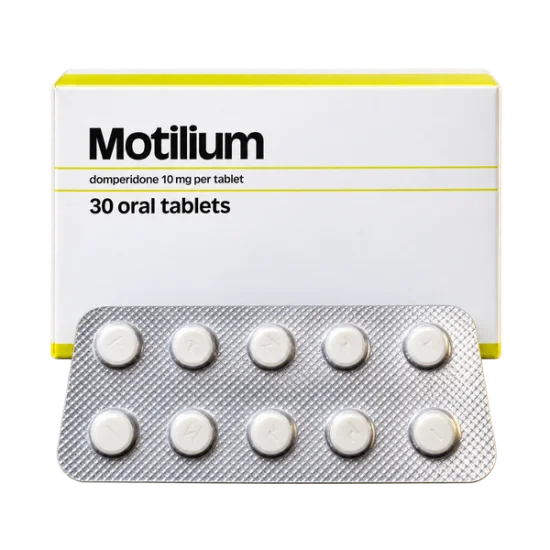
Motilium is an oral tablet containing domperidone, a prokinetic anti-emetic used mainly for nausea and vomiting associated with delayed upper gastrointestinal movement. It supports upper gastrointestinal movement while blocking dopamine receptors involved in nausea.

Pharmacological action

Domperidone blocks dopamine receptors in the chemoreceptor trigger zone, an area involved in nausea and vomiting responses. It also increases coordinated contractions in the upper digestive tract, helping stomach contents move onward.

Receptor Blockade and Gastric Motility

Dopamine can reduce upper gastrointestinal motility and contribute to nausea signalling. By antagonising peripheral dopamine receptors, domperidone can improve antral contractions and support movement through the pylorus.

The chemoreceptor trigger zone lies outside the blood–brain barrier. This peripheral activity helps distinguish domperidone from anti-emetics that enter the central nervous system more extensively.

Domperidone does not remove the cause of food poisoning, gastritis, gallbladder disease, bowel obstruction, or migraine. It reduces selected symptoms while the underlying condition is managed.

The European Medicines Agency describes domperidone as a dopamine antagonist with prokinetic and anti-emetic properties. Its safety restrictions reflect the possibility of QT-interval prolongation and serious ventricular arrhythmias [2].

What it contains

Motilium contains domperidone, with each oral tablet providing the active ingredient. Domperidone belongs to the prokinetic anti-emetic class. It is used mainly for nausea and vomiting associated with delayed upper gastrointestinal movement.

Domperidone has two relevant actions. It blocks dopamine D2 receptors involved in nausea signalling and helps coordinated movement through the stomach and upper intestine. The European Medicines Agency restricted domperidone use to nausea and vomiting because cardiovascular risks increase with higher doses and longer treatment periods [1].

Active Ingredient Profile

Domperidone acts mainly outside the brain. Its limited passage across the blood–brain barrier helps explain why it may cause fewer central nervous system effects than some older dopamine-blocking anti-emetics. The medicine is intended for short courses. It is not a general treatment for every form of indigestion, chronic bloating, reflux, or abdominal pain. Persistent symptoms need assessment because they may arise from conditions that require a different treatment.

The product form is an oral tablet. The active ingredient and tablet strength are consistent.

Swallow the tablet with water and keep the timing consistent before meals. Taking it after a large meal may delay absorption.

Directions for use

Motilium tablets are taken by mouth. How much to use and how often depends on the purpose of use and is agreed with a doctor or pharmacist.

  • Take one prescribed dose before meals when instructed.
  • Keep doses separated across the day.
  • Do not take more than prescribed by your doctor or pharmacist.
  • Do not extend treatment for recurrent symptoms without reassessment.
  • Swallow the tablet whole with water.
  • Do not crush or chew it unless a prescriber has given different instructions.
  • If a dose is missed, take it when remembered if the next dose is not due soon.
  • Skip the missed dose when the next scheduled dose is close.
  • Never double the next dose.

The timing before meals is easy to overlook. Food can delay domperidone absorption, so taking it after eating may change when symptom relief begins.

Do not compensate for a missed dose by taking two tablets together. Extra domperidone increases exposure without reliably improving nausea.

Reasons not to use it

Motilium is not for you if any of the following applies:

  • You have a known prolonged QT interval.
  • You have a significant heart rhythm disorder.
  • You have moderate or severe liver impairment.
  • You have gastrointestinal bleeding, perforation, or mechanical obstruction.
  • You have an allergy to domperidone or another tablet ingredient.
  • You take medicines that prolong the QT interval.
  • You use potent CYP3A4 inhibitors that can raise domperidone concentrations.
  • You have untreated low potassium or low magnesium.
  • You have been told that your heart rate is unusually slow.

Medicines that may create serious interaction concerns include some anti-arrhythmics, certain antibiotics, selected antifungal medicines, and some medicines used for psychiatric disorders. Examples include erythromycin, clarithromycin, ketoconazole, and amiodarone. The full interaction list depends on the medicine, dose, kidney function, and cardiac history.

When this is not for you

Do not use Motilium if you have heart rhythm problems, a prolonged QT interval, moderate or severe liver impairment, gastrointestinal bleeding or obstruction, or untreated low potassium or magnesium. It may also be unsuitable if you take certain antibiotics, antifungal medicines, heart medicines, or other drugs that affect the heart rhythm.

Adverse reactions

Domperidone is often tolerated during short treatment courses, but it has a clinically relevant cardiac warning. The risk is greater in people with heart disease, electrolyte abnormalities, kidney impairment, interacting medicines, or exposure to higher doses.

Common Adverse Reactions

Reported reactions may include:

  • Dry mouth.
  • Headache.
  • Diarrhoea.
  • Abdominal cramps.
  • Increased thirst.
  • Breast tenderness or breast enlargement.
  • Milk secretion unrelated to breastfeeding.
  • Menstrual changes.

These effects may result from dopamine blockade or altered prolactin regulation. Mild dry mouth can improve with regular water intake and sugar-free gum, while persistent diarrhoea can worsen dehydration and electrolyte imbalance.

Cardiovascular Warnings

Domperidone can prolong the QT interval, an electrical measurement on an electrocardiogram. In susceptible patients, this may trigger ventricular arrhythmia, including torsades de pointes.

  • Fast or irregular heartbeat.
  • Fainting or near-fainting.
  • New chest discomfort.
  • Severe dizziness.
  • Sudden shortness of breath.

Risk increases with doses above the recommended maximum, treatment lasting longer than necessary, age over 60, significant bradycardia, and low potassium or magnesium. The EMA and the UK Medicines and Healthcare products Regulatory Agency (MHRA) specifically link domperidone restrictions to these cardiovascular concerns.

Tell the prescriber about any previous fainting episode, abnormal ECG, diagnosed arrhythmia, or family history of sudden cardiac death before treatment.

Uses

Motilium is mainly used for nausea and vomiting. Some people also experience less post-meal fullness or upper abdominal distension when delayed gastric emptying contributes to those symptoms.

The expected effects relate to upper gastrointestinal motility:

  • Reduced nausea signals from dopamine receptor blockade.
  • Fewer vomiting episodes in suitable short-term situations.
  • Improved movement of stomach contents into the small intestine.
  • Less postprandial fullness when delayed gastric emptying contributes.
  • Possible reduction in upper abdominal bloating linked to slow gastric transit.

Bloating has many causes. Constipation, lactose intolerance, irritable bowel syndrome, reflux, infection, and obstruction can all produce abdominal swelling. Domperidone is not appropriate when bloating is unexplained, severe, or accompanied by marked pain.

Indigestion also has several possible causes. Burning behind the breastbone, black stools, repeated vomiting, difficulty swallowing, or unintentional weight loss require medical assessment rather than repeated self-treatment.

Stop self-treating and seek urgent care for severe abdominal pain, a rigid abdomen, repeated vomiting, fainting, or blood in vomit or stool.

Comparison

Domperidone is distinct from anti-emetics that act mainly through serotonin, histamine, or muscarinic receptors. The most suitable option depends on the cause of nausea, the patient’s age, heart history, other medicines, and the need for gastrointestinal motility support.

Approach Main pharmacological focus Typical clinical distinction
Domperidone Peripheral dopamine D2 blockade and prokinetic activity Nausea with upper gastrointestinal motility symptoms
Serotonin-receptor anti-emetic 5-HT3 receptor blockade Nausea linked to selected surgical, chemotherapy, or severe acute causes
Antihistamine anti-emetic Histamine H1 receptor blockade Motion-related nausea, with possible drowsiness

Generic domperidone tablets contain the same active substance when they have the same strength and approved formulation. Interchangeability still requires attention to dose, contraindications, tablet formulation, and the patient’s other medicines.

Domperidone may be preferred when nausea accompanies suspected delayed upper gastrointestinal movement and the cardiovascular risk is acceptable. An alternative mechanism may be more suitable when motion sickness, migraine, chemotherapy, or vestibular disease is the main cause.

Common mistakes

Several practical errors reduce the benefit of Motilium or increase risk:

  • Taking it after meals instead of before meals.
  • Using it for several weeks without reassessment.
  • Exceeding three 10 mg doses in one day.
  • Combining it with an interacting antibiotic or antifungal.
  • Ignoring fainting, palpitations, or severe dizziness.
  • Assuming bloating alone proves delayed gastric emptying.
  • Taking a second tablet after vomiting without considering how much was absorbed.
  • Crushing the tablet when whole-tablet administration was intended.
  • Treating dehydration with domperidone alone instead of replacing fluids and electrolytes.
  • Continuing the medicine despite blood in vomit, black stool, or severe abdominal pain.

One easily missed detail is the interaction between vomiting and electrolyte loss. Low potassium or magnesium can increase the chance of rhythm problems, so persistent vomiting needs medical attention.

If vomiting continues, focus on small frequent sips of oral fluid and seek assessment when fluids cannot be retained. Domperidone does not correct dehydration.

What doctors say

In clinical practice, doctors usually frame domperidone as a short-course symptom treatment rather than a daily digestive aid. The aim is to control nausea or vomiting while the underlying trigger settles or receives targeted treatment.

A prescriber will usually consider:

  • The duration and severity of vomiting.
  • Hydration status and electrolyte loss.
  • Heart rhythm history.
  • Kidney and liver function.
  • Current antibiotics, antifungals, antidepressants, and heart medicines.
  • Whether symptoms suggest obstruction, bleeding, infection, or another urgent condition.
  • The patient’s age and body weight.

Patients sometimes expect a prokinetic medicine to resolve every type of bloating. That expectation can lead to repeated use without investigating constipation, reflux, food intolerance, or gallbladder disease.

The benefit should be reassessed quickly. Continuing treatment after symptoms return repeatedly can conceal a condition that needs examination or testing.

Questions and answers

Can Motilium be used during pregnancy or breastfeeding?

Pregnancy and breastfeeding require an individual assessment of expected benefit and potential risk. The EMA's 2014 product information advises limiting domperidone to approved indications and the shortest suitable duration, including during reproductive periods. During breastfeeding, domperidone can enter breast milk and may influence prolactin-related milk production. A prescriber or pharmacist should review pregnancy status, infant feeding, cardiac history, and all current medicines before use.

Can alcohol be consumed while using Motilium?

Alcohol is best avoided during treatment because nausea, vomiting, dizziness, and dehydration may become harder to assess. The WHO's 2024 guidance describes alcohol as a factor that can worsen gastrointestinal irritation and fluid loss in susceptible people. Alcohol does not provide a useful way to test whether domperidone is working. If vomiting, faintness, or palpitations occur, stop further doses and seek prompt medical assessment.

Can people under 18 use Motilium?

Use in adolescents depends on age, body weight, indication, and local prescribing guidance. The usual oral tablet regimen is intended for adolescents weighing at least 35 kg and adults, while younger or lighter children require a different clinical assessment. EMA safety restrictions issued in 2014 reduced routine use because cardiovascular risk is influenced by dose and patient characteristics. A child or adolescent should not receive an adult tablet without a clinician’s direction.

Which symptoms require stopping Motilium and seeking urgent care?

Stop the medicine and obtain urgent medical help for fainting, a fast or irregular heartbeat, severe dizziness, chest pain, or sudden breathlessness. The EMA's 2014 safety communication identifies serious ventricular arrhythmia as a rare but important risk associated with domperidone exposure. Severe abdominal pain, a rigid abdomen, blood in vomit, black stool, or repeated vomiting also require urgent assessment because they may indicate a condition that domperidone cannot treat. Do not take another dose while waiting for medical advice if a serious reaction is suspected.

What should I do after a missed dose?

Take the missed dose when remembered only if the next dose is not due soon. If the next dose is close, skip the missed tablet and resume the planned schedule. Do not take two 10 mg tablets together to compensate. NHS medicines guidance updated in 2024 uses this approach for many short-course oral medicines, while the exact plan should reflect the prescription and the timing of the missed dose.

Can Motilium be combined with other medicines or supplements?

Combining domperidone with QT-prolonging medicines or strong CYP3A4 inhibitors can raise the risk of dangerous heart rhythm changes. Examples include some macrolide antibiotics, azole antifungals, anti-arrhythmics, and selected psychiatric medicines. The EMA’s 2014 restrictions identify these interaction groups as clinically relevant. Supplements that affect potassium, magnesium, blood pressure, or heart rhythm also deserve review, especially during prolonged vomiting or diarrhoea.

Should Motilium be taken with food or on an empty stomach?

Motilium is generally taken before meals because food can delay absorption. A dose taken after a large meal may produce a slower onset than expected. WHO medicines guidance from 2024 explains that meal timing can alter the absorption pattern of orally administered medicines, although it does not necessarily change the total amount absorbed. Follow the prescribed timing and avoid taking extra tablets when relief is slower than expected.

Do you offer anonymous delivery?

Your order will be securely packed and shipped within 24 hours. This is exactly what your package will look like (images of an actual item sent). It has the size and look of a regular private letter (24x11x0.7 cm) and its contents cannot be seen.

Sources

  1. EMA (2014). Summary of Product Characteristics (SmPC) — domperidone (Motilium)
  2. European Medicines Agency (2014). CMDh confirms recommendations on restricting use of domperidone-containing medicines

Motilium: What Customers Say

3.7
Based on 3 reviews
Nadeem, 65 Jebel Ali A short episode
Verified
Rating: 3.5 out of 5

I used one 10 mg tablet before meals for a short episode of nausea. It helped by the same day, but I noticed a dry mouth and did not continue beyond the planned course.

13 Oct 2026
Shamma, 47 Al Khawaneej The first two days
Verified
Rating: 3.5 out of 5

One 10 mg tablet of Motilium reduced the nausea after meals during the first two days. I still had bloating, so the doctor looked for another cause instead of extending the tablets.

29 Oct 2026
Daniel, 65 Dubai Marina A short episode
Verified
Rating: 4 out of 5

One 10 mg tablet helped my vomiting during a short episode, but I felt light-headed after one dose. I stopped and reported it because I also used heart medicines.

9 Nov 2026
Get our free app Shop faster and track your orders 3.8 · 441 reviews Install