Skip to content
Diflucan
Active ingredient: Fluconazole

Diflucan

Quality products
24/7 Support
Fast delivery
Delivery from 4 days
Select pack Package Per unit Price

Free delivery on orders from AED 796.00, free express delivery from AED 1,194.00

Secure Payments
Track your order
Best price guarantee

Diflucan capsules are prescribed according to the infection, kidney function, age, pregnancy status, and interacting medicines; fluconazole blocks fungal growth by disrupting cell-membrane formation.

About this product

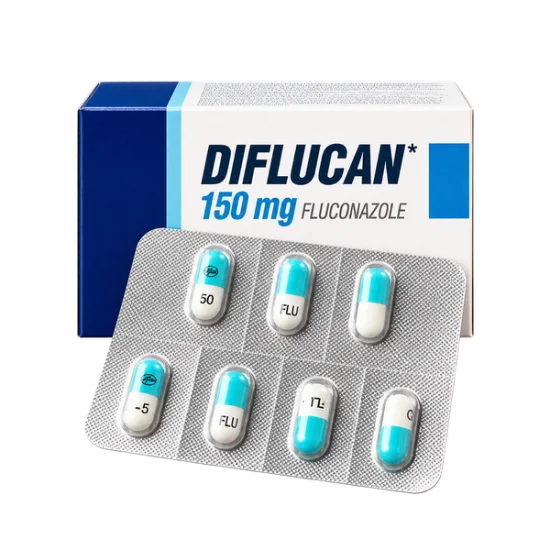
Fluconazole, the active ingredient of Diflucan, is an oral triazole antifungal used for selected yeast and fungal infections.

Pharmacological action

The medicine works by inhibiting fungal lanosterol 14-alpha-demethylase, an enzyme needed to produce ergosterol. Ergosterol helps maintain the fungal cell membrane. When its production falls, the fungal cell becomes unstable and growth is restricted. Human cells use cholesterol rather than ergosterol, which gives fluconazole selective antifungal activity.

The FDA prescribing information describes fluconazole as a systemic triazole antifungal with indications that range from candidiasis to cryptococcal disease [1].

What it contains

Diflucan contains fluconazole, an azole antifungal in the triazole class. The product is supplied as oral capsules containing fluconazole. Fluconazole is the active pharmaceutical ingredient responsible for the antifungal action.

Directions for use

The amount taken at each intake is selected for the individual rather than being one fixed number for every infection. Diflucan capsules are swallowed with water and may be taken with or without food. The capsule may be used as a single oral dose for uncomplicated vaginal candidiasis when that diagnosis has been established.

For other infections, treatment may involve:

  • repeated daily doses;
  • a loading dose followed by a lower maintenance dose;
  • an extended course of therapy;
  • a specialist-directed regimen for cryptococcal meningitis or systemic candidiasis;
  • dose adjustment when kidney function is reduced.

The dose depends on the infection, fungal susceptibility, kidney function, age, immune status, pregnancy status, and interacting medicines. Fluconazole is mainly eliminated through the kidneys, so people with reduced renal function may need a modified schedule. The European Medicines Agency describes renal adjustment as an important part of fluconazole prescribing [2].

If a dose is missed, the appropriate response depends on whether the regimen is single-dose or repeated-dose. A missed dose should not be replaced by taking two capsules together unless a prescriber has specifically directed that action.

For a multi-day course, keep the dosing time consistent. For a single-dose regimen, taking an extra capsule before the expected interval has passed can increase adverse-effect and interaction risks without improving treatment.

Do not open, chew, or crush the capsule unless a suitable alternative formulation has been prescribed. Swallow capsules whole. People who cannot swallow them should receive a formulation and dose plan chosen for that situation.

Reasons not to use it

The medicine should not be used by a person with a previous serious allergic reaction to fluconazole or another azole antifungal. It also requires careful review in people with liver disease, kidney disease, heart-rhythm disorders, electrolyte abnormalities, or a history of serious drug-related skin reactions.

Fluconazole inhibits several cytochrome P450 enzymes, including CYP2C9, CYP2C19, and CYP3A4 to varying degrees. This can increase concentrations of medicines such as warfarin, some sulfonylureas, phenytoin, carbamazepine, ciclosporin, tacrolimus, and selected statins. The clinical effect may persist after the last capsule because fluconazole leaves the body gradually.

Indapamide, also known as Lozol in some markets, deserves a medication review when combined with fluconazole. Both treatment-related electrolyte changes and QT prolongation can increase rhythm risk in susceptible patients. The combination is not automatically prohibited in every patient, but it should not be started without assessing the complete medicine list, kidney function, potassium, magnesium, and cardiac history.

When this is not for you

This medication is not for you if:

  • you have previously developed anaphylaxis, severe blistering, or another serious reaction to fluconazole or an azole antifungal;
  • you are taking astemizole, formerly marketed as Hismanal;
  • you are taking lomitapide, formerly marketed as Juxtapid;
  • you have a known prolonged QT interval or a serious ventricular rhythm disorder unless a prescriber has assessed the risk;
  • you are pregnant and the proposed treatment is self-directed rather than specifically prescribed for a confirmed indication.

Adverse reactions

Fluconazole is tolerated by many patients, but adverse effects can occur even after one dose. Headache, nausea, stomach discomfort, diarrhoea, and dizziness are among the symptoms reported with oral fluconazole. Mild symptoms often settle without treatment, while persistent or worsening symptoms need clinical review.

Common or less serious effects may include:

  • headache;
  • nausea or abdominal discomfort;
  • diarrhoea;
  • dizziness;
  • altered taste;
  • skin rash.

A rash deserves attention when it spreads rapidly, blisters, peels, involves the mouth or eyes, or appears with facial swelling or breathing difficulty. These features can indicate a severe hypersensitivity reaction.

Rare but serious reactions include liver injury, severe skin reactions, changes in heart rhythm, seizures, and blood-count abnormalities. Possible liver injury may present with yellowing of the skin or eyes, dark urine, pale stools, unusual itching, marked fatigue, persistent vomiting, or pain beneath the right ribs. The WHO identifies liver toxicity and clinically significant interactions as important safety considerations for systemic azole antifungals [3].

Avoid alcohol while feeling nauseated, dizzy, or unwell after a dose. Alcohol does not treat fungal infection and may make stomach symptoms or impaired concentration harder to judge.

Another practical detail is the timing of symptom relief. Itching and discharge may begin improving before the infection has fully resolved. A short delay does not automatically mean that another dose is needed.

Uses

Diflucan is used for infections caused by susceptible fungi. The diagnosis matters because vaginal irritation, oral soreness, and skin symptoms can also arise from bacterial, dermatological, hormonal, or inflammatory conditions that will not respond to fluconazole.

Common clinical uses include:

  • Vaginal yeast infection: Fluconazole may be prescribed for uncomplicated vulvovaginal candidiasis caused by susceptible Candida species.
  • Oropharyngeal candidiasis: This affects the mouth and throat and may cause white patches, soreness, altered taste, or pain when swallowing.
  • Esophageal candidiasis: Infection deeper in the swallowing tube can produce painful swallowing or difficulty swallowing and usually requires a longer course.
  • Other mucosal candidiasis: Fluconazole may be selected for Candida infections involving mucosal surfaces when the organism is susceptible.
  • Cryptococcal meningitis: This serious infection is caused by Cryptococcus and requires specialist treatment, monitoring, and a regimen that is very different from a single-dose vaginal candidiasis regimen.
  • Selected systemic fungal infections: Treatment depends on the organism, infection site, immune status, and laboratory findings.
Clinical setting Typical treatment approach
Uncomplicated vaginal candidiasis A single 150 mg dose is commonly prescribed when clinically appropriate
Oral or esophageal candidiasis Repeated doses over a defined course may be required
Cryptococcal meningitis Specialist-led therapy with an intensive phase and follow-up treatment

A single capsule is not suitable for every fungal infection. Recurrent vaginal symptoms, fever, pelvic pain, pregnancy, diabetes, immune suppression, or symptoms that persist after treatment require a different assessment pathway.

Comparison

Diflucan and topical azoles can treat some of the same uncomplicated vaginal yeast infections, but their routes and treatment patterns differ. A topical medicine acts mainly at the application site, while oral fluconazole produces systemic exposure and has more potential for interactions.

Treatment approach Main route and feature
Fluconazole Oral triazole with systemic exposure; useful for selected susceptible infections
Clotrimazole or miconazole Topical azoles applied locally for certain mucosal or skin infections
Terconazole or tioconazole Topical treatments used for selected vulvovaginal Candida infections

Topical treatment can be preferred when systemic exposure should be minimized, including some pregnancy-related situations. Oral fluconazole may be selected when a systemic regimen is clinically appropriate or when local treatment is unsuitable. Neither approach is automatically better; the choice depends on diagnosis, pregnancy status, recurrence, organism susceptibility, interactions, and patient factors.

Fluconazole does not treat every cause of vaginal discharge or genital irritation. Bacterial vaginosis, sexually transmitted infections, dermatitis, lichen sclerosus, and hormonal irritation require different management. Repeated self-treatment can delay diagnosis when symptoms recur.

Common mistakes

Several everyday mistakes reduce the chance of appropriate treatment:

  • taking a second capsule too soon because itching remains on the same day;
  • using fluconazole for every episode of discharge without confirming the cause;
  • forgetting to mention warfarin, seizure medicines, cholesterol medicines, or heart-rhythm treatment;
  • stopping a multi-day regimen early when symptoms begin to improve;
  • assuming one dose treats oral, esophageal, or systemic infection;
  • ignoring a rash because it appears mild at first;
  • combining several antifungal products without checking duplicate treatment;
  • using oral fluconazole during pregnancy without a specific prescription.

One detail patients often miss is that symptom improvement and microbiological clearance do not always occur at the same speed. Another is that repeated episodes may need testing rather than repeated empiric dosing.

What doctors say

In clinical practice, doctors usually separate uncomplicated vaginal candidiasis from recurrent, severe, or atypical infection before choosing a fluconazole regimen. A single 150 mg capsule may be appropriate in a defined situation, while oral thrush, esophageal candidiasis, and cryptococcal meningitis need different schedules and follow-up.

A physician will usually focus on five points:

  • whether the symptoms fit Candida infection;
  • whether pregnancy is possible;
  • whether the infection is recurrent or severe;
  • whether kidney or liver function affects treatment;
  • whether another medicine could interact with fluconazole.

Symptoms that return repeatedly after treatment may indicate resistant Candida, a non-Candida species, reinfection, diabetes, antibiotic exposure, or a different diagnosis. The Infectious Diseases Society of America guidance supports species-directed and condition-specific management for complicated Candida infections [4].

Questions and answers

Which condition rules out self-directed Diflucan use?

Pregnancy is a condition in which self-directed oral fluconazole use should be avoided. The FDA fluconazole label, reviewed in 2024, distinguishes pregnancy-related considerations from routine treatment of uncomplicated vaginal candidiasis . A previous severe azole allergy, serious liver disease, significant rhythm disorder, or a suspected systemic infection also makes unsupervised use inappropriate. Fever, pelvic pain, severe abdominal pain, or rapidly worsening illness requires assessment rather than repeat dosing.

Which habits help or hinder recovery from a fungal infection?

Keeping affected skin clean and dry can reduce moisture that supports irritation, while tight, non-breathable clothing may worsen discomfort. Avoiding unnecessary antibiotic use can reduce disruption of normal vaginal flora, though antibiotics should never be stopped without medical direction. WHO guidance published in 2022 supports addressing the underlying clinical setting rather than relying on repeated antifungal doses alone. Diet changes do not replace antifungal therapy, and high-sugar foods are not a proven reason to repeat or increase fluconazole.

Can older adults use Diflucan?

Older adults can receive fluconazole when the indication, kidney function, and medication list have been assessed. The EMA product information, updated through regulatory reviews before 2026, emphasizes renal elimination and dose adjustment when kidney function is reduced . Older patients may also use several medicines that interact through CYP enzymes or increase QT-related risk. Dizziness, confusion, diarrhoea, or reduced fluid intake deserves prompt attention because dehydration can worsen kidney and rhythm risks.

What should be discussed with a doctor before starting Diflucan?

The discussion should include the suspected infection, pregnancy or breastfeeding status, previous azole reactions, liver disease, kidney disease, heart-rhythm history, and every medicine or supplement being used. Warfarin, phenytoin, carbamazepine, ciclosporin, tacrolimus, some statins, sulfonylureas, astemizole, and lomitapide are examples that may require a specific review. The FDA label and MOHAP prescribing principles support medication reconciliation when an azole antifungal is used. The FDA label was revised in 2024. A doctor may also decide that a swab, culture, examination, or blood test is more useful than empiric repeat treatment.

How long does a Diflucan course last, and is long-term use acceptable?

The course may be one 150 mg dose for selected uncomplicated vaginal candidiasis, several days for some mucosal infections, or much longer for systemic disease. Long-term therapy can be appropriate for certain recurrent or invasive infections, but it requires a defined indication and monitoring plan. The IDSA candidiasis guideline, published in 2016, describes different fluconazole schedules according to infection site and severity . Long-term use may require review of liver tests, kidney function, interactions, resistance, and the continuing need for treatment.

Can Diflucan affect driving, concentration, or machinery work?

Dizziness, headache, or nausea can affect concentration after fluconazole, even though many patients experience no meaningful impairment. The European Medicines Agency product information advises caution until an individual knows how the medicine affects them . Do not drive, climb, or operate machinery if you feel dizzy, unusually sleepy, confused, or visually affected. Alcohol can make it harder to distinguish medicine-related dizziness from other causes of impaired alertness. The EMA product information cited here is dated 2023.

Do you offer anonymous delivery?

Your order will be securely packed and shipped within 24 hours. This is exactly what your package will look like (images of an actual item sent). It has the size and look of a regular private letter (24x11x0.7 cm) and its contents cannot be seen.

Sources

  1. U.S. Food and Drug Administration (2024). Diflucan (fluconazole) Prescribing Information.
  2. European Medicines Agency (2023). Fluconazole: Summary of Product Characteristics.
  3. World Health Organization (2022). Guidelines for the Diagnosis, Prevention and Management of Cryptococcal Disease.
  4. Infectious Diseases Society of America (2016). Clinical Practice Guideline for the Management of Candidiasis.

Diflucan: What Customers Say

3
Based on 4 reviews
Noura H., 27 Ras Al Khaimah 1 day
Verified
Rating: 4 out of 5

The itching was noticeably better by the next day and mostly settled over the following few days. I had mild nausea that evening, so I took water and rested instead of repeating the dose.

27 Oct 2026
Salma, 43 Mussafah 1 day
Verified
Rating: 3 out of 5

The capsule was easy to swallow and the discharge improved. My symptoms returned a few weeks later, so the next appointment involved testing rather than taking another capsule on my own.

1 Oct 2026
Meera, 49 Al Khawaneej Several days
Verified
Rating: 3 out of 5

The treatment helped, but I had a headache and a slightly upset stomach during the first days. The longer course was different from the single-dose treatment I had used years earlier.

19 Oct 2026
Divya, 40 Jebel Ali 1 day
Verified
Rating: 2 out of 5

The burning did not disappear immediately, and I became worried that it had failed. A later examination showed irritation with another cause, so another antifungal dose would not have solved the problem.

7 Oct 2026
Get our free app Shop faster and track your orders Install