My energy improved after the thyroid treatment was adjusted, but the first change I noticed was a faster heartbeat. I reduced caffeine and reported it rather than changing the dose myself.
Thyroid hormone replacement may be prescribed when the body does not produce enough active thyroid hormone. Cytomel contains liothyronine sodium, the synthetic form of triiodothyronine, or T3, for carefully selected thyroid disorders. It acts directly at thyroid-hormone receptors and can raise metabolic activity more quickly than thyroxine-based treatment.
About this product
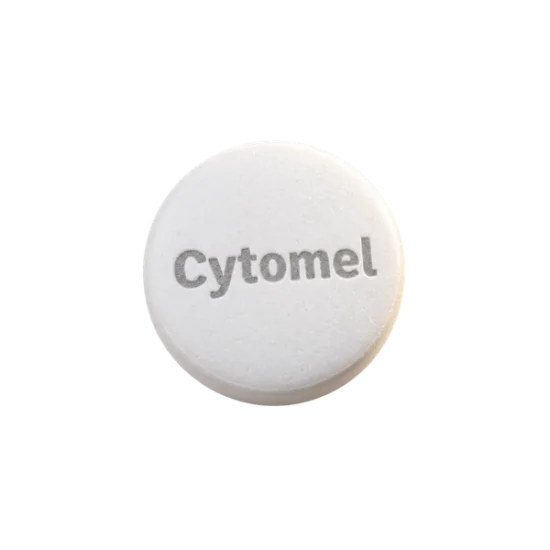
Cytomel tablets contain liothyronine sodium, a synthetic T3 hormone. Cytomel is used in clinical thyroid care, not as a routine fat-loss product.
Endocrine role of triiodothyronine
The thyroid gland produces mostly thyroxine, known as T4. Much of the body’s T3 comes from conversion of T4 in tissues such as the liver and kidneys. Liothyronine provides T3 directly, so its physiological effect does not depend on this conversion step.
Pharmacological action
It acts directly at thyroid-hormone receptors and can raise metabolic activity more quickly than thyroxine-based treatment. T3 increases basal metabolic activity by stimulating thyroid-hormone receptors in many tissues. This can raise energy expenditure and increase the mobilisation of stored fat. The effect is not selective: lean tissue, cardiac muscle, bone, and the nervous system are also exposed to increased thyroid-hormone activity.
What it contains
T3 is the biologically active thyroid hormone that influences oxygen use, heat production, carbohydrate metabolism, fat metabolism, and protein turnover. After absorption, liothyronine enters cells and binds nuclear thyroid-hormone receptors. These receptors alter gene transcription, which changes mitochondrial activity and cellular energy consumption.
Endocrine role of triiodothyronine
T3 increases the activity of mitochondria, the structures that generate cellular energy. The result can include greater oxygen consumption, increased heat production, and faster use of stored energy. These effects explain both its therapeutic value in selected thyroid disorders and the symptoms that can occur when the dose is excessive.
The FDA prescribing information describes this risk and the need for dose adjustment according to the patient’s clinical response and laboratory findings [1].
Directions for use
- Take Cytomel tablets only at the prescribed dose and frequency.
- Use the same administration time each day unless the prescriber changes the schedule.
- Swallow the tablet with water.
- Do not increase the dose to accelerate weight loss or symptom relief.
- Do not stop long-term treatment abruptly without a planned medical review.
- If a dose is missed, take it when remembered unless the next scheduled dose is close; do not double the next dose.
Dosing differs between strengths and between users, so there is no single amount that suits everyone. Adjustment may depend on thyroid-stimulating hormone, free T3, free T4, symptoms, pulse, blood pressure, age, pregnancy status, and heart history.
Liothyronine treatment is usually reviewed through symptoms and thyroid-function tests. A dose change may require time before laboratory results and clinical effects can be interpreted together. The correct duration depends on the underlying thyroid disorder; treatment may be short term in some situations and long term in others.
Thyroid-axis suppression and recovery
Abrupt withdrawal after repeated use may be followed by fatigue, cold intolerance, constipation, slowed thinking, low mood, or reduced exercise tolerance. These symptoms can overlap with the original thyroid disorder. A clinician may use laboratory testing to distinguish under-replacement from another cause.
Reasons not to use it
Cytomel may be unsuitable or require specialist supervision in people with:
- Untreated thyrotoxicosis.
- Recent or active myocardial infarction.
- Angina or significant coronary artery disease.
- A history of clinically important arrhythmia.
- Uncontrolled adrenal insufficiency.
- Osteoporosis or a high fracture risk.
- Diabetes requiring medication adjustment.
- Pregnancy or breastfeeding without a reviewed thyroid-treatment plan.
- Known hypersensitivity to liothyronine or a tablet excipient.
Thyroid hormone can increase the effect of warfarin and other anticoagulants, which may require closer coagulation monitoring. It can alter insulin or other diabetes-treatment requirements. Medicines containing iron, calcium, aluminium, or magnesium may reduce absorption when taken too close to thyroid tablets; separating administration times is often required.
Amiodarone, glucocorticoids, beta-blockers, oestrogen-containing medicines, and some antiseizure treatments can affect thyroid-hormone metabolism or laboratory interpretation.
The European Medicines Agency and national regulators treat thyroid-hormone dosing as an individual endocrine decision rather than a general performance-enhancement strategy [2].
When this is not for you
Cytomel is not suitable for a person seeking rapid fat loss without a confirmed thyroid indication. NOT for you if you are seeking rapid fat loss without a confirmed thyroid indication; a clinician can discuss safer approaches.
Adverse reactions
Adverse effects usually reflect excessive thyroid activity or an individual’s sensitivity to liothyronine. Symptoms can appear after starting treatment, after a dose increase, or when another medicine changes thyroid-hormone requirements.
| Timing | Possible effects |
|---|---|
| Early or dose-related | Palpitations, tremor, sweating, nervousness, headache, insomnia, diarrhoea |
| Cardiovascular | Fast pulse, irregular heartbeat, chest pain, worsening angina |
| Prolonged excess | Weight loss, muscle weakness, reduced bone density, menstrual changes |
The American Thyroid Association describes liothyronine therapy as requiring careful patient selection because T3 produces a shorter and more pronounced concentration peak than T4-based treatment [3]. That pharmacokinetic feature can make some people feel a surge of energy followed by fatigue or irritability.
One practical detail is easy to miss: caffeine, decongestants, nicotine, and other stimulants may make palpitations and tremor feel worse. Another is that diarrhoea or heavy sweating can contribute to dehydration, which may further increase the strain on the cardiovascular system.
Cardiovascular manifestations of excess thyroid hormone
Seek urgent medical care for chest pain, fainting, severe shortness of breath, a sustained irregular heartbeat, marked weakness, confusion, or a very rapid pulse. These symptoms may indicate arrhythmia, myocardial stress, or severe thyrotoxicosis.
Long-term exposure to excess thyroid hormone can contribute to bone loss, especially in postmenopausal women and people with other osteoporosis risks. Muscle wasting may occur even when body weight is falling. The risk is greater when thyroid hormone is combined with aggressive calorie restriction or intense training.

Uses
Thyroid hormone replacement may be prescribed when the body does not produce enough active thyroid hormone. Cytomel contains liothyronine sodium, the synthetic form of triiodothyronine, or T3, for carefully selected thyroid disorders. Treatment decisions depend on the underlying diagnosis and clinical findings.
Comparison
Cytomel and clenbuterol act through different biological systems. Cytomel supplies a thyroid hormone that enters cells and regulates gene expression through nuclear receptors. Clenbuterol is a sympathomimetic beta-adrenergic agonist that stimulates receptors linked to heart rate, airway smooth-muscle relaxation, and nervous-system activation.
| Feature | Cytomel | Clenbuterol |
|---|---|---|
| Main action | Direct T3 activity at thyroid-hormone receptors | Beta-adrenergic stimulation |
| Main risks | Thyrotoxicosis, arrhythmia, bone loss, muscle wasting | Tachycardia, tremor, hypokalaemia, arrhythmia |
| Clinical role | Selected thyroid disorders | Not a routine thyroid treatment |
Combining metabolic stimulants can amplify cardiovascular stress. A faster pulse from thyroid hormone may become more pronounced when another stimulant increases adrenergic activity. This combination can also worsen anxiety, insomnia, dehydration, and electrolyte disturbances.
The comparison does not establish a fat-loss benefit for either approach. Weight reduction caused by excessive hormonal or adrenergic stimulation may come with clinically serious harm. T3 also differs from a stimulant because it can suppress normal thyroid regulation and alter bone and muscle metabolism over time.
Common mistakes
Several patterns lead to avoidable problems:
- Increasing the dose because weight has not changed quickly.
- Taking a missed dose together with the next scheduled dose.
- Stopping after feeling better without checking whether the underlying condition still requires treatment.
- Taking calcium, iron, or antacids close to the tablet.
- Treating a fast pulse as a normal fat-burning effect.
- Combining Cytomel with clenbuterol, stimulant products, or large amounts of caffeine.
- Failing to mention warfarin, diabetes treatment, or heart disease.
- Judging treatment only by body weight rather than symptoms and laboratory results.
Patients sometimes mistake temporary stimulation for improved health. Feeling unusually energetic while sleeping poorly, sweating more, and losing strength can reflect excessive thyroid activity. Muscle weakness is a warning sign, not a target outcome.
What doctors say
In clinical practice, physicians usually judge liothyronine by symptom control, pulse, blood pressure, thyroid-function tests, and the underlying diagnosis. A lower laboratory value is not automatically a reason to increase the dose. Symptoms such as anxiety, heat intolerance, or insomnia may signal over-replacement rather than therapeutic progress.
Doctors are also cautious when a patient has coronary disease. Increased thyroid activity raises cardiac oxygen demand and can provoke angina or rhythm disturbance. For that reason, treatment plans often progress more slowly in older adults and people with cardiovascular risk.
The NICE guideline on thyroid disease supports careful assessment of thyroid function and does not treat thyroid hormone as a general weight-management treatment . A useful clinical question is whether the symptoms being treated reflect true hormone deficiency, another medical condition, or excessive dosing.
Questions and answers
What should I do after missing a Cytomel dose?
Take the missed tablet when remembered unless the next scheduled dose is close. Skipping the missed dose is safer than doubling the next one. The FDA Cytomel prescribing information, updated in 2023, advises against taking two doses together after a missed dose because excessive thyroid activity can cause palpitations and nervousness. Record repeated missed doses because inconsistent use can make thyroid tests and symptom assessment harder to interpret.
Can Cytomel be used during pregnancy or breastfeeding?
Pregnancy changes thyroid-hormone requirements and can alter the balance between T3 and T4 treatment. Cytomel should only be continued, changed, or started during pregnancy after the prescriber has reviewed the diagnosis and thyroid-function results. The American Thyroid Association’s pregnancy guidance, published in 2017, emphasises regular thyroid monitoring during pregnancy and after delivery . Breastfeeding also requires an individual review, especially when the dose is being changed or the infant has medical concerns.
What should be discussed with a doctor before starting Cytomel?
Provide a complete list of medicines, including warfarin, diabetes treatments, iron, calcium, antacids, stimulants, and weight-loss products. Mention chest pain, angina, irregular heartbeat, high blood pressure, osteoporosis, adrenal disease, diabetes, pregnancy, and breastfeeding. NICE guidance updated in 2023 supports reviewing the clinical diagnosis and thyroid tests before changing thyroid-hormone treatment . A history of unexplained tremor, panic symptoms, or unexplained weight loss also deserves discussion because these may already indicate excessive thyroid activity.
How long does a Cytomel course last, and is long-term use acceptable?
Duration depends on the thyroid condition, treatment goal, laboratory results, and response to therapy. Some patients require ongoing thyroid replacement, while others receive liothyronine for a defined clinical situation under monitoring. The 2014 American Thyroid Association guideline describes thyroid-hormone replacement as a long-term endocrine treatment for selected patients, with dosing adjusted to the individual . Long-term use is not a justification for taking more than prescribed or using T3 for physique conditioning.
What is the best time of day to take Cytomel?
Many patients take liothyronine earlier in the day because its activating effect may interfere with sleep when taken late. The important point is to use a consistent schedule and follow the prescribed instructions about food and other medicines. The FDA label reviewed in 2023 describes administration as an individualised treatment decision rather than a universal timing rule . If morning use causes pronounced symptoms or the schedule conflicts with other medicines, the timing should be reviewed clinically.
Which symptoms mean stopping Cytomel and seeking urgent medical care?
Chest pain, fainting, severe breathlessness, a sustained irregular heartbeat, confusion, or extreme weakness requires urgent medical assessment. A very rapid pulse with fever, agitation, vomiting, or severe diarrhoea may indicate dangerous thyroid excess. The World Health Organization’s 2019 medication-safety guidance supports rapid assessment when serious suspected adverse reactions occur [4]. Do not take an additional dose while awaiting urgent advice unless an emergency clinician instructs you to do so.
Do you offer anonymous delivery?
Your order will be securely packed and shipped within 24 hours. This is exactly what your package will look like (images of an actual item sent). It has the size and look of a regular private letter (24x11x0.7 cm) and its contents cannot be seen.
Sources
- U.S. Food and Drug Administration (2023). CYTOMEL (liothyronine sodium) tablets prescribing information.
- National Institute for Health and Care Excellence (2023). Thyroid disease: assessment and management, NICE guideline NG145.
- American Thyroid Association (2014). Guidelines for the Treatment of Hypothyroidism.
- World Health Organization (2019). Medication safety in polypharmacy: technical report.