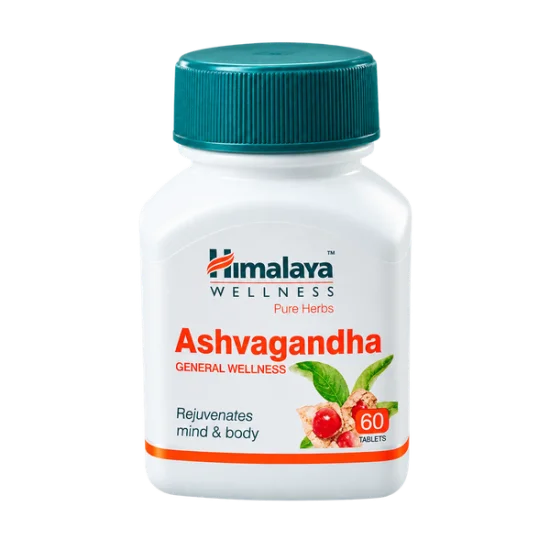
I chose it for work-related tension and took it with dinner. The first few days were uneventful, then I noticed I was less restless before bed. It did not give me extra energy during the day, so I kept my expectations modest.
Ashwagandha
Ashwagandha may help the body adapt to physical and mental stress by influencing stress-response pathways. It is intended for adults seeking general wellness support, including calmer mood, restorative sleep, energy, and stamina.
About this product
Ashwagandha is the common name for Withania somnifera, a botanical used in traditional Ayurvedic practice. It belongs to the Herbal Supplements category within Vitamins, Minerals & Supplements, Diet & Nutrition, and general Health support.
The product is supplied in a bottle containing 60 units. Its named botanical ingredient is Ashwagandha.
Pharmacological action
Stress activates the hypothalamic-pituitary-adrenal axis, commonly called the HPA axis. This network links the brain, pituitary gland, and adrenal glands. It helps the body respond to demanding situations by changing cortisol and other stress-related signals.
Ashwagandha may influence this stress-response system rather than acting as a direct sedative. Clinical studies have reported reductions in perceived stress and, in some groups, lower cortisol measurements after regular use. These findings do not mean that every person will experience the same change, and the supplement should not be presented as a cure for anxiety or chronic stress.
A 2019 randomized, placebo-controlled study of an Ashwagandha extract reported improvements in perceived stress and several stress-related measures. The study was published in Medicine and examined a specific extract, so its results should not automatically be applied to every Ashwagandha preparation [2].
HPA Axis Modulation and Anxiety Symptoms
The HPA axis functions like an internal alarm system. When stress persists, the alarm can remain active even after the immediate pressure has passed. Ashwagandha may help moderate this response through effects on stress signalling, sleep quality, and nervous-system balance.
The term “adaptogen” describes a traditional supplement concept, not a guarantee of a particular clinical outcome. It does not mean that the herb raises or lowers every hormone in a fixed direction. The practical aim is better stress tolerance, not emotional numbness.
What it contains
Ashwagandha is the common name for Withania somnifera, a botanical used in traditional Ayurvedic practice. It belongs to the Herbal Supplements category within Vitamins, Minerals & Supplements, Diet & Nutrition, and general Health support.
The product is supplied in a bottle containing 60 units. Its named botanical ingredient is Ashwagandha. The main plant compounds studied in research are called withanolides, naturally occurring constituents associated with the herb’s stress-response and anti-inflammatory activity.
Ashwagandha is a dietary supplement rather than a treatment for a diagnosed psychiatric, endocrine, cardiovascular, or immune disorder. Its role is supportive. Research has examined stress, sleep, anxiety symptoms, physical performance, and selected markers of inflammation, while results vary according to the extract, preparation, dose, and duration of use [1].
Classification within Dietary Supplements
Ashwagandha is an herbal supplement, not a vitamin or mineral. Botanical supplements can contain complex mixtures of plant constituents, so two preparations with the same herb name may not provide identical amounts of active compounds.
The bottle supplied on this page contains Ashwagandha as the featured botanical ingredient. The appropriate dose is decided individually, taking age, other medicines, and health conditions into account.
Directions for use
Formulations and Administration Protocols content:
The product on this page is supplied as a bottle of Ashwagandha units. The suitable dose is decided individually according to age, other medicines, and health conditions. Use should follow the individualized directions provided for the product rather than copying a dose from a different botanical extract.
Administration Principles
- Take the product by mouth.
- Use it at a consistent time when possible.
- Take it with food if nausea or stomach irritation occurs.
- Do not take extra units to compensate for a missed dose.
- If a dose is missed, resume the planned schedule rather than doubling the next intake.
- Avoid combining it with several new supplements at the same time, because side effects become harder to identify.
Ashwagandha can feel calming for some people and mildly activating for others. Morning use may suit people who notice vivid dreams or morning grogginess, while evening use may suit people using it for relaxation. The first few uses are a sensible time to observe alertness before driving or operating machinery.
Reasons not to use it
- You have current or previous liver disease, unexplained abnormal liver tests, or a history of supplement-related liver injury.
- You have a thyroid disorder or take thyroid hormone, antithyroid treatment, or other medicines affecting thyroid function.
- You have an autoimmune condition or use immunosuppressive treatment.
- You are pregnant or breastfeeding.
- You are preparing for surgery or have been told to avoid supplements before a procedure.
- You have a known allergy to Ashwagandha or related botanical ingredients.
- You are under 18 unless a qualified clinician has specifically advised its use.
Potential interaction groups include sedatives, sleep medicines, anti-anxiety medicines, anticonvulsants, medicines affecting thyroid function, immunosuppressants, and medicines that lower blood pressure or blood glucose.
When this is not for you
This supplement may not be suitable if you have liver or thyroid problems, an autoimmune condition, are pregnant or breastfeeding, are preparing for surgery, or are under 18. You should also avoid using it without professional advice if you take medicines for sleep, anxiety, seizures, thyroid function, blood pressure, blood glucose, or immune suppression. People with diabetes should monitor for symptoms of low blood sugar if Ashwagandha is used alongside glucose-lowering treatment. People taking blood-pressure medicine should pay attention to dizziness on standing.
Adverse reactions
Ashwagandha is tolerated by many adults, though mild adverse effects can occur. Reported problems include stomach upset, loose stools, nausea, headache, drowsiness, and changes in alertness. Taking the product with food may reduce digestive discomfort. The severity of these effects can vary between people. Persistent or worsening symptoms warrant a review of the product and other possible causes.
Rare but clinically significant liver injury has been reported with some Ashwagandha products. Stop use and seek urgent medical assessment if yellowing of the skin or eyes, dark urine, unusually pale stools, severe itching, persistent vomiting, or marked abdominal pain develops.
Other warning signs include facial swelling, wheezing, widespread rash, fainting, severe palpitations, or confusion. These symptoms may indicate an allergic or other serious reaction.
A 2023 safety review from the National Center for Complementary and Integrative Health described possible gastrointestinal effects, drowsiness, medication interactions, and rare liver concerns. The review also stresses that evidence depends on the specific preparation studied [4].
Uses
It is intended for adults seeking general wellness support, including calmer mood, restorative sleep, energy, and stamina.
Ashwagandha may be useful for mild, occasional stress symptoms. Severe anxiety, panic attacks, depression, trauma symptoms, or thoughts of self-harm require medical assessment rather than self-treatment with a supplement.
Ashwagandha has been examined in sports nutrition and general wellness research for energy, stamina, strength, and recovery. Some studies found improvements in strength or cardiorespiratory performance when supplementation was combined with structured resistance training.
Ashwagandha may support exercise routines, yet it does not replace protein, adequate calories, hydration, sleep, or progressive training.
The results apply to the studied extract and training protocol, not automatically to every bottle of Ashwagandha [3].
Comparison
Ashwagandha differs from prescription treatments and lifestyle measures because it is a botanical supplement with a broad, gradual stress-support role.
| Approach | Main mechanism | Practical distinction |
|---|---|---|
| Ashwagandha | May influence stress-response pathways and HPA-axis activity | Botanical support used consistently; results vary by preparation and person |
| Sleep and stress habits | Reduce behavioural and environmental triggers | Foundation for sleep and stress control, without supplement interactions |
| Prescription treatment for anxiety or insomnia | Targets defined neurotransmitter or sleep pathways | Used for diagnosed conditions under a clinician’s treatment plan |
Ashwagandha may suit an adult seeking general wellness support around stress, sleep, or stamina. It is less suitable as the sole response to severe symptoms, rapidly worsening mood, or a diagnosed illness requiring active treatment.
The closest alternative by mechanism is not another named product but a structured stress-management programme combining regular exercise, stable sleep timing, relaxation training, and reduced stimulant intake. That approach has a different risk profile and can complement, rather than duplicate, botanical use.
Common mistakes
- Starting it while introducing three or four other supplements.
- Taking extra units because the first few days produced no obvious change.
- Using it with alcohol or sedatives without observing the combined effect.
- Treating it as a substitute for thyroid, diabetes, blood-pressure, or psychiatric treatment.
- Ignoring persistent diarrhoea, jaundice, unusual itching, or severe fatigue.
- Taking it immediately before driving before knowing its effect on alertness.
- Changing the time of administration every day, making sleep or daytime effects difficult to interpret.
One useful method is to change only one variable at a time. Record sleep quality, daytime alertness, digestive symptoms, and any new medicine or supplement.
A person who stops because of suspected liver symptoms should not restart it independently. Re-exposure can make a drug- or supplement-related liver reaction more serious.
What doctors say
In clinical practice, a doctor would usually treat Ashwagandha as a supportive option for selected adults rather than a replacement for diagnosis or treatment. The first questions would concern sleep, mood, alcohol intake, thyroid history, liver health, pregnancy status, and current medicines.
A clinician would also ask what outcome the person expects. “Less tense in the evening” is a measurable goal. “Fix my hormones” is too broad to guide safe use.
Consistency matters because most research evaluates regular use over several weeks, not isolated doses. A physician would usually stop the supplement when a suspected adverse reaction appears rather than trying to overcome the symptom by changing the timing.
The product may be reasonable for general wellness support when expectations are modest and contraindications have been considered. It is a poor fit for unexplained fatigue, severe anxiety, persistent insomnia, or symptoms suggesting liver, thyroid, or cardiovascular disease.
Questions and answers
Can Ashwagandha be combined with medicines for sleep or anxiety?
Ashwagandha may increase drowsiness when combined with sedatives, sleep medicines, alcohol, or some anxiety treatments. The National Center for Complementary and Integrative Health described this interaction concern in its 2023 safety information. A clinician should review the full medicine list before combining these products, especially when treatment includes several calming agents. Avoid driving until the combined effect is known.
How does Ashwagandha differ from other stress-support supplements?
Ashwagandha is studied mainly for stress-response regulation, perceived stress, sleep quality, and selected physical-performance outcomes. Magnesium, calming herbs, and other supplements act through different nutritional or botanical mechanisms and cannot be treated as interchangeable. The World Health Organization’s 2009 monograph framework for medicinal plants supports evaluating each botanical by its identity, preparation, and traditional use rather than assuming that all stress supplements work alike.
Which diet, exercise, and habits can support its results?
Regular sleep timing, moderate exercise, adequate protein and fluids, and reduced late-day caffeine can support the same stress and recovery goals. Heavy alcohol use, sleep deprivation, prolonged inactivity, and frequent stimulant intake may work against better sleep and daytime resilience. The American College of Sports Medicine’s 2022 guidance on exercise and recovery supports these foundations independently of any supplement. Ashwagandha should complement these habits rather than compensate for their absence.
Can Ashwagandha affect driving, concentration, or machinery work?
Some people report drowsiness, reduced alertness, or slower reactions after Ashwagandha, while others notice no change. The National Highway Traffic Safety Administration’s 2024 driver-safety materials recognise medication- and supplement-related impairment as a practical workplace concern. Avoid driving or machinery work during the first uses until your individual response is clear. Extra caution is needed when alcohol, sleep medicines, or sedatives are also involved.
Is Ashwagandha suitable for older adults?
Older adults may be more sensitive to dizziness, sedation, blood-pressure changes, glucose changes, and medicine interactions. The American Geriatrics Society’s 2023 principles for medication review support checking the complete treatment list before adding a supplement. Particular caution applies with thyroid treatment, diabetes medicines, blood-pressure medicines, sedatives, and anticoagulant therapy. A lower or less frequent regimen may be selected individually, but the decision depends on health status and concurrent treatment.
What happens after stopping Ashwagandha, and does it need tapering?
Ashwagandha is not generally managed like a medicine that requires a formal taper, though individual advice may differ when it has been used alongside sedatives or other treatment. The National Center for Complementary and Integrative Health’s 2023 safety information does not describe a standard withdrawal syndrome for ordinary supplement use. Stress or sleep symptoms may gradually return if the supplement had been helping, while others notice no change. Stop promptly and seek medical assessment when jaundice, severe abdominal pain, facial swelling, breathing difficulty, or another serious reaction appears.
Do you offer anonymous delivery?
Your order will be securely packed and shipped within 24 hours. This is exactly what your package will look like (images of an actual item sent). It has the size and look of a regular private letter (24x11x0.7 cm) and its contents cannot be seen.
Practical Use for Exercise Recovery
Adults using Ashwagandha for stamina usually take it consistently rather than only on training days. Its potential benefit relates to repeated use and recovery habits, not an immediate stimulant effect.
Do not combine the supplement with a demanding exercise programme while ignoring dizziness, unusual weakness, palpitations, or dark urine after training. Those symptoms need medical evaluation.
Sources
- World Health Organization (2009). WHO Monographs on Selected Medicinal Plants, Volume 4 — Withania somnifera.
- Medicine (2019). An investigation into the stress-relieving and pharmacological actions of an ashwagandha extract.
- Journal of the International Society of Sports Nutrition (2018). Effects of an aqueous extract of Withania somnifera on strength training adaptations and recovery.
- National Center for Complementary and Integrative Health (2023). Ashwagandha: Usefulness and Safety.