Skip to content
Arava
Active ingredient: Leflunomide

Arava

Quality products
24/7 Support
Fast delivery
Delivery from 4 days
Select pack Package Per unit Price

Free delivery on orders from AED 796.00, free express delivery from AED 1,194.00

Secure Payments
Track your order
Best price guarantee

Arava is intended for adults whose rheumatoid arthritis requires disease-modifying treatment. Its active ingredient, leflunomide, helps reduce immune-driven inflammation and limit the progression of joint damage over time.

About this product

Adults with active rheumatoid arthritis may be prescribed Arava tablets to reduce immune-driven joint inflammation and slow structural damage. Arava contains leflunomide, a disease-modifying antirheumatic drug that changes lymphocyte activity rather than providing short-term pain relief.

Pharmacological action

Leflunomide blocks dihydroorotate dehydrogenase, an enzyme involved in de novo pyrimidine synthesis. Activated T lymphocytes require this pathway to multiply rapidly. By reducing pyrimidine availability, leflunomide limits the expansion of immune cells involved in rheumatoid inflammation.

Immunomodulatory Pathway of Leflunomide

Rheumatoid arthritis involves abnormal immune activity within the synovial lining of affected joints. Activated lymphocytes release signals that recruit other inflammatory cells and stimulate processes contributing to cartilage and bone damage.

Leflunomide reduces this immune-cell expansion. That mechanism can lower swelling, tenderness, and prolonged morning stiffness after treatment has had time to build its effect. It does not permanently remove the underlying autoimmune tendency, so continued monitoring and regular dosing remain central to treatment.

Arava is a long-term disease-modifying treatment. A reduction in pain alone does not show whether joint inflammation is fully controlled, so rheumatology follow-up usually includes symptom review, physical examination, and blood-test monitoring.

The main therapeutic distinction is its mechanism. Methotrexate affects several immune and inflammatory pathways, while biologic disease-modifying drugs target specific cytokines or immune-cell signals. The most suitable option depends on disease severity, previous treatment, liver and kidney function, pregnancy plans, and other medicines.

The effect is gradual, so Arava is not intended to work like an immediate analgesic.[1] Clinical response is assessed over time rather than after one dose.

What it contains

Arava is supplied as oral tablets containing leflunomide. The amount taken at each intake is selected individually rather than being one fixed dose for every person. Rheumatologists may adjust the regimen according to treatment response, adverse effects, laboratory results, and previous disease-modifying therapy.

Clinical Role of Arava Tablets

Arava is used for active rheumatoid arthritis in adults. The purpose is disease control, not simply temporary relief during a painful flare. Some patients notice improvement gradually, while others require a different disease-modifying strategy or combination treatment.

Its potential advantages include oral administration, a well-established immunomodulatory mechanism, and suitability for patients whose rheumatology plan includes a non-biologic disease-modifying antirheumatic drug. Limitations include the need for laboratory surveillance, possible liver toxicity, infection risk, gastrointestinal effects, and strict pregnancy precautions.

Directions for use

Arava tablets are taken by mouth at the prescribed amount and frequency. The dose is individualised for each patient. Treatment may begin with a loading regimen in selected adults, while some clinicians omit or modify the loading phase when tolerability is a concern.

  • Take the tablet at the same time each day when possible.
  • Swallow it with water.
  • Take it with or without food, provided the same routine is maintained.
  • Do not double the next intake after a missed dose.
  • If a missed dose is remembered close to the next scheduled intake, skip the missed intake and return to the usual schedule.
  • Continue laboratory monitoring at the intervals arranged by the rheumatology team.
  • Do not stop suddenly without a treatment plan, because the active metabolite can persist for a long time.
If vomiting occurs soon after the tablet, do not automatically repeat the dose. Repeating it can create uncertainty about the total amount absorbed; obtain medication-specific advice before taking more.

A loading dose is not appropriate for everyone. It can produce faster exposure to the active metabolite but may also increase early gastrointestinal or liver-related intolerance. The maintenance amount is selected according to the individual clinical response.

Arava requires a prescription because it affects immune function and can alter liver, blood, and infection risk. Monitoring may include liver enzymes, a complete blood count, kidney function, blood pressure, and pregnancy assessment where relevant. EMA product information describes regular safety surveillance as part of leflunomide treatment.[2]

Reasons not to use it

The following situations require avoidance, specialist review, or a different treatment plan:

  • Pregnancy or the possibility of pregnancy during treatment.
  • Breastfeeding.
  • Severe liver impairment or active liver disease.
  • Significant impairment of bone marrow function.
  • Serious uncontrolled infection.
  • Severe immune deficiency.
  • Previous serious allergic reaction to leflunomide or teriflunomide.
  • Concomitant use of another medicine that creates unacceptable liver, blood-count, or immune-suppression risk.
  • Uncontrolled high blood pressure until appropriate management is established.

When this is not for you

Arava is not suitable for everyone. NOT for you if pregnancy is possible without reliable prevention, liver disease is active, serious infection is uncontrolled, or required monitoring cannot be completed.

Women who could become pregnant need reliable pregnancy prevention during treatment and after stopping until drug elimination has been confirmed. Men planning fatherhood should discuss the required precautions because leflunomide metabolites may persist for an extended period.

Vaccination planning also matters. Live vaccines may be unsuitable during immunomodulatory treatment, while responses to some vaccines may be reduced. The treating clinician should assess vaccination needs before therapy or during a stable treatment period.

Adverse reactions

Common adverse effects associated with leflunomide include diarrhoea, nausea, abdominal discomfort, headache, skin reactions, hair thinning, and increased blood pressure. Respiratory infections can occur because the medicine modifies immune activity. Hair shedding may be distressing but can improve after treatment adjustment or discontinuation.

Liver injury is a major safety concern. Warning signs include persistent nausea, unusual tiredness, loss of appetite, dark urine, pale stools, yellowing of the skin or eyes, or pain beneath the right ribs. These symptoms require prompt medical assessment.

Other serious reactions can include severe skin reactions, blood-cell abnormalities, peripheral neuropathy, serious infection, interstitial lung disease, and significant hypertension. The FDA prescribing information describes liver monitoring, blood-count monitoring, pregnancy precautions, and procedures for accelerated drug elimination.[3]

A practical detail patients often miss is that hair thinning may appear before other treatment problems. Mentioning it early allows the clinician to distinguish a tolerable cosmetic effect from a wider pattern of toxicity.

Leflunomide can also increase susceptibility to infection. A persistent fever, breathlessness, painful urination, or a cough that worsens should be reported promptly rather than treated as an ordinary minor illness.

Alcohol deserves special caution because both alcohol and leflunomide can stress the liver. Regular or heavy alcohol intake may raise the chance of abnormal liver-test results and liver injury.

Uses

Arava is used for active rheumatoid arthritis in adults. The purpose is disease control, not simply temporary relief during a painful flare. Some patients notice improvement gradually, while others require a different disease-modifying strategy or combination treatment.

Comparison

Arava belongs to the conventional synthetic disease-modifying antirheumatic drug group. The comparison below describes treatment categories rather than commercial products.

Treatment approach Main immune effect Typical clinical role
Leflunomide Reduces pyrimidine synthesis in activated lymphocytes Oral disease-modifying treatment for active rheumatoid arthritis
Methotrexate Modifies folate-related and inflammatory immune pathways Common first-line disease-modifying option
Biologic or targeted therapy Blocks selected cytokines, receptors, or intracellular signals Used when disease remains active or prognosis requires escalation

Methotrexate may be preferred when it is suitable and tolerated because it has extensive clinical experience in rheumatoid arthritis. Arava can be selected when a rheumatologist considers its mechanism and oral regimen appropriate. Biologic or targeted treatment may be considered when conventional disease-modifying therapy does not control inflammation adequately.

No option is universally best. A faster reduction in symptoms does not necessarily mean better long-term control, and a medicine that works well for one patient may cause unacceptable toxicity in another.

Common mistakes

Several practical errors can reduce treatment benefit or increase risk:

  • Expecting Arava to relieve acute pain immediately.
  • Taking extra tablets because joint symptoms remain active.
  • Missing blood tests after feeling better.
  • Continuing regular alcohol intake without mentioning it.
  • Starting a supplement without checking for liver or immune-related concerns.
  • Ignoring diarrhoea, fever, breathlessness, skin blistering, or jaundice.
  • Stopping contraception before the required elimination period is complete.
  • Doubling the next dose after a missed intake.
  • Assuming a low pain score proves that rheumatoid inflammation is controlled.
  • Failing to tell a new doctor that leflunomide has been used recently.

One easily overlooked point is the long persistence of leflunomide metabolites. Stopping the tablets does not always remove the medicine quickly, which is why an accelerated elimination procedure may be used in specific clinical circumstances.

What doctors say

Rheumatologists generally judge Arava by disease activity over time, not by the first few days of symptom change. The treatment is intended to protect function and reduce inflammatory progression, so improvement in morning stiffness, swollen-joint count, blood markers, and daily activity can all matter.

A clinician would also look for treatment-limiting toxicity. Stable symptoms do not remove the need for blood tests because liver or blood-count changes may develop before a person feels unwell.

Treatment decisions are individual. A patient with liver disease, recurrent infection, uncontrolled hypertension, or a pregnancy plan may need another disease-modifying approach. WHO describes rheumatoid arthritis as a chronic inflammatory condition in which early management can help reduce disability and preserve function.[4]

Questions and answers

What should be checked or discussed with a doctor before starting Arava?

The prescriber should review liver disease, blood counts, kidney function, blood pressure, infection history, pregnancy plans, vaccination needs, and every medicine or supplement being used. Pregnancy prevention and the possibility of future fatherhood also need discussion because leflunomide metabolites may remain in the body for a prolonged period. The EMA product information (2024) identifies these issues as core parts of safe treatment planning.

Which diet, exercise, or daily habits can support treatment?

Gentle regular exercise can help preserve joint mobility, muscle strength, and physical function when adjusted to disease activity. A balanced diet and moderation of alcohol support general health, while heavy alcohol intake can add liver stress during leflunomide treatment. The American College of Rheumatology guideline published in 2021 supports exercise and rehabilitation approaches as part of rheumatoid arthritis care, alongside disease-modifying treatment.[5]

Can alcohol be used while taking Arava?

Alcohol should be discussed with the prescriber, and regular or heavy intake should be avoided because alcohol and leflunomide can both affect the liver. Even moderate intake may be unsuitable if liver enzymes are elevated or another liver-affecting medicine is being used. FDA safety information from 2023 requires attention to liver injury risk during leflunomide treatment.

Can the Arava tablet be split, crushed, or chewed?

Arava tablets should be swallowed as prescribed rather than crushed or chewed. Altering a tablet can make administration less predictable and may create problems when the prescribed amount is carefully adjusted. The EMA product information (2024) describes Arava as an oral tablet intended for administration according to the prescribed regimen.

What should happen if the expected result does not appear?

Do not increase the amount independently or stop treatment after a short period. Rheumatoid arthritis activity should be reassessed through symptoms, examination, functional changes, laboratory markers, and sometimes imaging. The American College of Rheumatology treatment recommendations from 2021 support adjusting disease-modifying therapy when the treatment target is not reached, rather than relying only on pain intensity.

Is Arava suitable for people under 18?

Arava is generally used for adults with rheumatoid arthritis, and routine use in children is not established in the same way as adult treatment. A paediatric rheumatologist would need to assess the diagnosis, alternatives, growth considerations, infection risk, and monitoring requirements. EMA product information from 2024 limits the established therapeutic use of leflunomide to the relevant adult indication.

Can older adults use Arava?

Older adults may use leflunomide when the expected benefit outweighs the risks, but age-related liver, kidney, blood-count, infection, and blood-pressure concerns require careful review. Multiple medicines can also increase interaction risk. WHO guidance from 2023 on rheumatoid arthritis care supports individualised treatment planning that considers comorbidities, function, and tolerability rather than age alone.

Do you offer anonymous delivery?

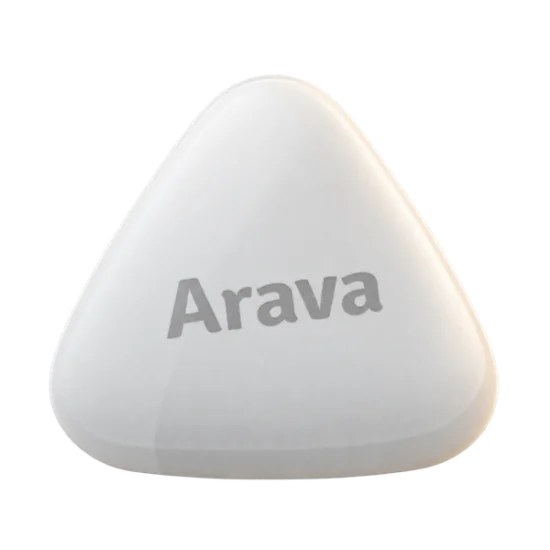
Your order will be securely packed and shipped within 24 hours. This is exactly what your package will look like (images of an actual item sent). It has the size and look of a regular private letter (24x11x0.7 cm) and its contents cannot be seen.

Sources

  1. European Medicines Agency (2024). Arava: Summary of Product Characteristics and product information for leflunomide.
  2. European Medicines Agency (2024). Arava: European public assessment and product information documents.
  3. U.S. Food and Drug Administration (2023). Arava (leflunomide) prescribing information.
  4. World Health Organization (2023). Rheumatoid arthritis: public health information and clinical overview.
  5. American College of Rheumatology (2021). 2021 American College of Rheumatology Guideline for the Treatment of Rheumatoid Arthritis.

Arava: What Customers Say

3.3
Based on 5 reviews
Daniel L., 67 Jumeirah Several weeks
Verified
Rating: 3.5 out of 5

After several weeks on Arava, my morning stiffness had become easier to manage and I walked farther without stopping. I still needed regular blood tests, and the first month included loose stools that settled.

1 Oct 2026
Mohammed, 44 Liwa
Verified
Rating: 3 out of 5

The tablets were easier for me than injections. My hands felt less swollen after a gradual improvement, although I developed headaches early on and needed the timing adjusted.

9 Oct 2026
Usman, 31 Al Nahda The first two weeks
Verified
Rating: 3.5 out of 5

I expected quick pain relief and was disappointed during the first two weeks. The rheumatology review explained that the treatment was aimed at disease control, and later my morning stiffness was shorter.

15 Oct 2026
Omar C., 33 Hatta
Verified
Rating: 3.5 out of 5

Arava helped my joint symptoms, but my liver tests changed during treatment. The medicine was stopped and monitored, so the result was useful but not something I could continue casually.

20 Oct 2026
Ali, 44 Dibba Al-Fujairah
Verified
Rating: 3 out of 5

I missed a monitoring appointment because I felt well. My clinician reminded me that feeling better does not remove the need for blood tests, especially with a medicine that can affect the liver.

28 Oct 2026
Get our free app Shop faster and track your orders Install