Skip to content
Actonel
Active ingredient: Risedronate Sodium

Actonel

Quality products
24/7 Support
Fast delivery
Delivery from 4 days
Select pack Package Per unit Price

Free delivery on orders from AED 796.00, free express delivery from AED 1,194.00

Secure Payments
Track your order
Best price guarantee

Adults with osteoporosis, reduced bone density, or increased fracture risk may be prescribed Actonel tablets to slow bone loss. Actonel contains risedronate, a bisphosphonate that reduces osteoclast-driven bone breakdown and supports stronger bone structure when used with appropriate calcium and vitamin D management.

About this product

Actonel contains risedronate sodium, an oral nitrogen-containing bisphosphonate. It is prescribed for osteoporosis, including postmenopausal osteoporosis, age-related bone loss, and selected cases of glucocorticoid-induced osteoporosis.

Pharmacological action

Bone is constantly remodelled through two linked processes. Osteoclasts remove older bone, while osteoblasts form new bone. Osteoporosis develops when resorption exceeds formation for a prolonged period.

Risedronate has a high affinity for hydroxyapatite, the calcium-phosphate mineral that gives bone much of its hardness. It becomes concentrated at active bone-resorption sites. When osteoclasts attach to these surfaces, they take up risedronate during the resorption process.

Inside the osteoclast, risedronate interferes with the mevalonate pathway. This pathway produces signalling molecules needed for the correct attachment, movement, and survival of osteoclasts. Disruption reduces osteoclast function and can promote osteoclast apoptosis, meaning programmed cell death.

The practical result is slower bone turnover. Bone mineral is lost more slowly, allowing the formation side of remodelling to restore part of the imbalance over time. The FDA prescribing information describes risedronate as an inhibitor of osteoclast-mediated bone resorption .

This mechanism differs from calcium supplementation. Calcium supplies a mineral needed for bone, while risedronate changes the cellular process responsible for bone breakdown.

What it contains

Risedronate is the active pharmaceutical ingredient. After oral administration, it reaches bone surfaces where mineral crystals are being remodelled. Its clinical role is preventive as well as therapeutic: osteoporosis often progresses without pain until a fracture occurs.

The amount taken at each intake is selected individually. Daily and once-weekly risedronate schedules exist, so the prescribed schedule must match the specific regimen supplied for the patient.

Keep the dosing day consistent when a weekly regimen has been prescribed. Linking it to a regular morning routine can reduce missed doses.

Active ingredient profile

Risedronate sodium belongs to the bisphosphonate class. Bisphosphonates attach to mineralised bone and reduce the activity of osteoclasts, the cells responsible for breaking down old bone.

Actonel does not provide an immediate sensation of stronger bones. Bone density changes gradually, and fracture prevention depends on regular administration over the treatment period selected by the prescriber.

Directions for use

Actonel tablets are taken orally according to the prescribed schedule. Risedronate may be prescribed daily or once weekly, depending on the clinical indication and the regimen selected by the prescriber.

Key administration principles include:

  • Take the tablet in the morning after waking.
  • Use plain water rather than coffee, tea, juice, milk, or mineral water.
  • Swallow the tablet while upright.
  • Remain sitting or standing for at least 30 minutes after taking it.
  • Avoid food, drinks other than plain water, and other oral medicines during the required fasting interval.
  • Take calcium, iron, magnesium, aluminium, and other mineral supplements later, because they can reduce risedronate absorption.
  • Follow the prescribed daily or weekly calendar exactly.

Do not crush, chew, or suck the tablet. The tablet is intended to reach the stomach intact, and chewing can irritate the mouth or oesophagus.

The amount per intake is set individually rather than being one fixed number for every person. The regimen may also change if kidney function, fracture risk, glucocorticoid exposure, or treatment response changes.

If a dose is missed, the correct action depends on whether the prescription is daily or weekly. A missed daily dose is generally taken when remembered unless the next dose is close. A missed weekly dose is handled according to the day on which it is remembered; two tablets should not be taken on the same day to compensate.

A common practical error is taking risedronate with coffee. Coffee, milk, and breakfast can reduce absorption, so plain water is the safest administration drink.

Daily and weekly schedules

Regimen Practical administration Main point
Daily risedronate Taken on the prescribed morning schedule Do not double a missed dose
Once-weekly risedronate Taken on one fixed morning each week Keep the same weekday where possible
Calcium or mineral supplement Taken separately from risedronate Avoid simultaneous administration

Reasons not to use it

Actonel is not for you if you have:

  • Uncorrected hypocalcaemia.
  • A known allergy to risedronate or any tablet component.
  • An inability to remain upright for at least 30 minutes.
  • An oesophageal abnormality that delays emptying or makes swallowing unsafe.
  • Severe renal impairment where risedronate is unsuitable.
  • Active swallowing problems that raise the risk of oesophageal irritation.

Calcium supplements, antacids, iron, magnesium, and aluminium-containing products can bind risedronate in the gastrointestinal tract. Separate them from Actonel according to the prescribed instructions. This interaction affects absorption rather than causing a typical allergic reaction.

When this is not for you

Low blood calcium must be corrected before starting therapy. Risedronate can increase the movement of calcium into bone, so existing hypocalcaemia may become clinically significant.

Tell the prescriber about:

  • Kidney disease.
  • Previous oesophageal inflammation or reflux complications.
  • Difficulty swallowing tablets.
  • Dental implants, planned tooth extraction, or significant gum disease.
  • Long-term corticosteroid treatment.
  • Low calcium or vitamin D.
  • Previous reactions to other bisphosphonates.

Adverse reactions

Digestive side effects are among the most recognised problems with oral risedronate. Possible reactions include indigestion, abdominal discomfort, nausea, constipation, diarrhoea, and irritation of the upper gastrointestinal tract. Headache, muscle pain, joint pain, and back pain may also occur.

Oesophageal irritation needs prompt attention. New or worsening difficulty swallowing, painful swallowing, chest pain, or severe heartburn after starting treatment should be reported promptly.

Rare but important bisphosphonate-associated complications include:

  • Osteonecrosis of the jaw.
  • Atypical subtrochanteric or femoral-shaft fractures.
  • Low blood calcium.
  • Severe musculoskeletal pain.
  • Oesophageal ulceration or inflammation.

Osteonecrosis of the jaw involves delayed healing or exposed jaw bone, often after dental procedures. The risk is higher with cancer treatment, intravenous bisphosphonates, corticosteroids, poor oral hygiene, smoking, and invasive dental surgery. The risk with oral osteoporosis treatment is low, but persistent jaw pain, gum swelling, loose teeth, or a non-healing mouth wound should receive dental and medical assessment.

Atypical femoral fractures can develop with little or no trauma, sometimes after prolonged bisphosphonate therapy. New, persistent pain in the groin, hip, or thigh may appear before a complete fracture. Do not ignore that symptom.

A dull ache in one thigh can be more useful clinically than a sudden severe pain. Report persistent thigh or groin discomfort early, especially during long-term bisphosphonate treatment.

Dental care remains appropriate during treatment. Tell the dentist that you use a bisphosphonate before an extraction or implant procedure. Routine brushing, interdental cleaning, and regular dental assessment help reduce preventable oral complications.

Severe allergic symptoms, facial swelling, breathing difficulty, blistering skin, or chest pain require urgent medical attention.

Uses

It is prescribed for osteoporosis, including postmenopausal osteoporosis, age-related bone loss, and selected cases of glucocorticoid-induced osteoporosis. Treatment aims to reduce bone resorption and lower the risk of vertebral and other osteoporosis-related fractures [1].

Actonel may be considered for adults with:

  • Postmenopausal osteoporosis.
  • Osteoporosis in men with increased fracture risk.
  • Bone loss associated with prolonged glucocorticoid treatment.
  • Low bone mineral density combined with clinical risk factors for fracture.
  • Previous vertebral or other fragility fractures, when a bisphosphonate is clinically appropriate.

Comparison

Risedronate, alendronic acid, and sodium clodronate all reduce bone resorption, but they differ in chemical structure, potency, administration requirements, and approved clinical uses.

Treatment category Pharmacological profile Practical distinction
Risedronate Nitrogen-containing bisphosphonate Oral treatment with daily or weekly regimens
Alendronic acid Nitrogen-containing bisphosphonate Oral schedules with strict fasting and upright requirements
Sodium clodronate Non-nitrogen bisphosphonate Different cellular mechanism and clinical indications

Risedronate and alendronic acid both inhibit enzymes in the mevalonate pathway. The choice between them may depend on renal function, fracture pattern, previous tolerability, adherence, swallowing ability, and local prescribing practice.

Sodium clodronate is a non-nitrogen bisphosphonate. Its molecular action differs from risedronate, although both reduce osteoclast-mediated bone resorption. It should not be treated as a direct substitute without a clinical reason.

No bisphosphonate removes the need for adequate calcium and vitamin D status. Each also requires attention to administration technique, because poor absorption can make an apparently appropriate regimen less useful.

Common mistakes

Several administration errors can reduce absorption or increase irritation:

  • Taking Actonel with breakfast, coffee, juice, or milk.
  • Swallowing the tablet while lying down.
  • Taking calcium or an antacid at the same time.
  • Crushing or chewing the tablet.
  • Taking two doses together after forgetting one.
  • Changing from a weekly schedule to a daily schedule without a prescription.
  • Stopping after a few weeks because no noticeable sensation has occurred.
  • Failing to mention persistent heartburn or painful swallowing.
  • Forgetting to report planned dental extraction.
  • Assuming vitamin supplements are harmless to combine without checking their mineral content.

The tablet should not be taken immediately before bed. Morning administration allows the patient to remain upright and keeps the dose separate from breakfast.

One detail patients often miss is the difference between calcium-containing food and calcium tablets. Food timing is part of the fasting instructions, while supplements and antacids may require a longer separation because of their concentrated mineral content.

Another frequent mistake is restarting an old regimen after a treatment interruption. The correct schedule may depend on the length of the gap and the indication, so the next dose should be confirmed through the prescriber or online pharmacy clinical service before restarting.

What doctors say

In clinical practice, doctors often focus first on fracture risk rather than bone density alone. A previous vertebral fracture, increasing age, low bone mineral density, glucocorticoid exposure, and repeated falls can all influence the treatment decision.

A physician will also ask how reliably the patient can follow the fasting and upright requirements. Risedronate can be a useful option when the patient can maintain the administration routine, while swallowing difficulty or persistent upper gastrointestinal symptoms may lead to another strategy. Treatment response is not judged by how the patient feels after one tablet. Bone protection develops gradually. Follow-up may include fracture history, adherence review, calcium and vitamin D assessment, renal monitoring, and bone mineral density testing when clinically appropriate.

The European Medicines Agency describes osteoporosis treatment as part of a broader fracture-prevention plan that includes assessment of risk factors and follow-up [2]. The World Health Organization also recognizes fracture prevention as an important component of osteoporosis care. A doctor may also reassess the duration of therapy after several years, because prolonged bisphosphonate exposure requires an individual benefit-risk review.

Questions and answers

Can Actonel tablets be split, crushed, or chewed?

Actonel tablets should be swallowed whole with plain water. Crushing or chewing may irritate the mouth and oesophagus and changes the intended way the tablet reaches the stomach. FDA prescribing information available in 2020 specifies oral administration with water and upright positioning . If swallowing is difficult, the regimen should be reviewed rather than altering the tablet independently.

What should be checked before starting Actonel?

The prescriber should review calcium status, kidney function, swallowing ability, oesophageal history, dental problems, and medicines that contain calcium, iron, magnesium, or aluminium. Previous fractures and glucocorticoid exposure also influence treatment selection. NICE osteoporosis guidance published in 2021 supports assessing fracture risk and relevant clinical factors before antiresorptive therapy [3]. Planned dental surgery should be mentioned before treatment begins.

What is the best time of day to take Actonel?

Actonel is normally taken in the morning after waking, before food and before other oral medicines. The tablet is swallowed with plain water, and the patient remains upright for at least 30 minutes. The FDA label available in 2020 describes this approach to reduce gastrointestinal irritation and support absorption . Coffee, milk, juice, and mineral supplements should not be used for the dose.

What should be done after a missed Actonel dose?

The action depends on whether the prescription is daily or weekly. A missed dose should not be replaced by taking two tablets together, and two tablets should not be taken on the same day. Product-specific missed-dose instructions should be confirmed through the prescriber or pharmacist service because weekly schedules use different recovery rules. The EMA osteoporosis information current before 2026 also treats adherence and correct dosing intervals as part of safe bisphosphonate use .

Can Actonel be combined with calcium or mineral supplements?

Calcium, iron, magnesium, aluminium, and antacids can reduce risedronate absorption when taken close to the tablet. They should be scheduled separately rather than swallowed with Actonel. The National Osteoporosis Foundation’s clinical resources published in 2022 describe calcium and vitamin D as supportive measures that still require appropriate timing with oral bisphosphonates [4]. The exact separation interval should follow the prescribed regimen.

Which condition rules out Actonel?

Uncorrected hypocalcaemia is a contraindication because risedronate can worsen clinically low calcium. An inability to remain upright, significant oesophageal emptying problems, severe swallowing difficulty, allergy to risedronate, and severe renal impairment may also make Actonel unsuitable. The FDA prescribing information available in 2020 lists hypocalcaemia and oesophageal-related restrictions among the key safety concerns . These conditions require treatment planning before the first dose.

Do you offer anonymous delivery?

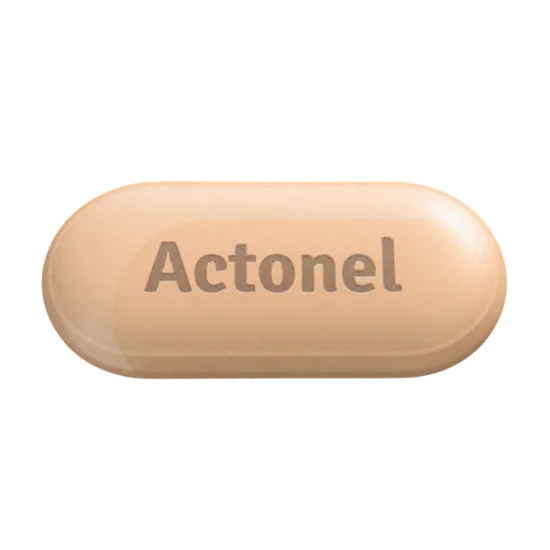
Your order will be securely packed and shipped within 24 hours. This is exactly what your package will look like (images of an actual item sent). It has the size and look of a regular private letter (24x11x0.7 cm) and its contents cannot be seen.

Sources

  1. U.S. Food and Drug Administration (2020). Actonel (risedronate sodium) Tablets Prescribing Information.
  2. European Medicines Agency (2019). Guideline on the evaluation of medicinal products in the treatment of osteoporosis.
  3. National Institute for Health and Care Excellence (2021). Osteoporosis: assessing the risk of fragility fracture.
  4. National Osteoporosis Foundation (2022). Clinician’s Guide to Prevention and Treatment of Osteoporosis.

Actonel: What Customers Say

3.3
Based on 3 reviews
Sana N., 59 Khor Fakkan Four months
Verified
Rating: 3 out of 5

I kept the tablet on the same weekday and took it with water before breakfast. I did not feel a change, but my follow-up appointment was reassuring. The fasting period was inconvenient on busy mornings.

1 Oct 2026
Anjali M., 34 Hatta Six weeks
Verified
Rating: 3 out of 5

I had mild stomach discomfort during the first few doses, especially when I ate too soon afterwards. Changing the routine to an earlier morning helped. I still found the upright waiting period difficult when travelling.

11 Oct 2026
Ayesha B., 51 Al Khawaneej Seven months
Verified
Rating: 4 out of 5

The routine became easy after setting a reminder. I missed one dose and took two tablets together the next morning, which was not the right approach. The dosing instructions were clarified, and I had no further problems.

28 Oct 2026
Get our free app Shop faster and track your orders Install