Skip to content
Aciclovir
Active ingredient: Aciclovir

Aciclovir

Quality products
24/7 Support
Fast delivery
Delivery from 4 days
Select pack Package Per unit Price

Free delivery on orders from AED 796.00, free express delivery from AED 1,194.00

Secure Payments
Track your order
Best price guarantee

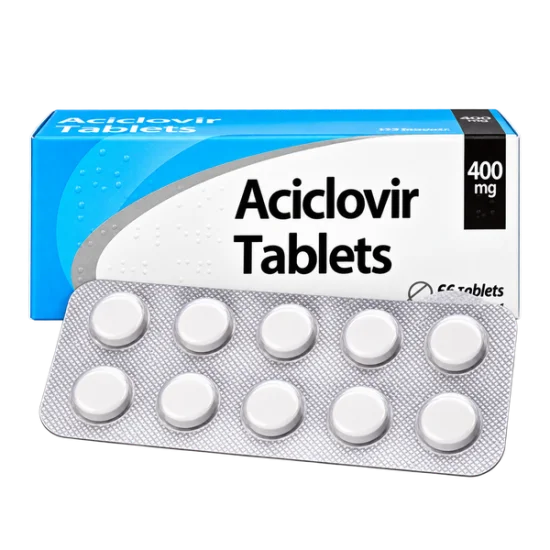
Aciclovir tablets are taken by mouth for herpes simplex virus and varicella-zoster virus infections. They interfere with viral DNA polymerase to reduce viral replication, and the regimen for the chosen strength should be confirmed with a healthcare professional before treatment begins.

About this product

Aciclovir is a synthetic nucleoside analogue and antiviral agent. It is converted inside infected cells into aciclovir triphosphate, the active form that interferes with herpesvirus DNA polymerase.

Pharmacological action

The medicine targets infected cells more strongly than healthy cells because viral thymidine kinase activates aciclovir during the first conversion step. Human cellular enzymes then complete the conversion to aciclovir triphosphate. The active metabolite competes with natural nucleotides and becomes incorporated into viral DNA, where it causes chain termination.

Aciclovir does not remove herpesviruses from the body. Herpes simplex virus and varicella-zoster virus can remain dormant in nerve tissue after the visible outbreak has settled. Treatment reduces viral multiplication during an episode and can shorten the period of active symptoms when started promptly.

Cellular uptake and viral inhibition

Aciclovir enters cells through normal cellular transport processes. Infected cells contain viral thymidine kinase, which gives the drug its first level of selectivity. The resulting active metabolite has a much higher affinity for viral DNA polymerase than for most human cellular DNA polymerases.

This prevents the virus from extending its DNA chain and reduces the production of new viral particles.[1]

What it contains

The product on this page contains aciclovir tablets for oral use. Aciclovir is also available in other pharmaceutical forms in clinical practice, including topical preparations and intravenous formulations, but those forms have different uses and dosing instructions.

Generic aciclovir tablets contain the same antiviral active ingredient as other authorised aciclovir tablet products when they have been assessed as pharmaceutically equivalent by the relevant regulatory system. Excipients, tablet appearance, and packaging can differ between products without changing the active antiviral mechanism.

The term acyclovir is also used in international medical literature for the same active substance. Aciclovir and acyclovir refer to the same antiviral compound in different spelling conventions.

Directions for use

Aciclovir tablets are swallowed with water. They may be taken with food or on an empty stomach. The appropriate regimen for the chosen strength is confirmed with a healthcare professional before treatment begins because the appropriate schedule depends on the infection being treated, recurrence pattern, immune status, and kidney function.

Practical administration points include:

  • Take each dose at the planned time.
  • Swallow the tablet with sufficient water.
  • Start treatment as soon as the prescribed plan allows after symptoms begin.
  • Continue for the full prescribed duration, even if the skin looks better sooner.
  • Do not double the next dose after a missed dose.
  • Keep genital lesions clean and dry.
  • Avoid sexual contact while genital sores or blisters are present.
  • Do not share towels, lip products, razors, or utensils during an active cold sore.

If a dose is missed, take it when remembered unless the next dose is due soon. In that situation, skip the missed dose and resume the normal schedule. Taking two doses together can increase adverse effects without restoring the missed antiviral exposure.

A recurring tingling sensation is often the earliest practical treatment signal. Keep the prescribed plan accessible and contact the prescribing service promptly when this symptom appears.

Aciclovir is eliminated mainly through the kidneys. Kidney function affects how quickly it leaves the body, so renal impairment, dehydration, and older age may require a clinician to adjust the regimen.

Drink fluids regularly during oral aciclovir treatment unless a clinician has given you a fluid restriction. Adequate hydration supports renal clearance and reduces the risk of crystal-related kidney injury.

Reasons not to use it

Aciclovir is not suitable for you if you have previously experienced a serious allergic reaction to aciclovir, valacyclovir, or an ingredient in the prescribed tablet.

Extra caution is needed in these situations:

  • Reduced kidney function or a history of kidney disease.
  • Advanced age with low fluid intake.
  • Dehydration from vomiting, diarrhoea, fever, or poor intake.
  • Pregnancy or breastfeeding.
  • A weakened immune system.
  • Neurological disease or a previous episode of medicine-related confusion.
  • Use of medicines that can affect kidney function.

Probenecid can reduce renal elimination of aciclovir and increase exposure. Cimetidine may also affect renal handling. Other potentially nephrotoxic medicines, including some immunosuppressants and certain antimicrobial agents, may increase kidney risk when combined with aciclovir.

The prescribing clinician should know about all medicines, supplements, and treatments being used. Kidney function monitoring may be appropriate for prolonged courses, high-risk patients, or people receiving other medicines that affect renal clearance.

When this is not for you

Talk to a healthcare professional before using these tablets if you have kidney problems, are older and do not drink much, or have recently been dehydrated from vomiting, diarrhoea, fever, or poor intake. You should also seek medical advice before treatment if you are pregnant or breastfeeding, have a weakened immune system, have experienced confusion with medicines before, or take treatments that may affect your kidneys.

Adverse reactions

Many people complete oral aciclovir without serious problems. Reported adverse effects include headache, nausea, vomiting, diarrhoea, abdominal discomfort, fatigue, and skin rash. Mild digestive symptoms may improve when tablets are taken with food, although food is not required for absorption.

Less common reactions include dizziness, confusion, tremor, hallucinations, or unusual drowsiness. These neurological symptoms are more concerning in older adults and people with reduced kidney function because aciclovir can accumulate.

Serious allergic reactions can involve swelling of the lips or face, breathing difficulty, widespread blistering rash, or collapse. These symptoms require emergency care. A severe skin reaction, unusual bruising, or a major reduction in urine output also needs urgent medical assessment.

One practical detail is easy to miss: confusion during treatment is not always part of the viral illness. In a person with kidney impairment, it can signal excessive aciclovir exposure.

If new confusion, marked sleepiness, tremor, or hallucinations develops after starting tablets, do not take extra doses while waiting for urgent medical advice. Renal clearance needs prompt review.

Another patient mistake is stopping treatment as soon as pain decreases. Symptoms can improve before viral replication has fully settled, especially during a first genital herpes episode.

Uses

Aciclovir tablets are used against herpes simplex virus and varicella-zoster virus infections. The treatment goal differs according to the infection, the severity of symptoms, the patient’s immune status, and whether the episode is a first outbreak or a recurrence.

Infection Clinical goal
Cold sores Reduce viral replication, discomfort, and the duration of an active lesion
Genital herpes Treat a first or recurrent episode and reduce the intensity of symptoms
Shingles Limit viral replication and support faster resolution of the rash and pain

Management of herpes simplex outbreaks

Cold sores usually begin with tingling, itching, tightness, or burning before blisters appear. Starting aciclovir during this prodromal phase gives the medicine the best opportunity to limit viral multiplication. Once a lesion has fully crusted, the benefit of starting an antiviral may be smaller.

Genital herpes can cause painful blisters, ulcers, burning during urination, and tender lymph nodes. A first episode can be more extensive than later recurrences. Aciclovir may be used for episodic treatment during an outbreak or for suppressive treatment when recurrences are frequent or disruptive.

Therapeutic application in varicella-zoster virus infections

Shingles is caused by reactivation of varicella-zoster virus. It typically produces a painful, one-sided rash that follows the path of a sensory nerve. Pain, sensitivity to touch, or a burning sensation may begin before the rash becomes visible.

Aciclovir treatment for shingles is most useful when started early, ideally within the first 72 hours after the rash begins. Medical assessment is needed sooner when the rash affects the eye, forehead, ear, or face, because these locations can threaten vision or hearing.

People with a weakened immune system may require urgent assessment even when the rash appears limited. Disseminated varicella-zoster infection can affect several organs and may require intravenous antiviral treatment rather than tablets.

Comparison

Valacyclovir is a prodrug that is rapidly converted into aciclovir after oral administration. Aciclovir tablets deliver aciclovir directly, while valacyclovir uses an additional conversion step to improve oral bioavailability. The choice depends on the infection, dosing schedule, kidney function, interactions, and clinical preference.

Feature Aciclovir Valacyclovir
Active antiviral after absorption Aciclovir triphosphate inside infected cells Converted to aciclovir, then activated inside infected cells
Oral bioavailability Lower Higher than oral aciclovir
Practical dosing pattern Often requires more frequent daily doses May allow less frequent dosing for some indications

Higher bioavailability does not mean that valacyclovir is suitable for every patient. Both medicines require renal dosing consideration, and both can cause neurological adverse effects when concentrations rise in significant kidney impairment.

Aciclovir remains a well-established option for herpes simplex and varicella-zoster infections. Valacyclovir may be selected when a less frequent dosing schedule could improve adherence. The choice should be based on the prescribed regimen rather than on tablet strength alone.

Common mistakes

Several patterns can reduce the benefit of treatment:

  • Waiting several days after symptoms start before beginning the prescribed course.
  • Taking doses irregularly because the rash temporarily looks better.
  • Doubling a dose after forgetting one.
  • Drinking too little during fever, vomiting, or hot weather.
  • Using leftover tablets for a new episode without confirming that the diagnosis and regimen are still appropriate.
  • Assuming that no visible lesion means no herpesvirus transmission is possible.
  • Sharing tablets with a partner or relative who has similar-looking symptoms.
  • Ignoring a painful rash near the eye, ear, or forehead.
  • Treating every genital ulcer as herpes without clinical assessment.
Keep a written record of the first symptom, the first dose, and any kidney-related symptoms. This helps the prescriber refine future episodic or suppressive treatment without relying on memory.

What doctors say

In clinical practice, physicians usually set expectations early: aciclovir controls viral replication during an active episode, but it does not eradicate latent herpesvirus from nerve tissue. The greatest benefit comes from starting at the first symptoms and following the prescribed schedule consistently.

A doctor also looks beyond the rash. For shingles, the location of the rash, the patient’s age, immune status, and pain severity influence urgency. For genital herpes, recurrence frequency and the effect on relationships or daily life help determine whether episodic or suppressive treatment is appropriate.

The EMA describes renal elimination as a central consideration for aciclovir dosing. WHO guidance on herpes simplex also supports early recognition, symptom management, and attention to transmission risk.[2]

A practical clinical observation is that adherence often fails because patients wait for visible blisters before acting. A treatment plan that identifies the person’s early warning symptoms can be easier to follow than one based only on the appearance of the rash.

Questions and answers

Can Aciclovir tablets be taken with food or on an empty stomach?

Aciclovir 400 mg tablets can be taken with food or on an empty stomach, and food does not prevent absorption. A light meal may reduce nausea for people who develop stomach discomfort. The EMA product information recognises oral administration with sufficient fluid as the practical approach for aciclovir treatment. Clinical advice published by NHS services in 2025 also supports taking oral aciclovir with water and maintaining regular hydration. The EMA product information is dated 2022.

Can Aciclovir be combined with kidney-affecting medicines or supplements?

Combination treatment requires attention to kidney function. Probenecid, cimetidine, and medicines that can stress the kidneys may alter aciclovir exposure or increase renal adverse effects. The FDA prescribing information from 2021 describes renal dosing and interaction considerations for oral acyclovir. Any supplement that affects fluid balance or kidney function should also be disclosed before treatment begins, especially in older adults.

Is alcohol allowed while using Aciclovir?

Alcohol has no established direct chemical interaction with aciclovir, but it can worsen dehydration, nausea, dizziness, and poor sleep during an active infection. The WHO herpes guidance from 2023 emphasises symptom management and adequate self-care during outbreaks. Avoiding alcohol is sensible when fever, vomiting, dizziness, severe pain, or reduced fluid intake is present.

What should be done after a missed Aciclovir dose?

Take the missed tablet when remembered unless the next planned dose is close. If the next dose is due soon, skip the missed one and continue the prescribed schedule; do not take two doses together. The EMA product information from 2022 uses this approach to reduce accidental overexposure. A repeated pattern of missed doses should be discussed with the prescriber because the schedule may need practical adjustment.

How soon can the effect of Aciclovir become noticeable?

Pain, tingling, or new lesions may begin to settle after several days, though the timing differs between cold sores, genital herpes, and shingles. Aciclovir works by suppressing viral DNA replication rather than producing immediate anaesthesia or instant disappearance of a lesion. The NHS guidance from 2025 describes early treatment as more useful during the first symptoms of an outbreak. Worsening symptoms, new neurological signs, eye involvement, or widespread rash require prompt medical assessment.

Can Aciclovir cause headache?

Headache is a recognised adverse effect of oral aciclovir and is often mild. The FDA label from 2021 also describes neurological reactions such as confusion, tremor, hallucinations, and drowsiness, with greater concern in people with renal impairment. Persistent or severe headache accompanied by confusion, reduced urine output, or marked sleepiness needs urgent medical review. Do not assume that every headache is caused by the medicine, since herpes infections and fever can also produce headache.

Do you offer anonymous delivery?

Your order will be securely packed and shipped within 24 hours. This is exactly what your package will look like (images of an actual item sent). It has the size and look of a regular private letter (24x11x0.7 cm) and its contents cannot be seen.

Sources

  1. FDA (2021). Acyclovir prescribing information.
  2. EMA (2022). Summary of Product Characteristics for aciclovir.

Aciclovir: What Customers Say

4.1
Based on 5 reviews
Hamza, 38 Abu Dhabi
Verified
Rating: 4.5 out of 5

I started when the tingling began. The blister was still there, but it was smaller and less uncomfortable than usual. I noticed mild nausea on the first day when I took a tablet without eating.

24 Oct 2026
Khalid, 69 Khor Fakkan
Verified
Rating: 3 out of 5

The pain had already started before treatment. The rash did not disappear immediately, and I needed patience during the first few days. I was careful with fluids and reported the pain because sleep was difficult.

1 Oct 2026
Suresh B., 64 Dibba Al-Fujairah
Verified
Rating: 4.5 out of 5

The episode settled faster than the previous one when I began treatment early. I still felt tired, and the dosing schedule was easy to miss during work, so I used reminders.

7 Oct 2026
Omar, 26 Jumeirah
Verified
Rating: 4 out of 5

The sore became less painful after a few days. I expected it to vanish after one tablet, which was unrealistic. Taking the course as prescribed worked better than stopping when the redness reduced.

14 Oct 2026
Yousef, 31 Dubai
Verified
Rating: 4.5 out of 5

I had a headache and stomach discomfort at first, but both were manageable. The tablets seemed more useful when I began at the first burning sensation rather than waiting for a blister.

28 Oct 2026
Get our free app Shop faster and track your orders Install