Skip to content
Abana
Active ingredient: Abana

Abana

Quality products
24/7 Support
Fast delivery
Delivery from 4 days
Select pack Package Per unit Price

Free delivery on orders from AED 796.00, free express delivery from AED 1,194.00

Secure Payments
Track your order
Best price guarantee

The botanical ingredients in Abana are intended to support lipid balance and cardiovascular function. Abana tablets are designed for adults seeking plant-based support for heart and brain health.

About this product

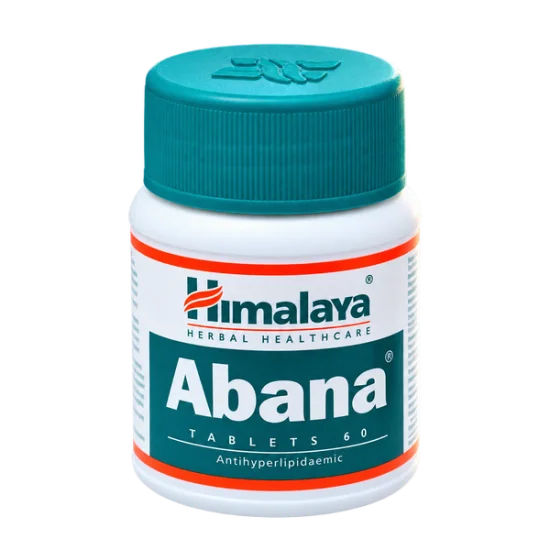
Abana is a botanical combination containing Arjuna and Indian Bdellium. It belongs to the antihyperlipidaemic supplement category and is intended to support lipid balance and cardiovascular function.

Pharmacological action

Abana’s antihyperlipidaemic positioning refers to botanical support for lipid metabolism. The proposed mechanisms of its herbal ingredients include antioxidant activity, modulation of lipid-processing pathways, and support for vascular function. These mechanisms remain less predictable than the established actions of prescription agents that directly inhibit cholesterol synthesis or reduce intestinal cholesterol absorption.

What it contains

Botanical ingredient Traditional pharmacological role Practical interpretation
Arjuna Cardiovascular and circulatory support Traditionally used in preparations for heart function and vascular wellness
Indian Bdellium Lipid and metabolic support Traditionally used in formulations intended to support healthy lipid handling

Arjuna is derived from Terminalia arjuna. Traditional preparations use the bark, which contains plant compounds such as tannins, triterpenoids, and other polyphenolic constituents. Laboratory and small clinical studies have explored effects related to antioxidant activity, vascular function, and cardiac performance. These findings do not establish that every Abana user will experience a measurable change in cholesterol or heart function. The quality of evidence therefore depends on the specific preparation studied.

Indian Bdellium is commonly associated with Commiphora mukul, a resin-producing plant used in Ayurvedic formulations. Guggulsterone compounds from this plant have been studied for possible effects on lipid metabolism. Results from clinical research have been inconsistent, and extract strength can affect the outcome.

Tell a clinician about Abana before a cholesterol blood test if you are using it regularly. The result may influence decisions about diet, monitoring, or prescribed lipid treatment, even when the supplement itself causes no obvious symptoms.

The formulation should be viewed as a botanical combination rather than as a single purified lipid-lowering compound. That distinction matters because the dose-response relationship, extract standardisation, and clinical evidence are not equivalent to those of prescription medicines.

Directions for use

Abana is taken as an oral tablet. Dosing differs between strengths and between users, so there is no single amount that suits everyone. The appropriate regimen depends on the product strength, the intended purpose, age, medical history, and other medicines or supplements being used.

Practical administration principles include:

  • Take the tablets by mouth with water.
  • Use the regimen selected for the specific strength and individual circumstances.
  • Taking the tablet with food may be more comfortable for people with a sensitive stomach.
  • Keep the daily schedule consistent.
  • If a dose is missed, take the next scheduled dose rather than doubling the amount.
  • Do not exceed the intended daily amount.
  • Do not crush a tablet unless a prescriber or pharmacist has confirmed that doing so is appropriate.

A supplement aimed at lipid support generally needs regular use over time. It is not intended for relief of sudden chest discomfort or acute circulation symptoms. Anyone already taking a prescribed statin, fibrate, ezetimibe, or other lipid treatment should avoid changing that treatment because of Abana.

If Abana causes stomach discomfort, taking it after a meal may help. Persistent nausea, abdominal pain, dark urine, or yellowing of the skin needs medical assessment rather than simple dose adjustment.

Reasons not to use it

  • Allergy to Arjuna, Indian Bdellium, or another ingredient in the formulation
  • Pregnancy or breastfeeding
  • A planned operation or recent surgery
  • Active liver disease or unexplained abnormal liver tests
  • Active kidney disease
  • A history of recurrent low blood pressure or fainting
  • Use of several medicines for cholesterol, blood pressure, diabetes, or clot prevention

Potential interaction concerns include anticoagulants such as warfarin, antiplatelet medicines such as aspirin or clopidogrel, blood-pressure medicines, diabetes medicines, and prescription lipid-lowering drugs. Combining several products that influence bleeding, blood pressure, or glucose can increase the need for monitoring.

The European Medicines Agency evaluates herbal substances through evidence and traditional-use frameworks, but herbal status does not remove the need to assess interactions and individual risk [2].

When this is not for you

Do not use Abana during pregnancy or breastfeeding, with active liver or kidney disease, after unexplained abnormal liver tests, or around planned surgery without specific clinical guidance. If you have diagnosed coronary artery disease, Abana must not replace prescribed treatment. Chest pain spreading to the arm or jaw, sudden shortness of breath, one-sided weakness, confusion, or fainting requires urgent medical care.

Adverse reactions

Abana may be tolerated without problems, but herbal products can still cause adverse effects. Possible reactions include:

  • Stomach discomfort
  • Nausea
  • Loose stools
  • Headache
  • Skin rash or itching
  • Sensitivity to one of the botanical ingredients

Allergic reactions can occur even with plant-based products. Stop using the tablets and seek urgent care for facial swelling, swelling of the lips or tongue, breathing difficulty, widespread hives, or collapse.

Digestive symptoms are often easier to manage when the tablet is taken with food and adequate water. Ongoing abdominal pain, repeated vomiting, or marked weakness requires assessment. These symptoms may indicate another illness or an interaction rather than a routine supplement effect.

A useful practical distinction: mild stomach upset after a tablet may improve with food, while swelling, wheezing, fainting, or a rapidly spreading rash is an emergency symptom.

Abana should not be treated as risk-free simply because its ingredients are botanical. Herbal compounds can affect drug metabolism, bleeding tendency, blood pressure, and blood glucose in susceptible people.

Uses

“Antihyperlipidaemic” means related to managing elevated blood lipids, including cholesterol and triglycerides. A supplement in this category does not replace prescribed lipid-lowering treatment when a clinician has diagnosed dyslipidaemia or cardiovascular disease. The practical role of Abana is supportive: it may form part of a broader plan that includes a balanced diet, physical activity, weight management, and appropriate medical care.

The product is associated with the following health categories:

  • Cardiovascular and heart health
  • Brain and circulation support
  • Herbal supplements
  • Plant Sterol-related wellness categories
  • Daily lipid-balance support
For lipid support, use Abana alongside regular meals built around vegetables, legumes, whole grains, nuts, and unsaturated fats. A supplement cannot offset a diet consistently high in saturated fat.

The term “heart health” covers several separate goals. Maintaining healthy blood lipids, supporting normal circulation, and managing blood pressure are related but different objectives. Abana should be assessed according to the specific health goal for which it is being considered.

The World Health Organization identifies raised blood pressure, abnormal blood lipids, diabetes, smoking, and physical inactivity as modifiable cardiovascular risk factors [1]. Abana may fit within a lifestyle-focused strategy for adults with modest wellness goals, but it should not be used to self-treat chest pain, severe hypercholesterolaemia, or known coronary artery disease.

The expected benefit is gradual rather than immediate. A person may notice no clear physical sensation when lipid levels change. Blood testing is the appropriate way to assess cholesterol and triglycerides, while symptoms such as chest pressure, breathlessness, or fainting require urgent medical assessment.

Comparison

Abana differs from prescription lipid treatment and from single-ingredient nutritional supplements. The choice depends on the clinical objective, laboratory results, risk level, and tolerance.

Approach Main mechanism or focus Typical role
Abana botanical combination Plant-based support for lipid metabolism and cardiovascular wellness Complementary support for adults with suitable health goals
Prescription lipid-lowering treatment Direct pharmacological reduction of atherogenic lipids Diagnosed dyslipidaemia or elevated cardiovascular risk
Fish oil containing DHA and EPA Omega-3 fatty acids influence triglyceride metabolism Selected triglyceride-support situations and dietary supplementation
Coenzyme Q10 Nutrient-like compound involved in cellular energy production Supplementary nutritional support, not a substitute for lipid treatment

A prescription option is preferred when laboratory results show a level that requires a proven reduction in cardiovascular risk. Abana may be considered as a supportive botanical product when the goal is general cardiovascular wellness and no contraindication applies.

Fish oil is not interchangeable with Abana. Products containing DHA and EPA have different ingredients and are mainly discussed in relation to triglycerides and dietary omega-3 intake. Coenzyme Q10 also has a different biological role and should not be described as a direct cholesterol-lowering substitute.

Common mistakes

Several habits can reduce the value or increase the risk of using a botanical lipid-support product:

  • Taking extra tablets after missing a dose
  • Stopping a prescribed statin without medical direction
  • Combining Abana with several other heart-health supplements
  • Assuming that a natural ingredient cannot interact with medicines
  • Using it for chest pain or breathlessness
  • Expecting a cholesterol change without follow-up testing
  • Continuing it despite rash, swelling, severe abdominal pain, or fainting
  • Taking it inconsistently and judging the product after only a few doses

One easily missed issue is the difference between symptom relief and risk reduction. High cholesterol often causes no symptoms, so feeling well does not prove that lipid levels are controlled.

Keep a simple list of every prescription medicine, over-the-counter product, vitamin, and herbal supplement used during the same period. This makes interaction assessment much more accurate than naming only the medicines taken every day.

Alcohol deserves restraint. Alcohol can raise triglycerides, worsen blood pressure control, and aggravate nausea or stomach irritation. The National Institutes of Health describes alcohol as a factor that can affect triglyceride levels and cardiovascular risk, so heavy drinking works against the purpose of lipid support [4].

What doctors say

In clinical practice, the first question is usually the reason for taking a lipid-support product. A person with mildly unfavourable cholesterol results and no major cardiovascular risk factors may have a different plan from someone with diabetes, previous stroke, coronary disease, or a strong family history of early heart disease.

A doctor would also ask which medicines are already being taken. The combination of Abana with a prescribed statin or anticoagulant may require a more careful review than use in an otherwise healthy adult. The same applies to people using several herbal supplements at once.

The realistic expectation is supportive, gradual use. There is no reliable reason to expect a same-day reduction in cholesterol or an immediate improvement in circulation. Clinical decisions should be based on symptoms, risk assessment, and laboratory results.

The American College of Cardiology and American Heart Association guidelines place proven lipid-lowering therapy and risk reduction at the centre of cardiovascular prevention [3]. Abana can sit alongside lifestyle measures only when it does not displace those priorities.

Questions and answers

Which concrete condition rules out Abana?

A known allergy to Arjuna, Indian Bdellium, or another formulation ingredient rules out use. Pregnancy, breastfeeding, active liver disease, and planned surgery also require avoidance or specific clinical review. WHO cardiovascular guidance published in 2023 supports individual risk assessment before adding products for cardiovascular goals. A history of coronary disease or stroke also means Abana must not replace prescribed prevention.

How soon might an effect become noticeable?

Abana is not expected to produce an immediate sensation because lipid support is assessed through blood results rather than rapid symptom relief. Digestive tolerance can be noticed within the first few days, while any change in lipid measurements would require consistent use and appropriate testing. The National Institutes of Health, in guidance published in 2023, explains that cardiovascular risk markers should be interpreted through clinical measurements rather than subjective feelings. No exact response time can be promised for an individual user.

What happens after stopping Abana, and is tapering needed?

A botanical tablet used for lipid support does not generally require tapering in the way some medicines affecting the nervous system may require it. Stopping may remove any supportive effect it was providing, while cholesterol and triglyceride levels will continue to reflect diet, genetics, medical conditions, and other treatments. EMA principles published in 2023 distinguish traditional-use products from treatments that require withdrawal schedules. Do not stop prescribed lipid treatment when stopping Abana.

How does Abana differ from prescription lipid treatment?

Abana is a botanical combination associated with Arjuna and Indian Bdellium, while prescription lipid treatments use defined pharmacological mechanisms and established dosing protocols. Statins, for example, reduce cholesterol synthesis through inhibition of HMG-CoA reductase and have outcome evidence for cardiovascular risk reduction. NICE guidance published in 2023 places prescribed lipid-lowering therapy within formal cardiovascular-risk management. The two approaches should not be treated as interchangeable.

Can alcohol be used while taking Abana?

Heavy alcohol intake is unsuitable for a lipid-support plan because it can increase triglycerides, worsen blood pressure, and cause stomach irritation. Alcohol may also make it harder to identify whether nausea or dizziness comes from Abana or from drinking. WHO alcohol guidance published in 2023 describes cardiovascular and metabolic harms associated with higher alcohol exposure. Keep alcohol intake low and avoid it if it causes symptoms or conflicts with another medicine.

Which symptoms mean stopping Abana and seeking urgent care?

Stop using the tablets and seek urgent help for facial or throat swelling, breathing difficulty, widespread hives, fainting, severe chest pressure, sudden weakness, or confusion. Yellow skin, very dark urine, persistent vomiting, or severe abdominal pain also needs prompt medical assessment. MOHAP safety principles published in 2024 support urgent evaluation when severe allergic, cardiovascular, or liver-related symptoms appear. Do not restart the product until the cause has been assessed.

Do you offer anonymous delivery?

Your order will be securely packed and shipped within 24 hours. This is exactly what your package will look like (images of an actual item sent). It has the size and look of a regular private letter (24x11x0.7 cm) and its contents cannot be seen.

Cardiovascular and brain-health context

Healthy circulation supports the delivery of oxygen and nutrients to body tissues, including the brain. This does not mean that Abana treats dementia, stroke, heart failure, or any neurological disorder. The Brain & Heart Health category is a wellness classification, not a diagnosis.

The strongest practical benefit may come from combining a botanical supplement with measures that have established cardiovascular value:

  • Regular aerobic and resistance exercise
  • Reduced intake of trans fats and excess saturated fat
  • Adequate dietary fibre
  • Smoking cessation
  • Blood pressure monitoring
  • Management of diabetes and sleep disorders
  • Follow-up lipid testing when clinically indicated
Do not judge lipid support by how you feel after one or two doses. Cholesterol changes are usually assessed through laboratory testing rather than through a noticeable day-to-day sensation.

Sources

  1. World Health Organization (2023). Cardiovascular diseases fact sheet.
  2. European Medicines Agency (2023). Herbal medicinal products: overview and regulatory information.
  3. American College of Cardiology and American Heart Association (2018). 2018 Guideline on the Management of Blood Cholesterol.
  4. National Institutes of Health, Office of Dietary Supplements (2023). Omega-3 Fatty Acids Fact Sheet for Health Professionals.

Abana: What Customers Say

3.4
Based on 5 reviews
Imran F., 57 Liwa About six weeks
Verified
Rating: 3 out of 5

I used the tablets with breakfast for about six weeks. I did not feel a sudden change, but my stomach was comfortable and keeping the routine was easy. I still needed my usual blood test to know whether anything had changed.

20 Oct 2026
Karim, 58 Dibba Al-Fujairah First few days
Verified
Rating: 3.5 out of 5

After the first few days I noticed mild nausea when I took a tablet before eating. Taking it after breakfast solved that problem. I had expected a faster result, so the gradual nature was disappointing.

1 Oct 2026
Yousef, 63 Al Ain Several weeks
Verified
Rating: 3 out of 5

I used Abana as part of a diet and walking routine. After several weeks, I felt more organised about my heart-health habits, although I could not attribute my laboratory results to one product alone.

30 Oct 2026
Mark, 48 Al Majaz First month
Verified
Rating: 4 out of 5

The tablets were convenient to take, and I had no obvious side effects during the first month. I stopped temporarily before a planned procedure after discussing supplements with my clinician.

11 Oct 2026
Omar, 47 Abu Dhabi
Verified
Rating: 3.5 out of 5

I missed doses during a busy work period and noticed that the routine became inconsistent. I did not double the next dose. My main lesson was that a supplement cannot replace checking cholesterol and reviewing the wider treatment plan.

14 Oct 2026
Get our free app Shop faster and track your orders Install